Canada Politics October
Introduction
Canada’s political landscape in October 2026 is being shaped by major developments at the federal, provincial and municipal levels. Key issues include affordability, housing, economic growth, trade, infrastructure, healthcare, immigration, public services, Indigenous relations and national security. At the federal level, the government is focusing on economic resilience, major infrastructure projects, housing supply, trade diversification and stronger domestic supply chains, while Parliament continues to debate important legislation.
Provincial and municipal politics are also playing an important role in shaping everyday life across Canada. Healthcare, housing, education, infrastructure, public spending, transportation, property taxes and homelessness remain major concerns for governments and communities. Meanwhile, October 2026 includes several significant elections and local votes, including Quebec’s provincial election, British Columbia’s provincial and local elections, and Ontario’s municipal elections.
Beyond domestic politics, Canada’s international agenda is increasingly connected to trade diversification, Arctic security, NATO, national defence and relationships with Europe and the Indo-Pacific. Indigenous affairs, major resource projects, reconciliation and Indigenous economic participation are also important parts of the political discussion. This guide explains the major political developments and policy issues shaping Canada in October 2026, helping readers understand how decisions at different levels of government can affect the economy, communities and everyday life.
Federal Politics
What are the major developments in Canada’s federal politics in October 2026?
Canada’s federal political agenda is being shaped by economic growth, affordability, housing, trade, infrastructure and national security. The government is also emphasizing stronger economic links with countries outside the United States and faster development of major national projects. Parliament’s fall sitting includes debate over legislation intended to accelerate major-project approvals and strengthen transportation and trade infrastructure. Immigration levels and labour-market needs also remain important federal policy issues.

What are the current priorities of Canada’s federal government?
The federal government’s stated priorities include building a stronger Canadian economy, reducing barriers between provinces, improving housing affordability, strengthening infrastructure and supporting national security. It is also focused on trade diversification and Canada’s relationship with the United States. Major projects, energy infrastructure and domestic supply chains have become increasingly prominent parts of the government’s economic agenda.
. What major issues are the Prime Minister and federal Cabinet focusing on?
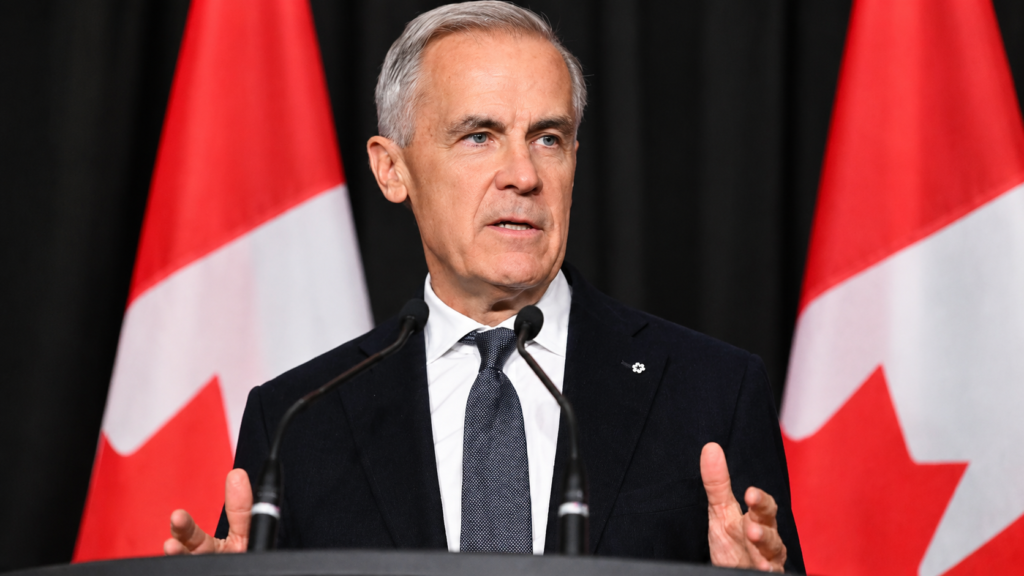
Prime Minister Mark Carney and Cabinet are dealing with affordability, economic growth, trade uncertainty, housing supply, infrastructure and defence. The government is also emphasizing Canada’s Arctic interests, energy development and relationships with international allies. Major-project legislation and the development of new export markets are important components of the current agenda
How is the federal government addressing housing and affordability?
Federal housing policy is focused heavily on increasing supply, speeding up construction and supporting affordable and rental housing. Housing, Infrastructure and Communities Canada identifies increasing housing supply, reducing homelessness and creating complete, transit-oriented communities among its 2026 27 priorities. The government is also using federal housing programs and cooperation with provinces and municipalities to increase construction.
How is immigration affecting the federal political agenda?
Immigration remains connected to housing, labour supply, population growth, infrastructure and public services. Canada has adjusted immigration and temporary-resident policies as the federal government seeks to manage population growth and pressure on housing and services. The debate therefore includes both economic immigration needs and questions about the capacity of communities to accommodate newcomers.
How important is the economy in Canada’s federal politics?
The economy is one of the central federal political issues in 2026. Trade uncertainty, tariffs, productivity, investment, jobs, infrastructure and economic diversification are all connected to the government’s agenda. Ottawa is also promoting a more integrated Canadian economy by reducing barriers to interprovincial trade and encouraging major projects that can strengthen domestic supply chains.
What major developments are occurring in federal-provincial relations?
Federal-provincial relations are being shaped by housing, health-care funding, infrastructure, energy development, trade and jurisdictional questions. Provinces continue to seek federal funding and greater flexibility in areas under provincial responsibility. At the same time, Ottawa is seeking provincial cooperation on national housing, infrastructure, labour mobility and major economic projects.
What are the most important federal political issues in October 2026?
The major issues include affordability, housing supply, economic growth, trade relations with the United States, diversification of exports, immigration, infrastructure and national security. Major-project approvals have become particularly prominent following the introduction of the Building Canada Strong Act. Parliament is also dealing with legislation involving transportation, labour relations and Indigenous water rights.
Provincial Politics
What are the major developments in Canadian provincial politics in October 2026?
Provincial politics is particularly active because British Columbia is holding a provincial election on October 24, while Quebec’s provincial election is taking place on October 5. Ontario is also preparing for municipal elections on October 26, while B.C. has local elections on October 17. Across the provinces, healthcare, housing, affordability, infrastructure, trade and public spending remain major political issues.
What issues are important in Alberta’s provincial politics?
Alberta’s political agenda includes healthcare capacity, education, economic growth, infrastructure, energy development and relations with Ottawa. Budget 2026 emphasizes healthcare, education, infrastructure, skilled workers and economic investment. Trade uncertainty and energy markets are also important because Alberta’s economy remains closely connected to resource exports.
What are the current political priorities of the Ontario government?
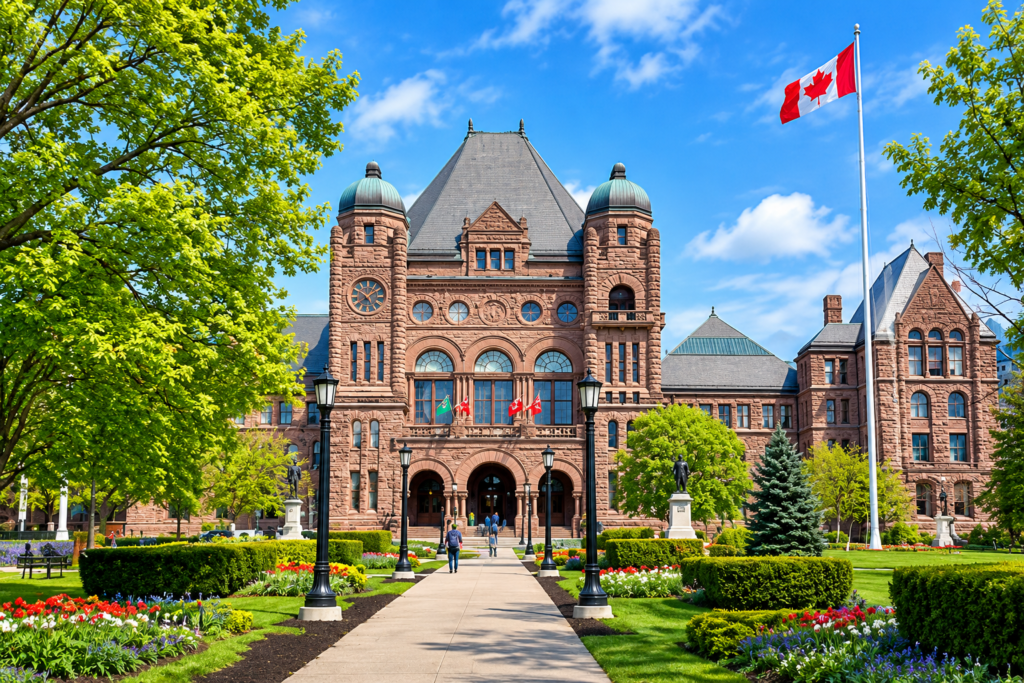
Ontario’s 2026 agenda emphasizes economic competitiveness, infrastructure, healthcare, education, housing and protection against trade-related economic uncertainty. The provincial budget includes investments in hospitals, primary care, long-term care and supportive housing. Ontario is also focusing on transportation infrastructure, manufacturing, critical minerals and measures intended to support businesses and workers.
What are the major political issues in British Columbia and Quebec?
British Columbia’s political debate includes healthcare, housing, affordability, economic growth, infrastructure and the province’s response to trade uncertainty. B.C. is also holding a provincial election on October 24. Quebec’s October 5 election is taking place amid debates involving the cost of living, healthcare, economic development, infrastructure, housing, language and Quebec’s national identity.
How are provincial governments addressing healthcare and housing?
Provinces have primary responsibility for healthcare delivery and play a major role in housing policy through planning, regulation and funding. Alberta’s 2026 budget emphasizes healthcare capacity, while Ontario is investing heavily in hospitals, primary care and supportive housing. British Columbia continues to prioritize healthcare and housing, while Quebec’s budget includes measures for affordable housing, homelessness and public services.
What are the major disagreements between federal and provincial governments?
Disagreements can involve healthcare funding, housing responsibilities, immigration, infrastructure, taxation, energy projects and the division of constitutional powers. Provinces often seek greater federal funding without additional conditions, while Ottawa may link federal support to national objectives. Energy and major-project development can also produce disagreements because projects may involve federal, provincial and Indigenous jurisdictions simultaneously.
How do provincial budgets affect political debates about spending?
Provincial budgets determine how governments allocate money among healthcare, education, infrastructure, social programs and economic development. They also establish tax policies, borrowing requirements and capital spending plans. In 2026, provincial governments are balancing pressure to expand public services with concerns about deficits, debt, inflation and economic uncertainty.
How do political priorities differ across Canada’s provinces?
Priorities vary according to economic structure, population growth and regional circumstances. Alberta places significant emphasis on energy, economic investment and healthcare capacity, while Ontario focuses heavily on manufacturing, infrastructure, healthcare and economic competitiveness. British Columbia emphasizes housing, healthcare and fiscal management, while Quebec places additional political emphasis on language, identity, culture and provincial autonomy.
Municipal & Local Politics
What are the major issues in Canadian city politics in October 2026?
Municipal governments are dealing with housing affordability, homelessness, transit, infrastructure, property taxes, public safety and population growth. Cities are also under pressure to expand water, roads, public transportation and community services while managing limited local revenue. Cooperation with provincial and federal governments is therefore increasingly important.
What issues are important in Toronto’s municipal politics?
Toronto’s major issues include housing, homelessness, transit, infrastructure, affordability and property taxes. The city’s 2026 budget emphasizes affordability, mobility, community safety and maintaining services. Toronto’s long-term capital plan also places substantial funding toward housing, transit, water and aging infrastructure.
What are the major local political debates in Vancouver, Calgary, Edmonton and Montreal?
Vancouver continues to face housing affordability, homelessness, transit and infrastructure pressures. Calgary’s local agenda includes population growth, transportation, housing, infrastructure and municipal finances. Edmonton is dealing with housing, transit, infrastructure and community growth. Montreal’s local debates include housing, homelessness, public transit, infrastructure, taxation and urban development.
How are Canadian municipalities addressing housing affordability?
Municipalities influence housing through zoning, development approvals, property regulations, infrastructure and partnerships with other governments. Cities are increasingly encouraging higher-density housing, rental development and housing near transit. Federal and provincial programs can provide additional funding for affordable housing and infrastructure.
How do property taxes and municipal budgets affect local politics?
Property taxes are one of the most visible sources of municipal revenue and directly affect homeowners and businesses. Municipal councils must balance tax increases against the cost of maintaining roads, transit, parks, policing, housing programs and other services. This creates regular political debates about service levels, taxation and long-term infrastructure needs.
Why are public transit and infrastructure major municipal priorities?
Growing populations require reliable transportation, roads, water systems, public buildings and other infrastructure. Transit can also influence housing development by making higher-density communities more practical. Municipalities often depend on provincial and federal funding because many large infrastructure projects are too expensive to finance entirely through local revenues.
How important are homelessness and affordable housing in municipal politics?
Homelessness and housing affordability have become major local political issues in many Canadian cities. Municipalities operate or fund shelters, supportive housing, homelessness programs and local housing initiatives. However, housing costs are also affected by provincial planning rules, interest rates, construction costs and broader economic conditions.
How does federal and provincial funding affect municipalities?
Federal and provincial transfers can provide municipalities with funding for transit, housing, infrastructure, climate adaptation and community programs. These agreements can allow cities to undertake projects that would otherwise require substantial local borrowing or taxation. The availability and conditions of outside funding therefore have a significant effect on municipal planning.
Elections & Voting
What important elections or votes are taking place in Canada in October 2026?
October 2026 contains several important elections. Quebec’s provincial election is scheduled for October 5, British Columbia’s provincial election is scheduled for October 24, B.C.’s general local elections are scheduled for October 17, and Ontario’s municipal elections are scheduled for October 26. There is no scheduled Canadian federal general election in October 2026; the next fixed federal election date is October 15, 2029, although Canadian law allows an earlier election.
What is the difference between federal, provincial and municipal elections?
Federal elections elect Members of Parliament to the House of Commons and determine the composition of Canada’s federal government. Provincial elections elect representatives to provincial legislatures and determine provincial governments. Municipal elections elect local officials such as mayors and councillors who oversee municipal services and local government.
How does voter registration work in Canada?
Voter registration depends on the level of government conducting the election. For federal elections, Elections Canada maintains the federal Register of Electors and eligible voters can also register when they vote. Provincial and municipal elections generally use their own electoral authorities and registration systems.
What are the eligibility requirements for voting in federal elections?
For a federal election, a person must be a Canadian citizen and at least 18 years old on election day. Voters must also establish their identity and address. Elections Canada provides several identification options, including government-issued identification, combinations of accepted documents or, in certain circumstances, having another elector vouch for them.
What is the role of Elections Canada?
Elections Canada is the independent, non-partisan agency responsible for administering federal elections and referendums. It maintains electoral information, administers voting, supports election workers, provides voter information and oversees federal electoral processes. It also administers political financing and campaign-related requirements under federal electoral law.
How do advance voting and election-day voting work?
Federal voters can vote on election day at their assigned polling station or use advance polling. They can also vote early at an Elections Canada office or use a special ballot, including voting by mail. Advance polls are generally held on the Friday through Monday before election day.
What are the election rules for political parties and candidates?
Federal political parties and candidates operate under the Canada Elections Act and related Elections Canada rules. These rules cover candidate registration, campaign financing, contribution limits, spending limits, advertising and financial reporting. Provincial and municipal campaigns are governed by separate legislation and electoral authorities.
How does Canada’s voting system work?
Canada uses first-past-the-post for federal elections. Each electoral district elects one Member of Parliament, and the candidate receiving the most votes in that riding wins the seat. The federal government is formed based on which party or group can command the confidence of the House of Commons.
Parliament Updates
What are the major developments in Canada’s Parliament in October 2026?
Parliament’s fall agenda includes economic legislation, infrastructure, major projects, transportation, labour relations and Indigenous issues. Bill C-39, the Building Canada Strong Act, is one of the major government bills under debate. Bill C-37, the proposed First Nations Clean Water Act, is another significant legislative file.
Which important bills are being discussed in the House of Commons?
Bill C-39 proposes changes intended to accelerate federal review and approval of major projects, strengthen transportation and trade corridors and make changes to federal labour rules. Bill C-37 deals with safe drinking water, wastewater and water governance on First Nations lands. Other legislation remains active across public safety, healthcare and economic policy.
What major legislative issues are being considered in the Senate?
The Senate continues reviewing legislation that has passed through the House of Commons, alongside bills originating in the Senate. Major areas of parliamentary work include economic legislation, public policy, Indigenous issues, healthcare, public safety and regulatory matters. The precise Senate agenda changes as bills move through different stages.
What are the current government priorities in Parliament?
The government’s parliamentary agenda reflects its broader priorities: economic growth, housing, infrastructure, trade diversification, major projects, national security and public services. Bill C-39 is particularly connected to the government’s objective of speeding up major infrastructure and resource projects.
What major issues are being raised during Question Period?
Question Period commonly focuses on government spending, affordability, housing, immigration, trade, healthcare, public safety and major projects. Opposition MPs use Question Period to question ministers about government decisions and implementation, while ministers respond on behalf of the government.
What topics are parliamentary committees working on?
Parliamentary committees examine legislation, government programs, spending and policy issues in greater detail than is normally possible in the chamber. In the current parliamentary session, committee work includes economic policy, housing, Indigenous affairs, public safety, national defence, healthcare and other government programs.
What roles do MPs and senators play in Canadian lawmaking?
Members of Parliament debate and vote on legislation in the House of Commons and represent constituents. Senators review legislation in the Senate and can propose amendments before bills become law. Both chambers use committees to examine bills, hear witnesses and study government policies.
What is important in Parliament’s October 2026 schedule?
The fall sitting includes continued debate on major government legislation and committee work. Bill C-39 is a central economic and infrastructure file, while Bill C-37 concerns First Nations water rights and services. Parliamentary debates and committee hearings will also cover government spending, public policy and opposition scrutiny.
Political Parties
What are the current priorities of Canada’s major political parties in October 2026?
The major federal parties have different policy priorities. The Liberal government emphasizes economic growth, housing, infrastructure, trade diversification and national security. Conservatives emphasize affordability, immigration reform, economic competitiveness, resource development and public safety. The NDP emphasizes healthcare, housing, affordability, workers and public services, while the Bloc Québécois focuses on Quebec interests and the Green Party emphasizes environmental policy and scrutiny of major projects.
What are the Liberal Party of Canada’s major policy priorities?
The Liberal government’s current agenda emphasizes building a stronger Canadian economy, increasing housing supply, improving infrastructure, strengthening trade relationships and supporting national security. The party’s earlier Canada Strong platform also included housing construction, skilled-trades measures, economic investment and immigration-system improvements.
What issues is the Conservative Party of Canada focusing on?
The Conservative Party’s stated priorities include affordability, housing, immigration, public safety, taxation, economic competitiveness, resource development and energy infrastructure. The party has also emphasized tariff-free trade with the United States and changes to immigration policy. These are positions advanced by the Conservative Party and should be distinguished from the government’s current policies.
What are the current political priorities of the New Democratic Party?
The NDP emphasizes public healthcare, affordable housing, workers, lower household costs, social programs and economic independence. Its published housing proposals include building three million homes by 2030, stronger tenant protections and a permanent national housing strategy. The party also emphasizes renewable energy, infrastructure and reconciliation.
What issues does the Bloc Québécois focus on in federal politics?
The Bloc Québécois focuses specifically on Quebec’s interests within the federal Parliament. Its current priorities include Quebec’s economy, purchasing power, French language and culture, climate policy, immigration, resource development and relations with the United States and Europe. The party also advocates greater Quebec autonomy and ultimately Quebec sovereignty.
. What are the Green Party of Canada’s major policy priorities?
The Green Party emphasizes climate policy, environmental protection, democratic accountability and sustainable economic development. In the fall of 2026, Green Party leader Elizabeth May has raised questions about independent scrutiny of major infrastructure projects, including the proposed Pacific Link/West Coast Oil Pipeline. The party also continues to emphasize stronger environmental assessment and climate action.
What positions do Canadian federal parties take on housing, immigration and the economy?
The parties differ in how they approach these issues. The Liberals emphasize housing construction, economic investment and managed immigration. Conservatives emphasize affordability, changes to immigration policy, taxation and resource development. The NDP emphasizes non-market and affordable housing, stronger tenant protections and public investment, while the Bloc approaches federal policy primarily through Quebec’s interests and jurisdiction.
What are the major policy differences among Canada’s federal parties?
The clearest differences involve the role of government in housing and social programs, immigration levels and administration, taxation, resource development, environmental policy and federal-provincial relations. Parties also differ over how much government should intervene in markets and how Canada should respond to trade and economic uncertainty. These differences are reflected in their published platforms and parliamentary positions.
Indigenous Affairs
What are the major Indigenous-affairs developments in Canada in October 2026?
Major issues include First Nations water infrastructure, Indigenous economic participation, self-government, reconciliation and participation in major natural-resource projects. A major October development is the federal listing of the West Coast Oil Pipeline, now also referred to as Pacific Link, as a project of national interest. The project includes a commitment to offer Indigenous communities at least 10% ownership interest.
What are the current issues in relations between the federal government and First Nations?
Key issues include treaty and Aboriginal rights, self-government, funding, housing, infrastructure, clean water, economic participation and implementation of the United Nations Declaration on the Rights of Indigenous Peoples. Relations also involve consultation and consent when federal decisions affect Indigenous lands, territories and resources.
What major federal issues concern Inuit and Métis communities?
Federal policy concerning Inuit and Métis Peoples includes self-government, economic development, housing, infrastructure, climate adaptation, northern development and implementation of Indigenous rights. Inuit priorities are particularly connected to Arctic infrastructure, food security, transportation and climate change. Métis governments continue to negotiate and implement agreements concerning governance and jurisdiction.
How do Indigenous rights and self-government work in Canada?
Section 35 of the Constitution Act, 1982 recognizes and affirms existing Aboriginal and treaty rights. Indigenous self-government can be implemented through treaties, self-government agreements and other arrangements with Canada. The federal government’s stated principles recognize Indigenous self-government as part of Canada’s evolving system of cooperative federalism.
What role does reconciliation play in Canada’s current politics?
Reconciliation remains a long-term political and legal process involving Indigenous rights, treaties, residential-school legacy, self-government, economic participation, language and community services. Canada’s implementation of the UN Declaration on the Rights of Indigenous Peoples is an important part of this work. The federal government has an action plan containing measures developed with Indigenous Peoples.
What issues arise between Indigenous communities and natural-resource projects?
Resource projects can involve questions about land rights, environmental protection, consultation, consent, economic participation and jurisdiction. The federal government increasingly promotes Indigenous equity participation in major projects. For Pacific Link, the federal government has committed to an Indigenous ownership opportunity of at least 10%, supported by Indigenous loan-guarantee mechanisms.
What initiatives support Indigenous economic development?
The federal Indigenous Loan Guarantee Program supports Indigenous groups seeking equity participation in major economic projects. The program’s guarantee capacity was increased to $10 billion and expanded beyond traditional energy and natural-resource projects. Indigenous participation can include ownership, employment, procurement, training and infrastructure partnerships.
What are the major housing, infrastructure and essential-service issues facing Indigenous communities?
Housing shortages, water infrastructure, wastewater systems, roads, broadband, health facilities and community infrastructure remain important issues. First Nations water access has improved, but long-term drinking-water advisories remain in some communities. In June 2026, the federal government introduced Bill C-37 and announced an additional $4.6 billion targeted commitment for First Nations water and wastewater infrastructure.
Foreign Policy
What are Canada’s foreign-policy priorities in October 2026?
Canada’s foreign policy is focused on economic diversification, national security, Arctic security, NATO, international trade and stronger relationships with trusted partners. The government is also emphasizing Europe and the Indo-Pacific while maintaining a major bilateral relationship with the United States. Support for Ukraine and Canada’s role in international institutions remain important components.
What major issues are shaping Canada’s diplomatic relations?
Canada’s diplomatic relations are being shaped by trade uncertainty, security concerns, Arctic geopolitics, supply chains, energy markets and changing international alliances. Ottawa is seeking stronger partnerships with Europe, Indo-Pacific countries and other markets while continuing to manage its relationship with the United States.
What are the major developments in Canada’s international trade policy?
Canada is pursuing greater export diversification to reduce dependence on the U.S. market. The government is working to expand trade with Europe, the Indo-Pacific, the Gulf, Latin America and other regions. Critical minerals, energy, agriculture, technology and advanced manufacturing are important areas for international economic cooperation.
What are Canada’s national-security and defence priorities?
Canada’s priorities include continental defence, Arctic security, NATO commitments, cybersecurity, critical infrastructure and cooperation with international allies. Modernization of NORAD and Canada’s broader defence investments are important components. The government is also strengthening security cooperation with European and Indo-Pacific partners.
What role does Canada play in NATO?
Canada is a founding NATO member and participates in collective defence, military operations, exercises and alliance planning. Arctic and North Atlantic security are increasingly important to Canada’s NATO role. Canada also continues to support NATO’s response to Russia’s war against Ukraine.
What major issues is Canada focusing on at the United Nations?
Canada uses the United Nations to address international security, humanitarian issues, peace and diplomacy, sustainable development and global governance. Canada’s current foreign-policy agenda also emphasizes support for Ukraine, humanitarian assistance and cooperation on international security challenges.
How do Canada’s international partnerships affect the Canadian economy?
International partnerships can expand export markets, attract investment, strengthen supply chains and create opportunities for Canadian companies. Trade diversification is particularly important for Canada because the United States remains its largest trading partner. Partnerships in Europe and the Indo-Pacific are therefore being developed alongside the continuing Canada-U.S. economic relationship.
How does Canada balance trade, security and diplomacy in its foreign policy?
Canada increasingly treats economic and national security as interconnected. Trade diversification can reduce supply-chain vulnerabilities, while defence partnerships help protect Canadian interests and infrastructure. At the same time, Canada continues diplomatic engagement through NATO, the United Nations, bilateral relationships and regional partnerships.
Final Verdict
Canada’s political landscape in October 2026 reflects a wide range of interconnected challenges and priorities across federal, provincial and municipal governments. Affordability, housing, economic growth, healthcare, infrastructure, immigration, public services and national security remain central issues affecting communities across the country.
At the federal level, economic resilience, major projects, trade diversification and infrastructure are prominent priorities, while provinces and municipalities continue to address healthcare, housing, transportation, public spending and local infrastructure. Indigenous relations, reconciliation and participation in major economic projects also remain important parts of the national political discussion.
October 2026 is particularly significant because of the active election calendar, with provincial and municipal elections taking place in several parts of Canada. Internationally, Canada is balancing its relationship with the United States with efforts to strengthen economic and strategic partnerships with Europe and the Indo-Pacific. Overall, understanding these developments provides a clearer picture of the policy issues and government decisions shaping Canada in October 2026.
Table of Contents

Leave a Reply