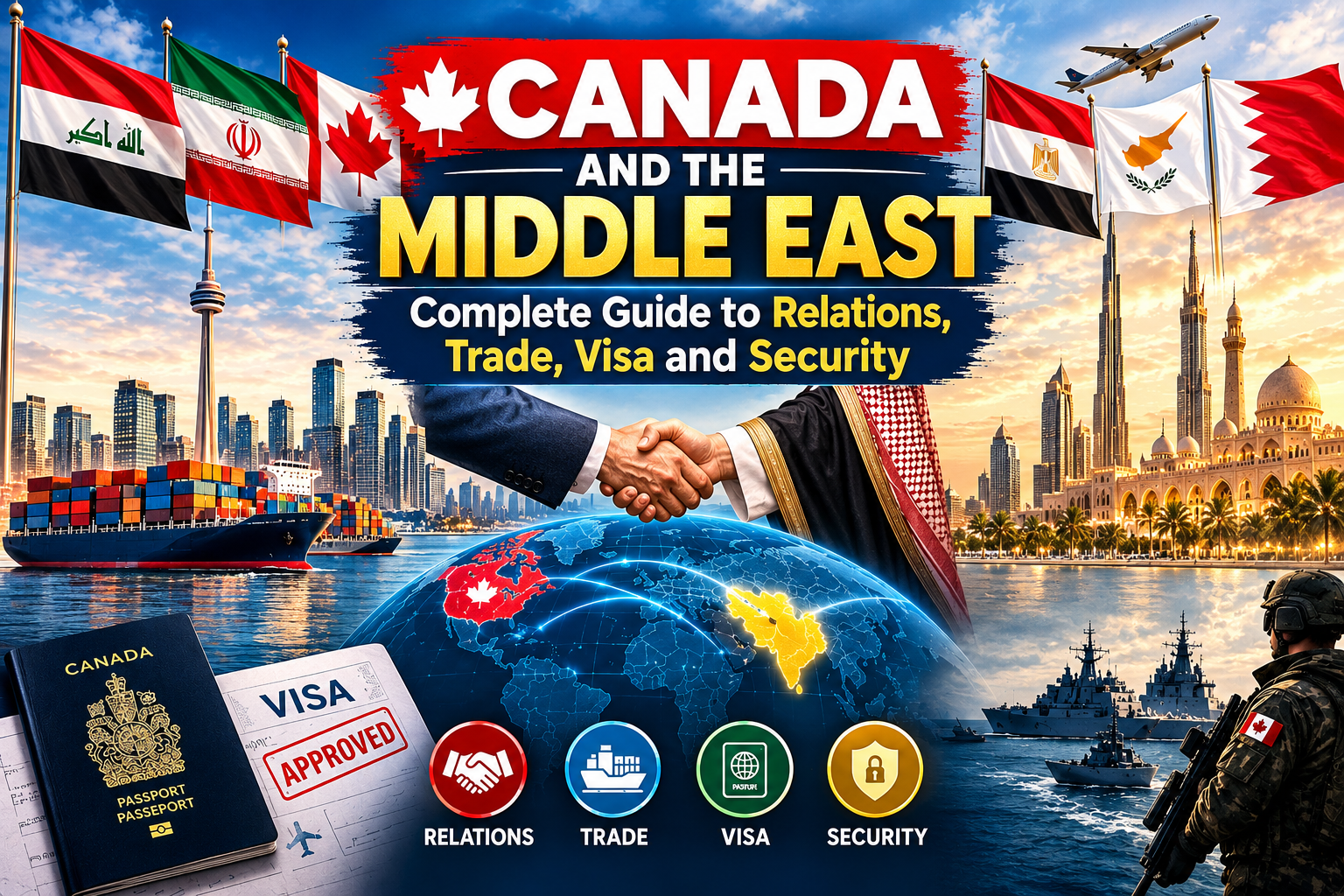
Canada and the Middle East
Introduction
Canada and the Middle East have developed important connections through diplomacy, trade, security, education, immigration, tourism, and cultural exchange. Canada, a multicultural and economically developed country in North America, maintains different levels of cooperation with countries across the Middle East and the wider region.
The Middle East is one of the world most strategically important regions because of its history, energy resources, trade routes, security importance, cultural diversity, and geopolitical influence. Canada relationship with the region is therefore shaped not only by economic interests but also by peacekeeping, humanitarian assistance, international security, and people-to-people connections.
This article provides a detailed overview of Canada relations with Bahrain, Cyprus, Egypt, Iran, Iraq, and other important regional connections. It examines diplomatic history, political relations, trade and investment, defense and security cooperation, education, tourism, immigration, and people to people links.
The article also explains visa and travel requirements, including how citizens of selected Middle Eastern countries can apply to visit Canada and how Canadian citizens can travel to countries in the region. These travel connections are an important part of the wider relationship between Canada and the Middle East.
While relations differ from country to country, Canada continues to engage with the region through economic partnerships, diplomatic dialogue, security cooperation, humanitarian support, education, and cultural exchange. Understanding these relationships provides a clearer picture of Canada role in the Middle East and the region importance to Canada international interests.
Canada: A Brief Introduction
Canada is a large and multicultural country in North America. It is known for its democratic government, strong economy, natural resources, and high standard of living. Canada has two official languages, English and French, and is home to people from many cultural and religious backgrounds.
The Middle East: A Brief Introduction
The Middle East is a historically important region located mainly in Western Asia and parts of North Africa. It includes countries such as Saudi Arabia, the UAE, Qatar, Kuwait, Iraq, Iran, Jordan, Lebanon, Israel, Palestine, Syria, Egypt, Oman, and Yemen. The region is known for its rich history, diverse cultures, major religions, and energy resources.
Canada and the Middle East
Canada and the Middle East are connected through trade, diplomacy, education, immigration, and cultural exchange. Many people from Middle Eastern countries live in Canada and contribute to areas such as business, medicine, engineering, education, and technology.
Why Is the Relationship Important?
Canada maintains relationships with several Middle Eastern countries in areas including economic cooperation, security, humanitarian assistance, education, and development. These connections make the Middle east an important part of Canada’s international relations.
Overall Connection
The relationship between Canada and the Middle East is shaped by trade, immigration, culture, diplomacy, education, and shared international interests.
Introduction to Canada and Bahrain
Canada: A Brief Introduction
Canada is a large country in North America, known for its multicultural society, natural resources, democratic government, and strong economy. Its two official languages are English and French.
Bahrain: A Brief Introduction
Bahrain is a small island country in the Arabian Gulf and part of the Middle East. Its capital is Manama. Bahrain is known for its Arab culture, ancient history, financial sector, oil industry, and strategic Gulf location.
Canada Bahrain Relations
Canada and Bahrain established diplomatic relations in 1973. Since then, the two countries have developed cooperation in trade, investment, defense, education, energy, infrastructure, and regional security.
Overall Relationship
Canada and Bahrain also have cultural and peopl to people connections. Their relationship is based on mutual interests, economic cooperation, security, and international partnership.
Canada Bahrain Relations
Diplomatic Relations
Canada and Bahrain established diplomatic relations on February 2, 1973. Their relationship covers security, trade, education, investment, and economic cooperation.
Defense and Security
The two countries have strong defense ties. Canadian Forces personnel have participated in Combined Task Force 150, a multinational maritime security and counterterrorism mission. Canada has also commanded the task force twice.
Trade and Investment
In 2025, bilateral merchandise trade reached about C$564 million. Bahrain is an important supplier of aluminum products to Canada, while Canadian companies have opportunities in Bahrain energy, infrastructure, logistics, engineering, and education sectors
Economic Cooperation
Bahrain Economic Vision 2030 has created new opportunities for Canadian businesses and expertise, particularly in energy, renewable energy, infrastructure, and technology.
Overall Relations
Canada and Bahrain relations are based on security, trade, investment, education, and regional stability, with both countries continuing to explore opportunities for stronger cooperation.
History of Canada or Bahrain Relations
Establishment of Diplomatic Relations
Canada and Bahrain established diplomatic relations on February 2, 1973, creating the foundation for future political, economic, and cultural cooperation.
Expansion of Relations
During the 1980s and 1990s, relations expanded through commercial contacts, energy cooperation, education, and Canada growing engagement with the Gulf region.
Defence and Security Cooperation
Canada and Bahrain developed stronger defence ties because of Bahrain strategic location in the Arabian Gulf. Canadian Forces personnel have participated in Combined Task Force 150, which focuses on maritime security and counterterrorism.
Canadian Leadership in Maritime Security
Canada commanded Combined Task Force 150 twice, from December 2016 to April 2017 and from December 2018 to April 2019.
50th Anniversary of Relations
In 2023, Canada and Bahrain celebrated 50 years of diplomatic relations, highlighting their long-standing partnership and cooperation.
Canada or Bahrain Relations in 2026
In 2026, the two countries continued cooperation on regional stability, trade, investment, international law, and people-to-people relations. Bahrain Economic Vision 2030 also provides opportunities for Canadian businesses.
Current Relationship
Today, Canada and Bahrain maintain relations based on regional security, trade, investment, economic development, and international cooperation.
Canada or Bahrain Trade and Economic Relations
Growing Economic Relations
Canada and Bahrain have a growing commercial relationship involving trade, investment, business services, and technical cooperation. Bahrain also serves as an important financial and business centre in the Gulf region.
Bilateral Trade
In 2025, Canada and Bahrain recorded approximately C$564 million in bilateral merchandise trade, including C$347 million in Canadian exports and C$217 million in imports.
Aluminium Trade
Bahrain is an important supplier of aluminium and aluminium-related products to Canada. These products make up a significant share of Canada imports from Bahrain.
Key Economic Sectors
The main areas of cooperation include oil and gas, renewable energy, metals, infrastructure, logistics, engineering, education, technology, and professional services.
Economic Vision 2030
Bahrain Economic Vision 2030 focuses on economic diversification, private-sector growth, infrastructure, skilled employment, and human-capital development. This creates opportunities for Canadian companies in energy, technology, education, engineering, and sustainable development.
Overall Economic Relationship
Canada and Bahrain continue to explore opportunities for trade, investment, technology, and economic cooperation, with Bahrain providing Canadian businesses access to the wider Gulf market.
Canada or Bahrain Political and Diplomatic Relations
Diplomatic Relations
Canada and Bahrain have maintained diplomatic relations since February 2, 1973. Their partnership is based on political dialogue, security cooperation, trade, and shared regional interests.
Diplomatic Representation
Canada is represented in Bahrain through the Embassy of Canada in Riyadh, Saudi Arabia, while Bahrain is represented in Canada through its Embassy in Washington, D.C.
Political Cooperation
The two countries cooperate on regional stability, international law, maritime security, trade, investment, humanitarian issues, and people-to-people relations. They also work together through international organizations such as the UN, UNESCO, WTO, and ICAO.
Defence and Security
Defence cooperation is an important part of the relationship. Canadian Forces have participated in Combined Task Force 150, which focuses on maritime security and counterterrorism. Canada commanded the task force twice, in 2016 or 2017 and 2018 or 2019.
Regional Issues
Canada and Bahrain exchange views on Middle East tensions, civilian protection, freedom of navigation, de-escalation, and international law. Bahrain strategic Gulf location also makes security cooperation important to both countries.
Visa and Travel: Bahrain Citizens Visiting Canada
Canada Visitor Visa
Bahraini citizens generally need a Canadian Visitor Visa (Temporary Resident Visa) to visit Canada. Bahrain is a visa-required country, so an beta alone is not sufficient for Bahraini passport holders.
Main Requirements
Applicants generally need a valid passport, an online visa application, proof of financial support, details of their travel purpose, and evidence of strong ties to Bahrain. They must also satisfy Canada admissibility requirements.
Application Process
Applicants can apply online through IRCC, upload the required documents, pay the applicable fees, and provide biometrics when required. If the application is approved, the passport may need to be submitted for visa issuance.
Supporting Documents
Useful documents may include bank statements, employment letters, travel plans, accommodation details, invitation letters, previous travel history, and evidence of family or business ties in Bahrain.
Entry to Canada
A visa does not automatically guarantee entry. A Canadian border-services officer makes the final decision at the border and determines how long the visitor may stay.
Visa and Travel: Canadian Citizens Visiting Bahrain
Bahrain Visa Requirements
Canadian citizens generally need a visa to visit Bahrain for tourism or business. The Government of Canada states that Canadian travelers can obtain a Bahraini visa before arrival, and tourists can also apply for a Bahrain visa online.
Passport Requirements
Canadian travelers should have a valid Canadian passport. The Government of Canada currently advises that the passport should be valid for at least six months beyond the expected date of departure from Bahrain.
How to Apply for a Bahrain visa
Canadian citizens can generally apply online by:
Visiting Bahrain’s official visa system.
Completing the online application.
Providing passport and travel information.
Paying the applicable visa fee.
Waiting for the visa decision.
Travelling with the approved visa and valid passport.
Documents to Carry
Travelers should carry their passport, approved visa or visa, accommodation details, return or onward travel information, and other supporting documents if required.
Important Travel Advice
A visa does not automatically guarantee entry. Bahrain’s immigration authorities make the final decision at the border. Canadian travelers should also check the latest Bahrain travel advisory before departure because entry rules and security conditions can change.
Canadian Visitors to Bahrain
Overall, Canadians planning a trip to Bahrain should check the current visa requirements, apply for the appropriate visa or visa, ensure their passport meets the validity requirement, and review the latest travel advice before travelling.
Canada or Bahrain Relations Today
Canada and Bahrain maintain positive and cooperative relations, focusing on diplomacy, security, trade, investment, and regional stability.
Political and Diplomatic Cooperation
Both countries cooperate on regional stability, international law, trade, investment, economic resilience, and people-to-people relations. They also maintain regular diplomatic communication.
Security Cooperation
Canada and Bahrain cooperate on maritime security and counterterrorism. Canadian Forces have participated in Combined Task Force 150, which operates from Bahrain, and Canada has commanded the task force twice.
Trade and Economic Relations
In 2025, bilateral merchandise trade reached about $564 million, including $347 million in Canadian exports and $217 million in imports. Key opportunities include energy, metals, infrastructure, logistics, technology, engineering, and education.
Multilateral Cooperation
Canada and Bahrain work together through organizations such as the United Nations, UNESCO, WTO, and ICAO, with shared interests in international law, maritime security, and regional cooperation.
Future of Canada and Bahrain Relations
The future of Canada–Bahrain relations is expected to remain positive and increasingly diverse, with greater cooperation in trade, investment, technology, education, security, and sustainable development.
Trade and Investment
Trade and investment may expand in areas such as renewable energy, infrastructure, technology, logistics, engineering, and advanced manufacturing.
Economic Vision 2030
Canada can support Bahrain Economic Vision 2030 through Canadian expertise, technology, education, and professional services, helping Bahrain diversify its economy.
Security Cooperation
Both countries are likely to continue cooperation in maritime security, counterterrorism, international shipping, and regional stability.
Diplomatic Cooperation
Future diplomatic relations may focus on regional peace, international law, civilian protection, freedom of navigation, and peaceful solutions to regional conflicts.
Education and People-to-People Links
Student exchanges, academic partnerships, tourism, business visits, and cultural programmes could further strengthen people-to-people connections.
Future Challenges
Regional conflicts, Gulf security concerns, global energy markets, and human-rights issues may influence the future relationship.
Canada and Bahrain have maintained diplomatic relations since 1973, developing a partnership that now covers politics, defense, regional security, trade, investment, education, and cultural cooperation.
Bahrain strategic location in the Arabian Gulf makes it an important partner for Canada in maritime security and regional stability. At the same time, growing trade and Bahrain Economic Vision 2030 are creating new opportunities for Canadian businesses and institutions in renewable energy, infrastructure, technology, engineering, education, and logistics.
Despite regional challenges and economic uncertainties, continued dialogue and cooperation can strengthen bilateral ties. Overall, the future of Canada Bahrain relations looks promising, with opportunities for deeper economic, diplomatic, and security cooperation that can benefit both countries.
Introduction to Canada and Cyprus
Canada and Cyprus are two countries with different geographical locations, cultures, and histories. Canada is a large North American country known for its multicultural society, democratic institutions, natural resources, and strong economy, while Cyprus is an island country in the eastern Mediterranean known for its ancient history, beautiful coastline, tourism, and strategic location.
Canada: A Brief Introduction
Canada is one of the world largest countries and has English and French as its official languages. It is known for its diverse population, developed economy, natural resources, and strong international presence.
Cyprus: A Brief Introduction
Cyprus is located in the eastern Mediterranean Sea, with Nicosia as its capital. It is a member of the European Union and the Commonwealth and has strong historical, cultural, and economic connections with Europe and the wider Mediterranean region.
Canada & Cyprus Relations
Canada and Cyprus maintain friendly and cooperative relations in areas including diplomacy, trade, education, tourism, culture, and international security. Canada has an Honorary Consulate in Nicosia, while Cyprus maintains a High Commission in Ottawa.
International Cooperation
Both countries cooperate through international organizations and forums, including the United Nations, Commonwealth, UNESCO, and World Trade Organization, supporting cooperation on regional and global issues
Canada&Cyprus Relation
Canada and Cyprus maintain friendly and cooperative relations based on historical ties, peacekeeping, trade, and cooperation in international organizations.
Diplomatic Relations
Canada and Cyprus established diplomatic relations after Cyprus gained independence in 1960. Canada has an Honorary Consulate in Nicosia, while Cyprus maintains a High Commission in Ottawa.
Peacekeeping Cooperation
Canada has played an important role in UN peacekeeping in Cyprus since 1964, making the mission one of Canada’s longest overseas military commitments.
Trade and Economic Relations
Bilateral merchandise trade was approximately $118.12 million in 2023, with Canadian exports of $104.7 million and imports of $13.4 million. Both countries also cooperate on taxation and business development.
International Cooperation
Canada and Cyprus cooperate through the United Nations, Commonwealth, UNESCO, WTO, ICAO, OSCE, and International Criminal Court, focusing on peacekeeping, international law, security, human rights, and sustainable development.
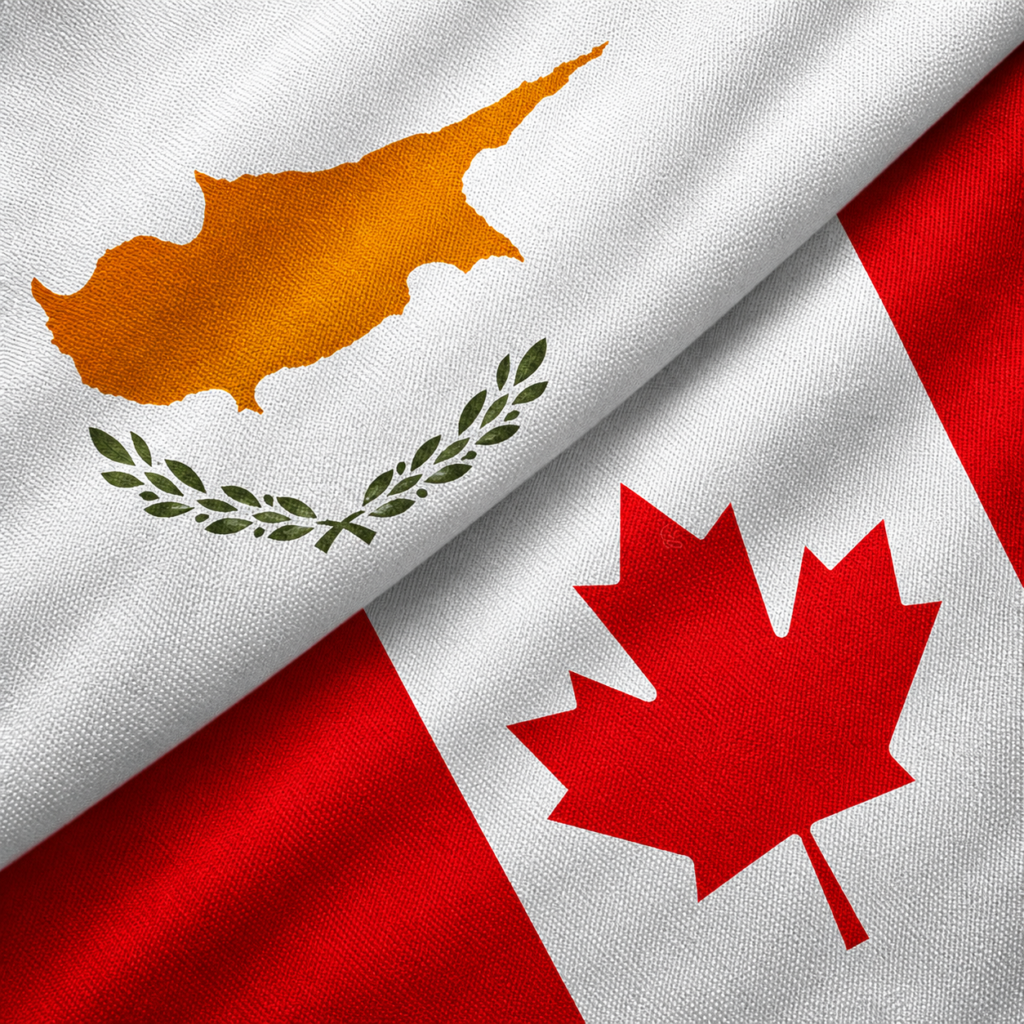
History of Canada & Cyprus Relations
Canada and Cyprus have maintained friendly relations since Cyprus gained independence in 1960, with cooperation developing through diplomacy, peacekeeping, trade, and international organizations.
Cyprus Independence1960
Cyprus became independent on 16 August 1960, establishing the foundation for formal relations with Canada and supporting cooperation through the Commonwealth.
Canada Peacekeeping Mission 1964
Canada joined the UN Peacekeeping Force in Cyprus (UNFICYP) in 1964 after tensions between Greek Cypriot and Turkish Cypriot communities. Canadian forces helped monitor ceasefire lines, patrol the buffer zone, and maintain peace.
The 1974 Crisis
During the 1974 Cyprus crisis, Canadian peacekeepers helped supervise the ceasefire and maintain the buffer zone between opposing forces.
Tax Cooperation 1984
Canada and Cyprus signed a Tax Convention in 1984 to avoid double taxation and support business and investment between the two countries.
Business Cooperation 2010
The Cyprus&Canada Business Association was established in 2010 to promote trade, investment, and business links between Canadian and Cypriot companies.
Cooperation Today
Canada and Cyprus continue to cooperate through the United Nations, Commonwealth, UNESCO, WTO, OSCE, and other international organizations. Their modern relationship covers peace and security, trade, education, tourism, and cultural exchange
Canada & Cyprus Trade and Economic Relations
Canada and Cyprus have a modest but growing economic relationship, supported by trade, investment, business cooperation, and commercial agreements.
Bilateral Trade
In 2023, bilateral merchandise trade was approximately $118.12 million, including $104.7 million in Canadian exports and $13.4 million in imports from Cyprus.
Economic Cooperation
The two countries cooperate through the 1984 Tax Convention and the Cyprus–Canada Business Association, established in 2010 to promote trade and investment.
Future Opportunities
Potential areas for greater cooperation include technology, financial services, shipping, tourism, education, renewable energy, agriculture, infrastructure, and research.
Regional Business Links
Cyprus location in the eastern Mediterranean provides Canadian businesses with connections to European, Middle Eastern, and North African markets, while Cyprus can benefit from Canadian expertise and investment.
Overall Economic Relationship
Although trade remains relatively small, the relationship has potential for further growth through business partnerships, investment, technology, education, and sustainable development.
Canada Cyprus Political and Diplomatic Relations
Canada and Cyprus maintain friendly relations based on diplomacy, Commonwealth ties, peacekeeping, and cooperation in international organizations.
Diplomatic Representation
Canada has an Honorary Consulate in Nicosia, while Cyprus maintains a High Commission in Ottawa. These missions support diplomatic, consular, trade, and cultural relations.
Peacekeeping and Security
Canada joined the UN Peacekeeping Force in Cyprus (UNFICYP) in 1964. Under Operation SNOWGOOSE, Canadian personnel helped monitor ceasefire lines, maintain the buffer zone, and support peace and stability.
More than 33,000 Canadians served in Cyprus during Canada major peacekeeping involvement. Canadian personnel have also continued to contribute to UNFICYP through various roles.
International Cooperation
Canada and Cyprus cooperate through the United Nations, Commonwealth, UNESCO, OSCE, WTO, ICC, and ICAO. Their cooperation includes peacekeeping, international law, human rights, security, and sustainable development.
Political Issues
Canada supports peaceful dialogue, international law, and UN-led efforts to address the long-standing division of Cyprus. Canada continues to support stability and peaceful conflict resolution on the island.
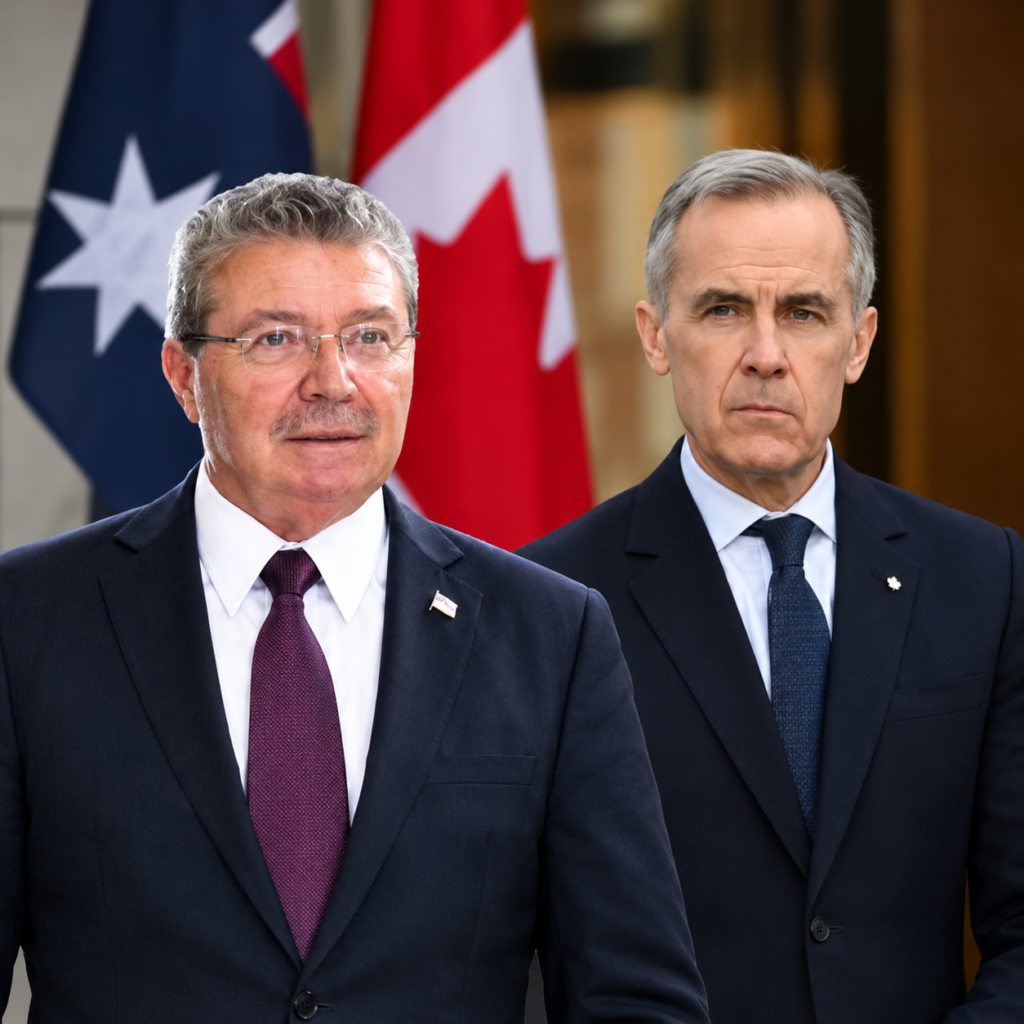
Canada &Cyprus Education, Tourism and People to People Connections
Canada and Cyprus strengthen their relationship through education, tourism, cultural exchange, and community connections.
Education Cooperation
Canadian universities and colleges attract Cypriot students through programmes in business, engineering, technology, health, tourism, and research. These educational links also create long-term professional connections between the two countries.
Tourism Connections
Canadians visit Cyprus for its Mediterranean beaches, history, archaeological sites, culture, and cuisine. Cypriot visitors travel to Canada for its cities, natural landscapes, national parks, and multicultural communities.
Cypriot Community in Canada
The Cypriot community helps maintain cultural ties by promoting language, traditions, food, music, religious celebrations, and community activities. These organizations also introduce Cypriot culture to wider Canadian society.
Youth and Cultural Exchange
Youth programmers and cultural activities give young people opportunities to learn about Cyprus history, traditions, and heritage. Festivals, music, dance, art, and community events further strengthen people-to-people relations.
Overall Connection
Education, tourism, and cultural exchanges create direct links between Canadians and Cypriots, supporting mutual understanding and long-term friendship between the two countries.
Visa and Travel: Cyprus Citizens Visiting Canada
Cypriot citizens with a valid passport generally do not need a visitor visa for short visits to Canada by air. However, they usually need an Electronic Travel Authorization (eTA) before boarding their flight.
Main Entry Requirements
Travelers generally need a valid Cypriot passport and approved eTA. They may also need to show their travel purpose, accommodation, financial support, or plans to leave Canada.
Applying for an beta
The beta application is completed online through the Government of Canada. Applicants must use the same passport for the application and travel, and the current fee is CAN$7.
Travel by Land or Sea
Cypriot citizens entering Canada by car, bus, train, or boat generally do not need an eTA. They must still meet Canada entry requirements and carry valid travel documents.
Length of Stay
A Canadian border officer decides how long a visitor can stay. Travelers may be asked for return travel plans, accommodation details, and proof of financial support.
Important Exceptions
A visitor may require a visa or additional authorization if they have a non-standard travel document, inadmissibility issue, or plans to work or study in Canada. Entry requirements can change, so travelers should check official Canadian immigration information before travelling.
Visa and Travel: Canada Citizens Visiting Cyprus
Canadian citizens generally do not need a visa for short visits to Cyprus. They can travel for tourism, family visits, or business purposes, subject to Cyprus entry requirements.
Entry Requirements
Canadian travelers should carry a valid Canadian passport and may be asked to provide accommodation details, proof of sufficient funds, or a return or onward ticket.
Length of Stay
Short-term visitors can generally stay in Cyprus for up to 90 days within a 180-day period. Longer stays may require the appropriate residence or immigration authorization.
Travel to Cyprus
Canadian citizens can travel to Cyprus by air, with Larnaca and Paphos serving as the country main international airports. Travellers should check current entry requirements before departure.
Important Information
Entry rules can change, particularly because Cyprus is part of the European Union and the Schengen process is evolving. Canadian travelers should verify the latest requirements through official Cypriot or EU authorities before travelling.
Canada&yprus Relations Today
Canada and Cyprus maintain friendly relations through diplomacy, peacekeeping, trade, international cooperation, and people-to-people connections.
Political and Diplomatic Relations
Canada has an Honorary Consulate in Nicosia, while Cyprus maintains a High Commission in Ottawa. Both countries cooperate through the UN, Commonwealth, UNESCO, and WTO.
Peacekeeping Cooperation
Canada has contributed to UNFICYP since 1964 through Operation SNOWGOOSE. In 2026, Canada has one senior officer serving with UNFICYP, with the mission expected to conclude by mid-2027.
Trade and Economic Relations
Bilateral merchandise trade reached about $118.12 million in 2023, with Canadian exports of $104.7 million and imports from Cyprus of $13.4 million. The 1984 Tax Convention and Cyprus & Canada Business Association support economic cooperation.
Education, Tourism and Community Links
Students, tourists, researchers, families, and the Cypriot community strengthen people-to-people ties. Education, tourism, cultural activities, and youth programmers continue to build connections between the two countries.
Future of Canada & Cyprus Relations
Canada and Cyprus are likely to maintain friendly and cooperative relations, with greater focus on diplomacy, trade, education, tourism, and international cooperation.
Diplomatic Cooperation
Both countries are expected to continue working through the UN, Commonwealth, UNESCO, OSCE, and WTO on peace, security, human rights, and sustainable development.
Peacekeeping Transition
Canada military contribution to UNFICYP is expected to end by mid-2027. However, this will not end Canada diplomatic or political relationship with Cyprus.
Trade and Investment
Bilateral trade has potential to grow beyond its current level. Future opportunities may include technology, financial services, shipping, tourism, renewable energy, agriculture, infrastructure, and research.
Education and Research
Universities and research institutions could expand cooperation through student exchanges, scholarships, joint research, and professional training in areas such as technology, engineering, business, and environmental studies.
Tourism and People-to-People Links
Tourism, cultural events, youth programmers, and diaspora activities can strengthen connections between Canadians and Cypriots and promote greater understanding of each country culture.
The Cyprus Question
The division of Cyprus will remain an important challenge. Canada can continue supporting UN-led dialogue, peaceful negotiations, confidence-building, and respect for international law.
Introduction to Canada and Egypt
Canada and Egypt are two important countries with different geography, history, and culture. Canada is a large North American country known for its multicultural society, democracy, natural resources, and strong economy, while Egypt is a major North African and Middle Eastern country famous for its ancient civilization, pyramids, and the Nile River.
Canada and Egypt Relations
Canada and Egypt have maintained diplomatic relations for more than 70 years. Their cooperation includes trade, investment, education, development, peacekeeping, security, and cultural exchange.
People-to-People Connection
Canada is home to a significant Egyptian-Canadian community, while Canadians also live and work in Egypt. These communities strengthen cultural, educational, and social links between the two countries.
International Cooperation
Canada and Egypt cooperate through organizations such as the United Nations, UNESCO, WTO, La Francophone, and ICAO. Both countries also support efforts related to regional peace, stability, and development
Overall Relationship
Canada&Egypt relations are broad and people-centred, supported by economic ties, education, development cooperation, peacekeeping, and strong community connections.
Canada & Egypt Relations
Canada and Egypt have maintained friendly relations for more than 70 years, with cooperation in diplomacy, trade, education, development, peacekeeping, and regional security.
Diplomatic and Political Relations
Both countries cooperate on Middle East and African stability, peacekeeping, human rights, economic development, and regional security. Canada also participates in the Multinational Force and Observers mission in Sinai.
Trade and Investment
In 2025, two-way merchandise trade reached about $967 million. Canadian exports included mineral ores, aerospace products, iron and steel, and cereals, while Canadian companies also invest in Egypt’s energy, mining, and environmental sectors.
Education and Development
Education is an important connection, including Canadian university programmes in Egypt. Canada also supports Egypt through development programmes focused on economic growth, climate resilience, refugees, gender equality, and social development.
People-to-People Connections
Around 105,000 people of Egyptian origin live in Canada and contribute to business, medicine, education, science, and culture. Canadian residents and institutions in Egypt also help strengthen bilateral connections.
Overall Relationship
Canada&Egypt relations are broad and active, with growing cooperation in trade, education, development, peacekeeping, and regional securty.
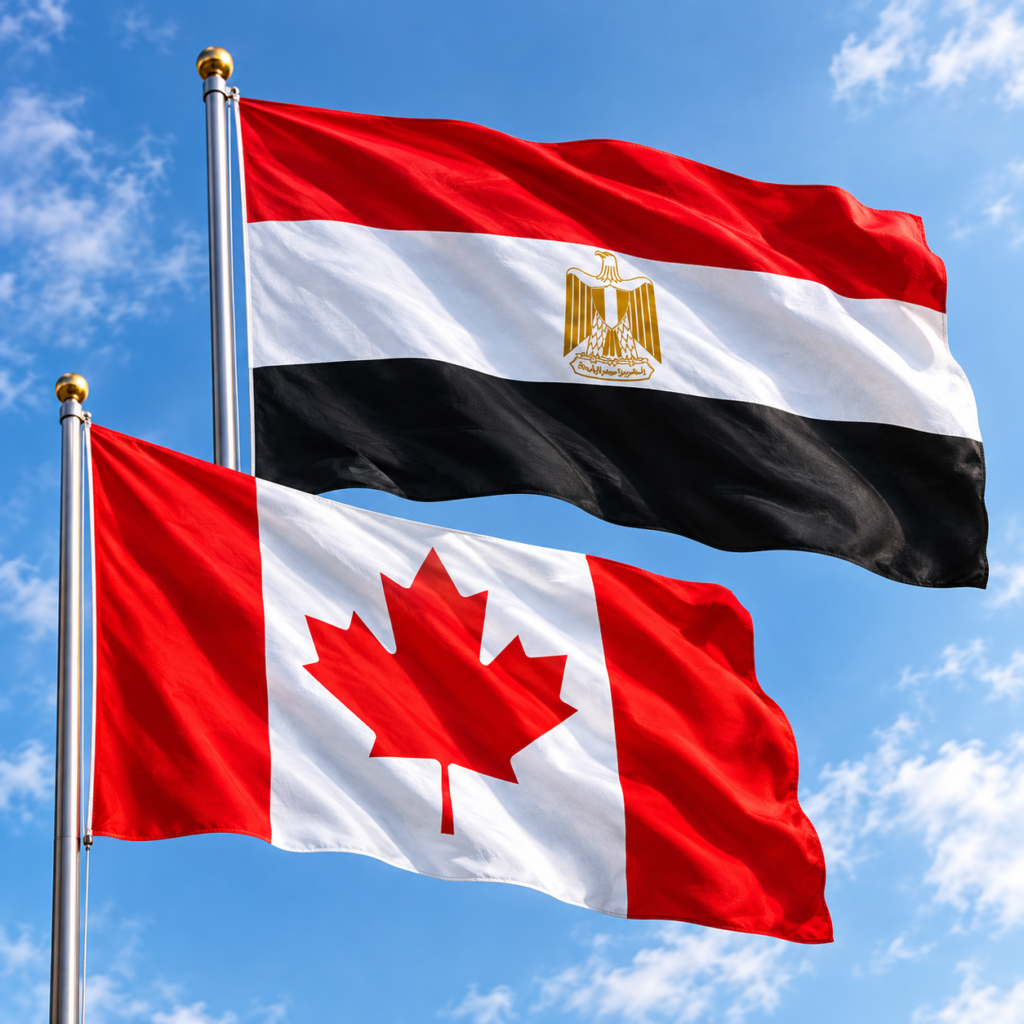
History of Canada & Egypt Relations
Canada and Egypt have maintained diplomatic relations for more than 70 years. Their relationship has developed through peacekeeping, diplomacy, trade, education, development cooperation, and people-to-people connections.
Establishment of Diplomatic Relations&1954
Canada and Egypt established diplomatic relations in 1954. Since then, both countries have developed official diplomatic ties and expanded cooperation on regional and international issues.
Suez Crisis and Peacekeeping & 1956
The Suez Crisis of 1956 became a major turning point. Canada supported the creation of the United Nations Emergency Force (UNEF), while Canadian personnel helped establish the peacekeeping mission in Egypt. Lester B. Pearson later received the Nobel Peace Prize in 1957 for his role in resolving the crisis.
Continued Security Cooperation
Canada continued contributing to Middle East peace and security missions after the Suez Crisis. Canadian personnel later served with the Multinational Force and Observers in Sinai, supporting stability between Egypt and Israel.
Development and Economic Cooperation
Canada and Egypt gradually expanded cooperation into development, trade, investment, education, agriculture, energy, mining, and environmental services. Canadian assistance has also supported economic growth, climate resilience, gender equality, and social development.
Education and Community Links
Education has become an important part of bilateral relations, including the Universities of Canada in Egypt, inaugurated in 2018. Egyptian communities in Canada and Canadian communities in Egypt also strengthen cultural, family, educational, and business connections.
Relations in the 21st Century
Today, Canada and Egypt cooperate on regional security, trade, development, education, climate issues, human rights, and economic growth. The relationship has evolved from its historic peacekeeping foundation into a broader and more diverse partnership.
Canada&Egypt Trade and Economic Relations
Canada and Egypt have a growing economic relationship covering trade, services, investment, education, tourism, and development cooperation.
Bilateral Merchandise Trade
In 2025, two-way merchandise trade reached approximately $967 million, with Canadian exports to Egypt worth about $536.6 million. Major exports included mineral ores, aerospace products, iron and steel, and cereals.
Services Trade
Services trade reached approximately $362 million in 2024. Important areas included tourism, education, and professional services.
Investment Cooperation
Canadian companies have interests in Egypt mining, oil and gas, petrochemical, environmental, and infrastructure sectors. Egypt’s strategic location also creates opportunities for Canadian businesses.
Education and Development
The Universities of Canada in Egypt support educational and professional links between the two countries. Canada also supports Egypt through programmers focused on economic growth, climate resilience, refugees, gender equality, and social development.
Future Opportunities
Future cooperation could expand in renewable energy, agriculture, mining, aerospace, technology, infrastructure, tourism, education, and environmental services.
Canada&Egypt Political and Diplomatic Relations
Canada and Egypt have maintained friendly diplomatic relations for more than 70 years, with cooperation in regional security, peacekeeping, development, trade, and human rights.
Political Cooperation
Both countries discuss Middle East and African security, peacekeeping, human rights, women rights, democratic governance, and economic development. Egypt’s strategic position makes it an important partner for Canada.
Peacekeeping and Security
The Suez Crisis of 1956 was an important milestone in Canada&Egypt relations and Canadian peacekeeping. Today, Canada participates in the Multinational Force and Observers mission in Sinai to support regional stability.
Development Cooperation
Canada supports programmers in Egypt focused on economic growth, climate resilience, poverty reduction, refugees, gender equality, and women economic empowerment.
Multilateral Cooperation
Canada and Egypt cooperate through the United Nations, UNESCO, WTO, La Francophone, and ICAO on peace, security, development, humanitarian issues, and international cooperation.
Recent Diplomatic Engagement
In 2024, Canadian and Egyptian officials discussed strengthening bilateral relations, particularly through trade, tourism, travel, and people-to-people connections.
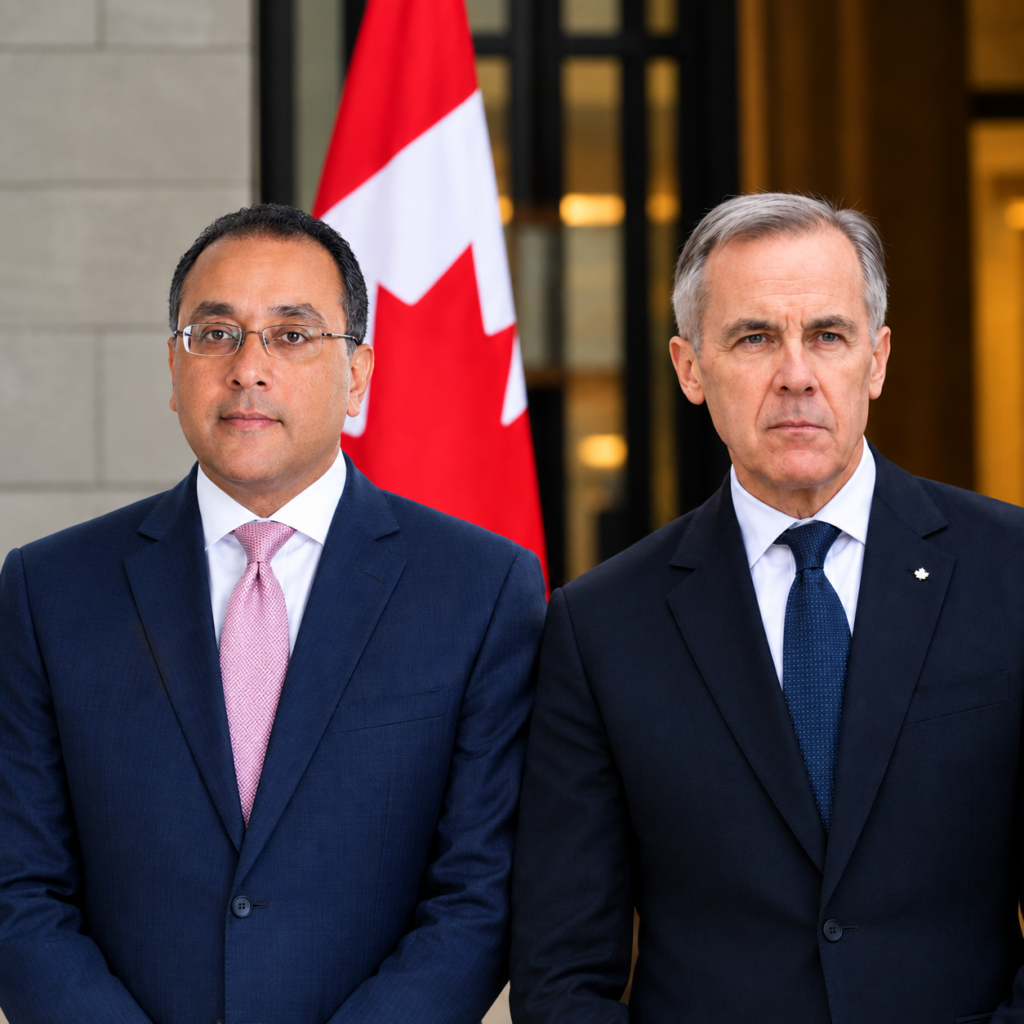
Canada Visa for Egyptian Citizens: How to Apply
Egyptian citizens generally need a Canadian Visitor Visa (Temporary Resident Visa) to visit Canada. The application is normally submitted online before travelling.
Check Eligibility
Applicants should have a valid passport, sufficient funds, and a clear travel purpose. They should also demonstrate strong ties to Egypt and satisfy the visa officer that they will leave Canada after their authorized stay.
Prepare Documents
Common documents include a valid passport, proof of funds, employment or study evidence, travel plans, accommodation details, invitation letter if applicable, and evidence of ties to Egypt. IRCC provides a personalized document checklist during the application.
Apply Online
Applicants create an IRCC account, complete the visitor-visa application, upload the required documents, pay the applicable fees, and submit the application online.
Give Biometrics
Most applicants are required to provide fingerprints and a photograph. If biometrics are required, IRCC sends a Biometric Instruction Letter with instructions for completing the process.
Wait for a Decision
IRCC may approve the application, request additional documents or examinations, or refuse it. Processing times vary, so applicants should check the official IRCC processing-time information.
Submit the Passport
If the application is approved, IRCC sends instructions for submitting the passport. Applicants should wait for this request before sending their passport.
Important Advice
Applicants should provide truthful and consistent information and avoid purchasing non-refundable tickets before receiving a decision. A visa does not guarantee entry; the final decision is made by a Canadian border-services officer.
Introduction to Canada and Iran
Canada and Iran are two countries with different political systems, geography, history, and cultures. Canada is a large North American country known for its multicultural society, democratic institutions, natural resources, and strong economy.
Iran: A Brief Introduction
Iran is a major country in Western Asia and the Middle East, with Tehran as its capital. It is known for its ancient Persian civilization, literature, art, architecture, and strategic regional position.
Canada&Iran Relations
Canada and Iran have historical connections through trade, education, migration, and cultural exchange. However, Canada severed diplomatic relations with Iran in 2012, citing concerns over human rights, regional security, and Iran nuclear activities.
People-to-People Connections
Despite political tensions, the Iranian Canadian community maintains strong cultural and social links. Iranian Canadians contribute to Canada in areas including business, science, medicine, education, technology, and culture.
Current Relationship
Canada&Iran relations remain politically difficult, while people to people and cultural connections continue. Canada also remains involved in international discussions concerning human rights, regional security, and accountability in Iran.
Canada&Iran Relations
Canada&Iran relations are currently strained and limited, with no normal diplomatic relations. Despite political disagreements, cultural, educational, and community connections continue.
Diplomatic Status
Canada suspended diplomatic relations with Iran in 2012 and closed its embassy in Tehran. Canada currently has no embassy in Iran, making consular assistance for Canadians extremely limited.
Main Areas of Disagreement
Canada concerns include human rights, treatment of women and protesters, Iran nuclear programmer, regional security, support for armed groups, and the treatment of Canadian-Iranian nationals.
Canadian Sanctions
Canada has imposed sanctions on various Iranian individuals and entities, including financial and trade restrictions. Canadian businesses must comply with applicable sanctions before conducting transactions involving Iran.
Economic Relations
Trade and investment remain limited because of sanctions, financial restrictions, political tensions, and the absence of normal diplomatic relations. Some lawful humanitarian and economic activities may continue under applicable rules.
People to People Connections
The Iranian&Canadian community contributes to Canada in medicine, science, technology, business, education, and culture. Family and community connections remain an important link between the two countries.
Current Relationship
Canada&Iran relations remain defined by diplomatic tensions, sanctions, security concerns, and political disagreements. However, people-to-people connections continue despite the difficult government-to-government relationship.
Canada&Iran Trade and Economic Relations
Canada and Iran have limited economic relations because of diplomatic tensions, Canadian sanctions, and financial restrictions.
Bilateral Trade
Trade between the two countries continues on a limited basis, mainly involving agricultural products, food, consumer goods, and other permitted products. Sanctions can restrict certain transactions and business activities.
Canadian Sanctions
Canada maintains sanctions against various Iranian individuals and entities. These measures can restrict financial transactions, exports, imports, investment, and the provision of certain services involving Iran.
Business and Investment
Canadian companies face significant challenges when dealing with Iran because of sanctions and banking restrictions. Any business activity must comply with Canadian laws and applicable sanctions regulations.
Humanitarian Trade
Some food, medicine, and humanitarian activities may be permitted under specific Canadian sanctions exceptions or authorizations. Businesses and organizations must carefully check the applicable rules before proceeding.
Future Economic Relations
Greater economic cooperation would depend largely on improvements in diplomatic relations, sanctions conditions, financial access, regional security, and political trust between Canada and Iran.
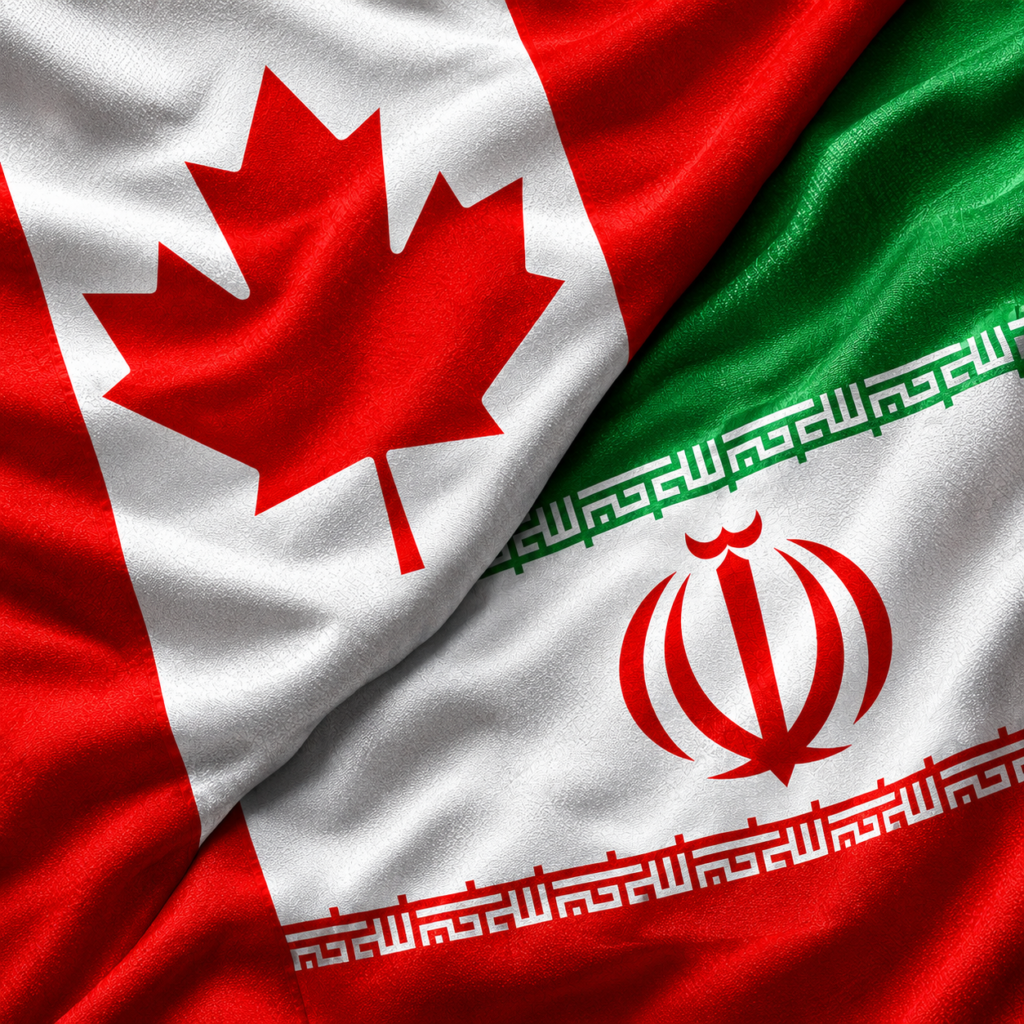
Canada&Iran Trade and Economic Relations
Canada&Iran economic relations are limited and highly restricted because of sanctions, financial controls, political tensions, and security concerns.
Trade History
Canada& Iran trade was stronger before the expansion of sanctions. Canadian exports to Iran reached about $772 million in 1997, but later declined significantly as restrictions increased.
Canadian Sanctions
Canada maintains sanctions targeting Iran nuclear and weapons programmes, missile development, proliferation activities, human-rights violations, and destabilizing activities. Restrictions can include asset freezes, financial measures, export controls, and arms restrictions.
Economic Re-engagement
In 2016, Canada eased some broad economic restrictions following international developments related to the JCPOA. However, strict controls on sensitive nuclear, military, missile, and dual-use goods remained.
Current Economic Environment
Normal business relations remain difficult because of sanctions, limited banking channels, political tensions, and the absence of Canadian diplomatic representation in Iran. Companies must carefully check applicable Canadian laws before conducting transactions.
Lawful Economic Activities
Where permitted, certain activities involving food, humanitarian supplies, medicine, education, cultural activities, and personal funds may be possible under specific legal exceptions.
Future Economic Relations
Any major expansion of Canada–Iran trade would depend on improvements in diplomatic relations, sanctions conditions, regional security, financial access, and political trust.
Canada&Iran Education, Tourism and People-to-People Connections
Education Connections
Iranian students and researchers have contributed to Canadian universities, especially in engineering, IT, medicine, business, mathematics, and natural sciences. However, visas, financial restrictions, sanctions, and research controls can affect academic cooperation.
Tourism and Travel
Iran ancient history, architecture, Persian culture, cuisine, and natural landscapes have attracted visitors. However, current security conditions have severely limited travel, and Canada advises Canadians to avoid travel to Iran.
Iranian Community in Canada
The Iranian & Canadian community is an important bridge between the two countries. Iranian Canadians contribute to science, medicine, technology, business, education, arts, and community life.
Cultural Connections
Cultural ties continue through Norris, Persian music, poetry, cinema, food, literature, and community events. These activities help preserve Iranian heritage while contributing to Canada’s multicultural society.
Humanitarian and Family Links
Families and personal relationships continue to connect people in Canada and Iran. However, sanctions and banking restrictions can affect money transfers and other transactions, so activities must comply with Canadian laws.
Overall People-to-People Connection
Despite political tensions and the absence of normal diplomatic relations, education, culture, family networks, and the Iranian-Canadian community continue to maintain important connections between
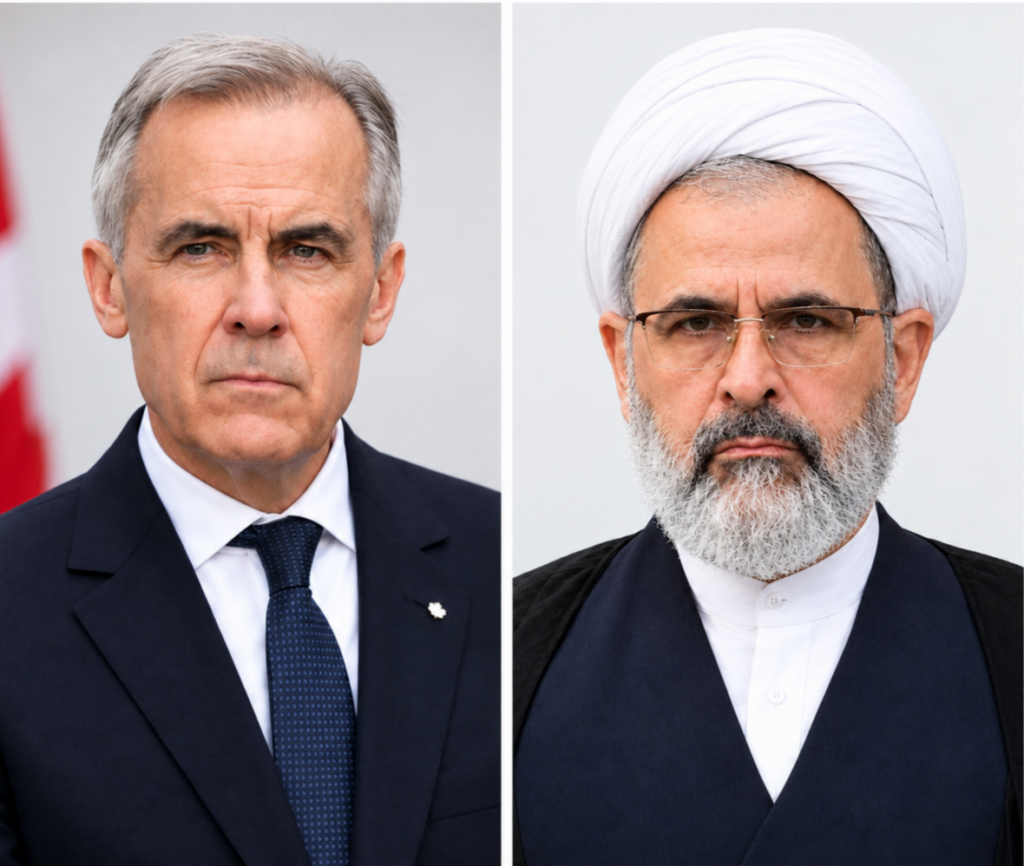
Canada Visa for Iranian Citizens: How to Apply
Check Eligibility
Iranian citizens generally need a Canadian Visitor Visa (TRV) to visit Canada. Applicants must show a valid passport, sufficient funds, a clear travel purpose, strong ties outside Canada, and that they will leave Canada after their visit.
Prepare Documents
Common documents include a valid passport, application forms, proof of funds, employment or study documents, travel plans, accommodation details, invitation letter if applicable, travel history, and evidence of family or other ties.
Apply Online
Applicants normally submit the application through IRCC, upload the required documents, and pay the applicable fees. The visitor-visa application fee is generally CAN$100, while processing times vary by application and location.
Give Biometrics
Most Iranian applicants are required to provide fingerprints and a photograph after receiving a Biometric Instruction Letter. If biometric collection is not available in Iran, applicants may need to visit a VAC in another country.
Wait for the Decision
IRCC may approve the application, request additional documents, require a medical examination or interview, or refuse the application. All information should be accurate and consistent because false information can lead to refusal and other immigration consequences.
Submit the Passport
If the application is approved, IRCC sends instructions for passport submission. Applicants should submit their passport only according to those instructions so the visa can be placed inside it.
mportant Considerations
A Canadian visitor visa does not guarantee entry; the final decision is made by a border officer when the traveler arrives. Applicants should also check current IRCC requirements, processing times, and travel arrangements before making
final plans.
Canada&Iran Relations Today
Diplomatic Relations
Canada&Iran relations remain highly strained. Canada severed diplomatic relations in 2012, closed its embassy in Tehran, and currently has no embassy or consulate in Iran.
Human Rights and Political Concerns
Canada continues to raise concerns about human rights in Iran, including arbitrary detention, restrictions on women and civil rights, freedom of expression, and the use of the death penalty.
Sanctions and Economic Pressure
Canada maintains extensive sanctions against Iranian individuals and entities because of concerns involving human rights, nuclear and missile activities, and regional security. These measures significantly restrict normal economic and financial relations.
Regional Security
Canada remains concerned about Iran regional activities, including its support for armed groups and its impact on Middle East security. Canada coordinates with international partners to address these security concerns.
Trade and People-to-People Links
Trade and investment remain limited because of sanctions and the lack of diplomatic relations. However, strong people-to-people connections continue through the Iranian-Canadian community, education, culture, family ties, and professional networks.
Travel and Consular Assistance
Canada advises its citizens to avoid travel to Iran because of serious security risks. Dual Canadian-Iranian citizens may face additional difficulties because Iran does not recognize dual citizenship, while Canada ability to provide consular assistance inside Iran is very limited.
Future of Canada & Iran Relations
Diplomatic Relations
Canada&Iran relations are likely to remain limited in the near term. Without formal diplomatic ties, communication and consular cooperation will continue mainly through international organizations and partner countries.
Sanctions and Economic Pressure
Canada is expected to maintain sanctions and other restrictions on Iran. Significant growth in trade and investment is unlikely unless political and security conditions improve.
Nuclear and Regional Security
Iran nuclear activities, missile programmer, regional conflicts, and support for armed groups will remain major factors shaping Canada policy. Progress in these areas could create opportunities for greater dialogue.
Human Rights
Human rights will remain an important Canadian concern, particularly women rights, treatment of protesters, political freedoms, arbitrary detention, and the death penalty. Improvements could help create conditions for renewed engagement.
Humanitarian and Limited Cooperation
Some lawful humanitarian, medical, educational, cultural, and family-related activities may continue despite sanctions. Any organization or individual dealing with Iran must comply with Canadian sanctions and applicable laws.
People-to-People Connections
Iranian Canadians, students, researchers, families, artists, and community organizations can continue maintaining cultural and educational links. These connections may provide a foundation for future reconciliation.
Long-Term Outlook
A major improvement in relations would likely require changes in Iran human-rights policies, nuclear activities, regional conduct, and treatment of dual nationals. If conditions improve, relations could gradually move from limited contacts toward broader diplomatic and economic engagement.
Canada or iraq Relations
Political and Diplomatic Relations
Canada and Iraq maintain cooperation on stability, governance, democracy, human rights, and economic development. Canada has an embassy in Baghdad and also maintains engagement with the Kurdistan Region.
Security Cooperation
Security is a major part of the relationship. Canada contributes to the Global Coalition against Dash and has supported the training and capacity-building of Iraqi security institutions through international missions.
Development and Humanitarian Assistance
Canada has provided significant humanitarian and development assistance to Iraq, including support for displaced people, governance, women participation, community stabilization, and civilian protection.
Trade and Economic Relations
Canada or Iraq trade includes Canadian exports such as cereals, pulses, pharmaceuticals, machinery, and electronic equipment. Future opportunities exist in energy, infrastructure, renewable energy, health care, education, and financial services.
International Cooperation
Canada and Iraq cooperate through organizations such as the United Nations, UNESCO, and the International Civil Aviation Organization. Their cooperation also covers humanitarian assistance, development, peacebuilding, and counterterrorism.
Overall Relationship
Canada or Iraq relations are broad and focused mainly on security, humanitarian assistance, development, governance, and economic cooperation.
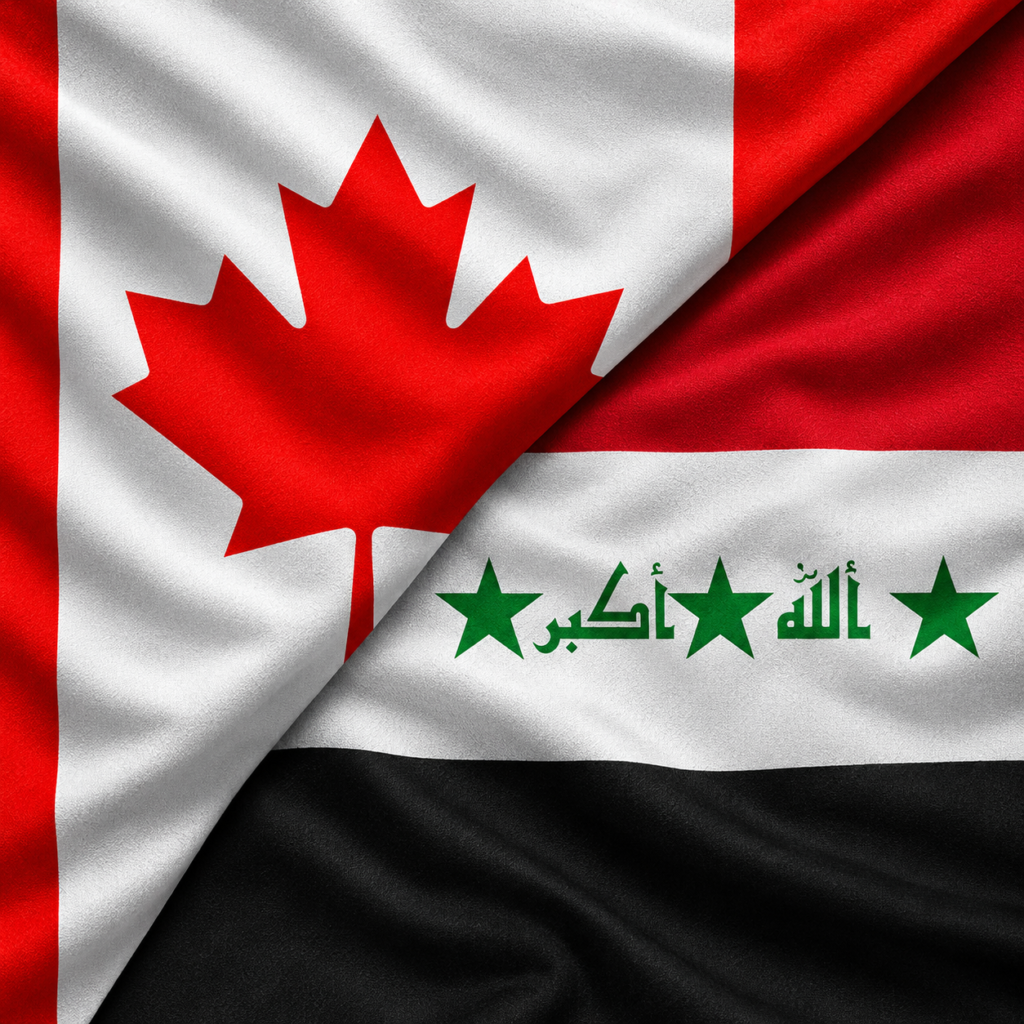
Canada & Iraq Trade and Economic Relations
Trade Relationship
Canada or Iraq trade remains relatively limited. Canadian exports include wheat, pulses, wood products, pharmaceuticals, machinery, and electronic equipment.
Main Economic Sectors
Potential areas for Canadian businesses include energy, infrastructure, agriculture, health care, education, financial services, clean technology, and information technology.
Legal and Institutional Framework
Canada and Iraq do not have a free-trade agreement, but they have a 1982 Agreement on Trade, Economic and Technical Cooperation. The agreement supports trade, investment, technical cooperation, education, and economic exchanges.
Broader Economic Engagement
Canada economic relationship with Iraq also includes development assistance, infrastructure support, governance programmes, and commercial engagement through Canadian diplomatic and trade offices.
Key Challenges
Canadian companies face challenges including political and security uncertainty, oil dependence, corruption, regulatory complexity, financing difficulties, and export-control requirements.
Future Opportunities
Despite these challenges, Iraq offers opportunities for Canadian companies in energy, renewable power, agriculture, infrastructure, health care, education, and technology.
Canada or Iraq Political and Diplomatic Relations
Diplomatic Relations
Canada and Iraq maintain constructive diplomatic relations focused on stability, governance, human rights, and economic development. Canada has a resident embassy in Baghdad and works with Iraqi authorities and international partners.
Political Priorities
Canada supports good governance, democracy, pluralism, human rights, women participation, national reconciliation, and the rule of law in Iraq.
Security and Counterterrorism
Security cooperation is a major part of the relationship. Canada supports the Global Coalition against Dash and contributes to NATO training and capacity-building efforts in Iraq through Operation AMARNA.
Development and Humanitarian Assistance
Canada has provided substantial assistance for humanitarian relief, displaced people, community stabilization, governance, women empowerment, mine action, and reconstruction in areas affected by conflict.
Multilateral Cooperation
Canada and Iraq cooperate through the United Nations, NATO, UNESCO, and the Global Coalition against Dash. These partnerships support peacebuilding, security, humanitarian assistance, and development.
Main Diplomatic Challenges
Relations face challenges from security instability, political divisions, corruption, human-rights concerns, regional tensions, and foreign influence. Canada also advises its citizens to avoid all travel to Iraq because of the security situation.
Canada–Iraq Education, Tourism and People-to-People Connections
Education Connections
Education is an important area of Canada and Iraq cooperation. Iraqi students and researchers connect with Canadian universities through higher education, technical training, scholarships, research, and professional exchanges.
Tourism and Travel
Iraq has major historical and cultural attractions, including Babylon, Baghdad, Najaf, Karbala, Mosul, Nineveh, and Erbil Citadel. However, tourism from Canada remains limited because Canada currently advises its citizens to avoid all travel to Iraq.
Migration and Family Connections
The Iraqi-Canadian community strengthens ties between the two countries through medicine, engineering, technology, business, education, and community activities. Family networks also support cultural exchange, reunification, and humanitarian connections.
Humanitarian and Community Links
Canadian-supported programs have assisted displaced people and vulnerable communities through education, psychosocial support, women empowerment, reconciliation, and civil-society initiatives.
Cultural and Religious Connections
Iraqi communities in Canada maintain connections through Arabic and Kurdish cultural activities, religious institutions, food, music, literature, arts, and community events. These activities help preserve Iraqi heritage within Canada multicultural society.
Main Barriers
Security concerns, limited consular assistance, visa requirements, travel costs, political uncertainty, and displacement continue to restrict closer people-to-people connections.
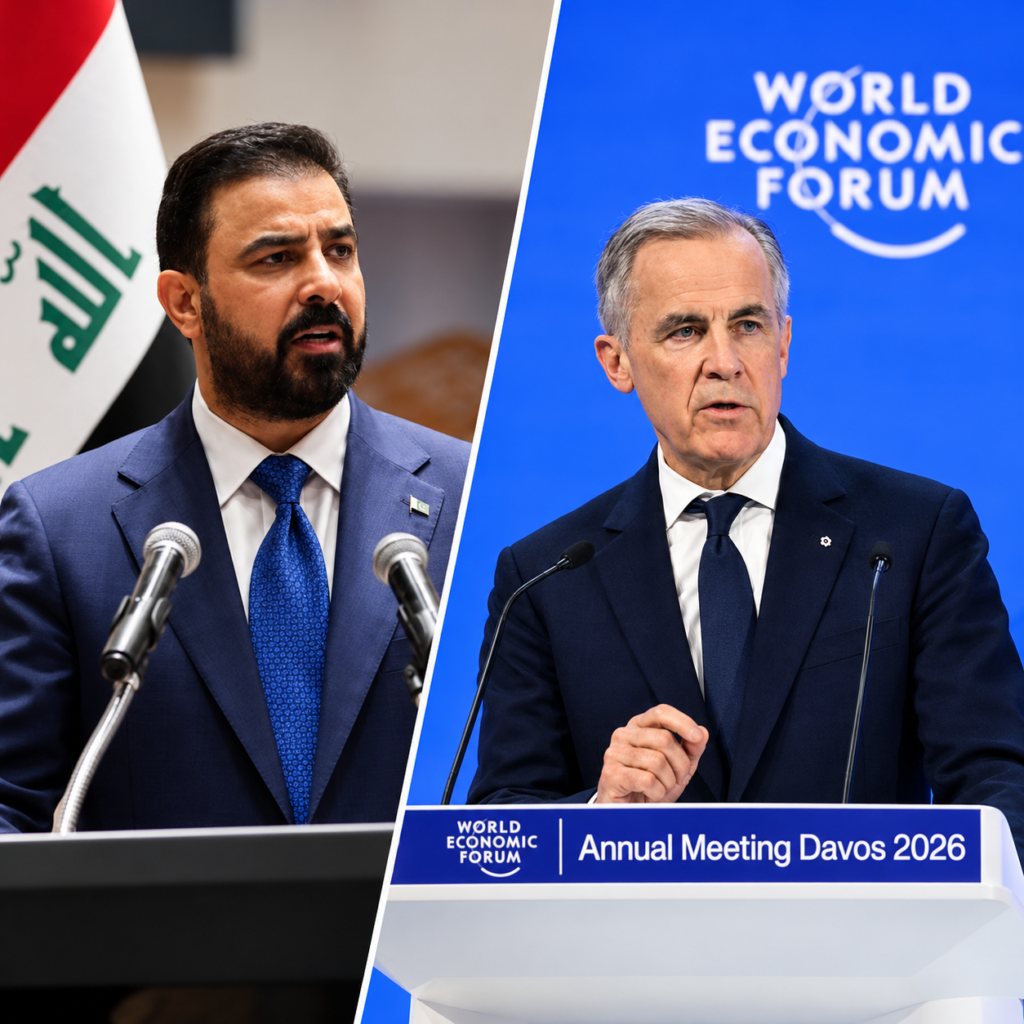
Canada Visa for Iraqi Citizens: How to Apply
Check Eligibility
Iraqi citizens generally need a Canadian Visitor Visa (TRV) to visit Canada. Applicants must show a valid passport, sufficient funds, a genuine temporary purpose, and strong ties to Iraq or another country.
Prepare Documents
Common documents include a valid passport, travel history, proof of funds, employment or study records, travel itinerary, accommodation details, invitation letter if applicable, and evidence showing that the applicant will return after the visit.
Apply Online
Applicants normally submit their application through IRCC, upload the required documents, pay the applicable fees, and submit the application electronically. A clear letter explaining the purpose of travel can also strengthen the application.
Pay the Fees
The standard visitor visa application fee is generally CAD $100, while biometrics are generally CAD $85 per person. Fees can change, so applicants should confirm the current amount before payment.
Give Biometrics
Most applicants must provide fingerprints and a photograph after receiving a Biometric Instruction Letter. Biometrics are normally collected at an official Canadian Visa Application Centre (VAC).
Wait for the Decision
IRCC may request additional documents, an interview, a medical examination, or other information. Applicants should check their IRCC account and current processing times while waiting.
Submit the Passport
If approved, IRCC sends a passport-submission request. Applicants should submit their passport only according to the official instructions provided by IRCC.
Travel to Canada
A visa allows a traveller to seek entry to Canada but does not guarantee admission. A border officer makes the final decision and may ask about the purpose of the visit, accommodation, finances, and plans to leave Canada.
Study and Work
Iraqi citizens intending to study or work in Canada generally need the appropriate study permit or work permit rather than applying only for a visitor visa.
Common Reasons for Refusal
Applications may be refused if the officer is not satisfied about the applicant’s purpose of travel, financial situation, ties outside Canada, intention to leave, or the credibility and consistency of the submitted information.
Canada or Iraq Relations Today
Diplomatic Relations
Canada maintains diplomatic relations with Iraq through its embassy in Baghdad. Cooperation focuses on Iraq sovereignty, stability, governance, human rights, and economic development.
Security and Defense Cooperation
Security remains the strongest area of cooperation. Canada supports the Global Coalition against Dash and contributes to NATO training and capacity-building mission in Iraq through Operation AMARNA.
Development and Humanitarian Assistance
Canada provides humanitarian, stabilization, and development assistance to Iraq. Key areas include support for displaced people, reconstruction, education, governance, women participation, and community reconciliation.
Economic Relations
Economic relations remain friendly but relatively modest. Canadian exports include wheat, pulses, pharmaceuticals, machinery, and other products, while future opportunities include energy, infrastructure, agriculture, health care, clean technology, and education.
Education and Community Ties
Iraqi students, researchers, professionals, and entrepreneurs contribute to Canadian society. Family networks, universities, community organizations, and cultural groups also maintain strong connections between the two countries.
Tourism and Mobility
Iraq has important archaeological, religious, and cultural attractions, but tourism and regular travel remain limited because of security concerns. Canada currently advises its citizens to avoid all travel to Iraq.
Main Challenges
The relationship is affected by regional instability, terrorism, political tensions, corruption, governance challenges, Baghdad Kurdistan disputes, human-rights concerns, and limited trade.
Overall Assessment
Canada or Iraq relations remain stable and cooperative but cautious, with the strongest cooperation in security, counterterrorism, humanitarian assistance, development, governance, and people-to-people connections.
Future of Canada or Iraq Relations
Likely Direction
Canada or Iraq relations are likely to remain cautiously positive but security-dependent. Cooperation will focus on security, development, education, infrastructure, and humanitarian assistance.
Security Cooperation
Security will remain a major part of the relationship through NATO Mission Iraq and Operation AMARNA. Canada is likely to continue focusing on training, capacity-building, and counterterrorism support.
Development Assistance
Canada may increasingly focus on long-term development, including governance, education, women participation, youth employment, reconciliation, and climate resilience.
Economic Opportunities
Trade could gradually expand in energy, infrastructure, agriculture, health care, technology, and renewable energy. However, security, corruption, financing, and regulatory challenges may slow investment.
Education and People to People Links
Student exchanges, university partnerships, professional training, research, and the Iraqi-Canadian community can strengthen long-term connections between the two countries.
Tourism
Iraq has strong potential for archaeological, religious, and cultural tourism. However, significant growth in Canadian tourism will depend on improved security and travel conditions.
Key Challenges
The future will depend on Iraq domestic stability, regional conflicts, Baghdad “Kurdistan relations, governance, corruption, and economic diversification.
Overall Outlook
The most likely near-term scenario is fragile stability with gradual and selective progress rather than a major breakthrough or serious deterioration in Canada–Iraq relations.
Famous Landmarks in Tehran
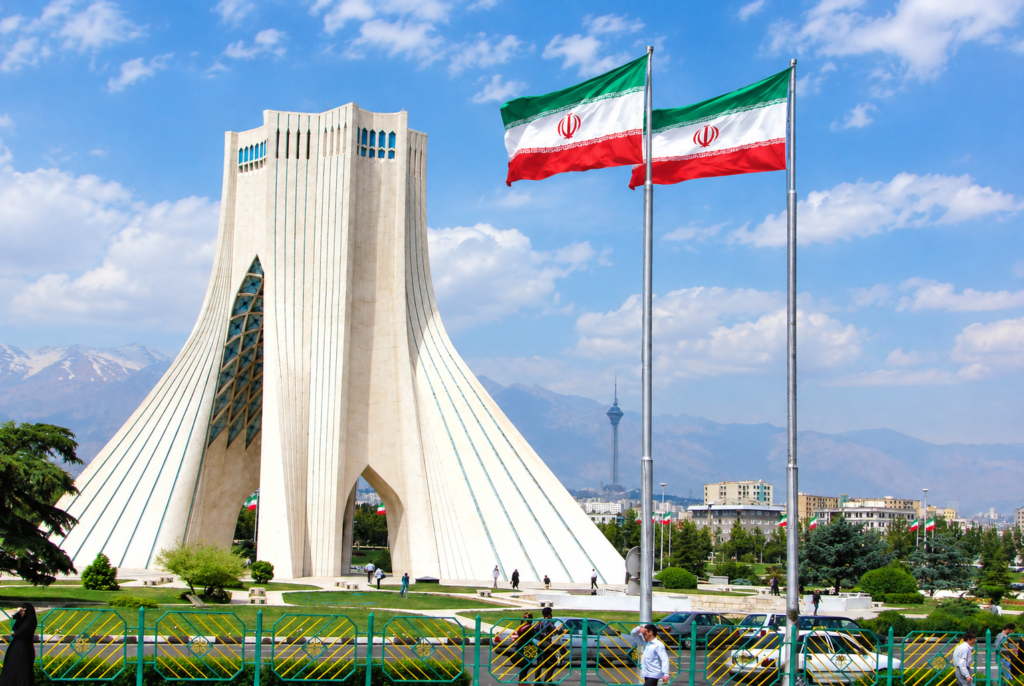
Azadi Tower
Azadi Tower is one of Tehran most famous landmarks. Built in 1971, it combines traditional Persian and modern Iranian architecture and stands as a symbol of Tehran.
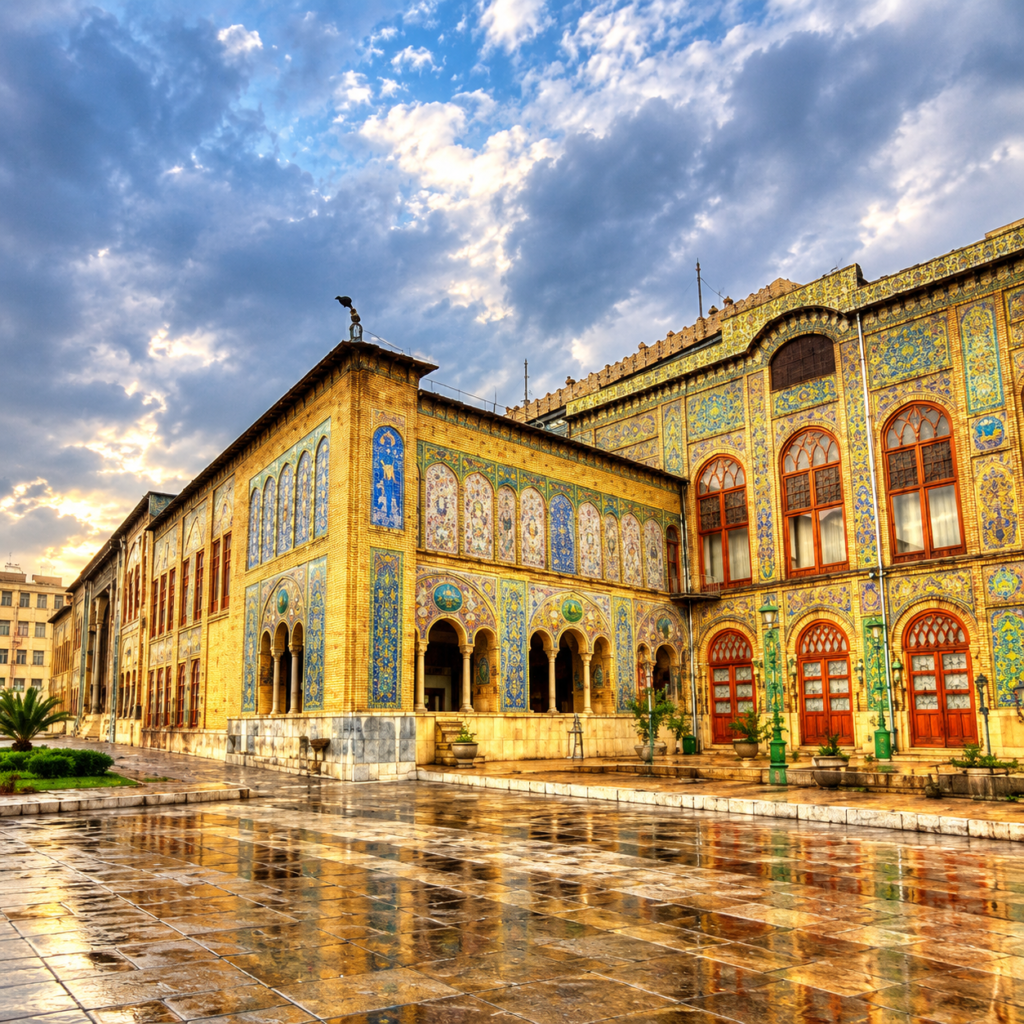
Goleta Palace
Goleta Palace is a historic royal complex and a UNESCO World Heritage Site. It is famous for its beautiful mirror work, telework, gardens, and Qatar-era architecture.
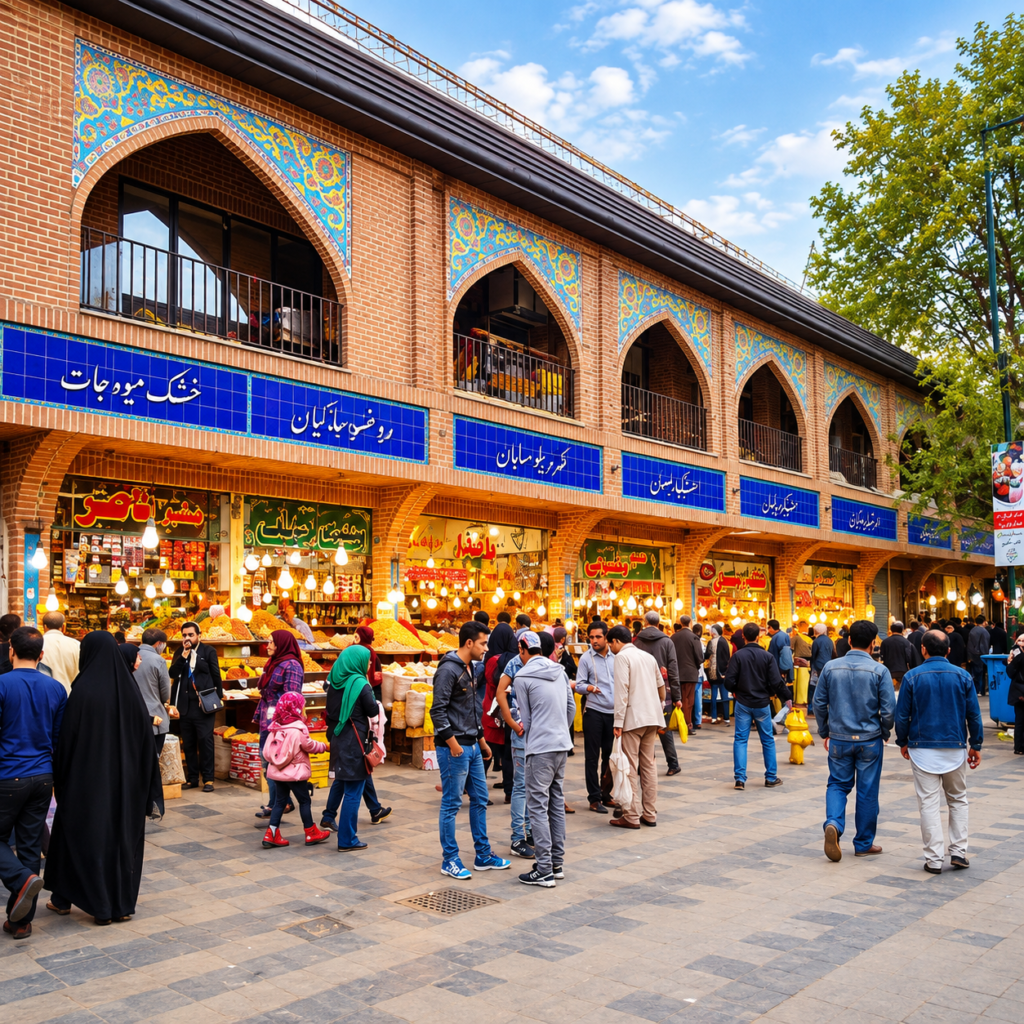
Tehran Grand Bazaar
Tehran Grand Bazaar is one of the city oldest and busiest traditional markets. Visitors can find Persian carpets, spices, jewelry, clothing, and traditional handicrafts.
Conclusion
Canada and the Middle East share important connections in diplomacy, trade, security, education, immigration, tourism, and culture. The Middle East is strategically important because of its energy resources, trade routes, history, and geopolitical influence.
Canada works with countries across the region through economic partnerships, security cooperation, humanitarian assistance, education, and diplomatic dialogue. This article covers Canada relations with Bahrain, Cyprus, Egypt, Iran, Iraq, and other regional countries, including trade, political relations, travel, visas, and people-to-people connections.
Table of Contents

Leave a Reply