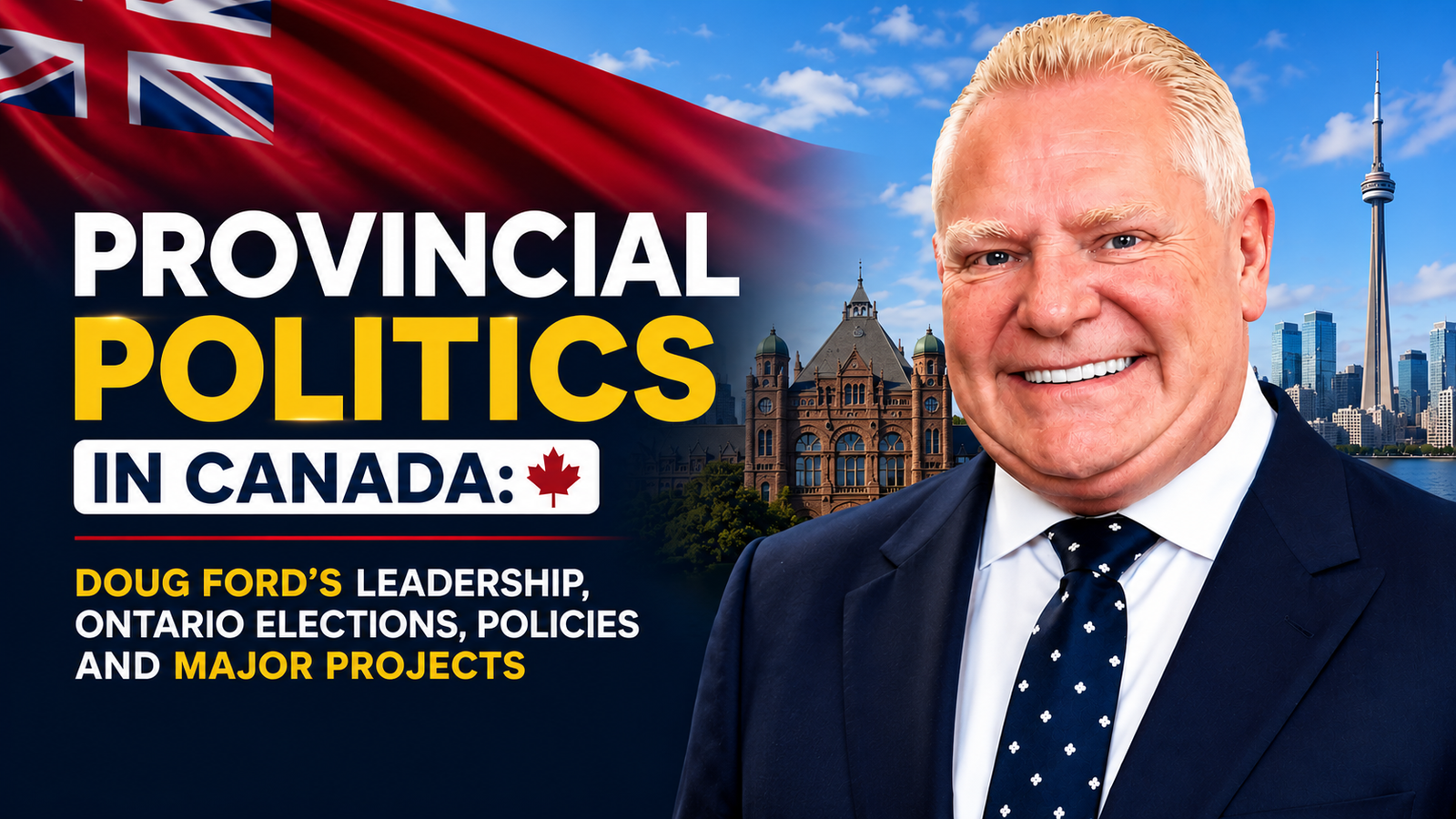
Provincial Politics in Canada 2026
Introduction
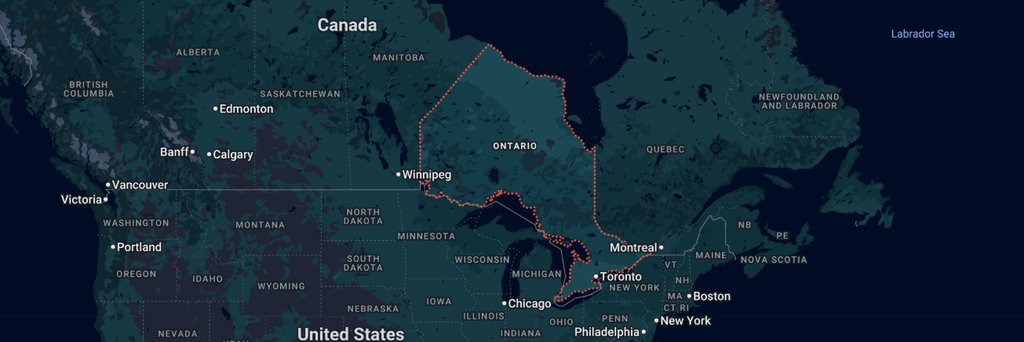
Provincial politics in Canada plays an important role in the everyday life of Canadians. Provincial governments are responsible for major areas such as healthcare, education, transportation, infrastructure, housing, energy, and many other public services. Among Canada’s provinces, Ontario has one of the most influential political systems because of its large population and major economic role.
Doug Ford has been a central figure in Ontario politics since becoming leader of the Ontario Progressive Conservative Party in 2018. He became Premier after the 2018 provincial election and later won majority governments in both 2022 and 2025.
His leadership has focused on economic growth, infrastructure development, highways, public transit, housing, healthcare, education, energy, and attracting investment to Ontario.
This article explains provincial politics in Canada and examines Doug Ford’s political career, family background, elections, leadership style, achievements, criticisms, policies, and major projects. It also looks at how his government has shaped Ontario’s economy, infrastructure, healthcare, education, housing, energy, and future development.
What is provincial politics in Canada?
Provincial politics in Canada is the political system through which Canada’s provinces manage issues that fall under provincial responsibility. Canada has a federal system, meaning power is divided between the federal government and provincial governments. Provincial politics directly affects people’s everyday lives because provinces are responsible for important services such as healthcare, education, highways, social services and many areas of economic development.
What are the main powers and responsibilities of provincial governments?
Provincial governments have responsibility for many important public services. These include healthcare, hospitals, education, provincial highways, natural resources, labor regulations, municipalities and social programs. Provinces also play an important role in economic development, energy policy and infrastructure planning.
How does a provincial government work in Canada?
A provincial government begins with an election. Citizens vote for candidates in their local electoral districts. The party that wins enough seats to command the confidence of the legislature forms the government. Its leader normally becomes Premier and appoints cabinet ministers to manage different departments.
What is the role of a provincial Premier?
The Premier is the head of the provincial government. The Premier sets major government priorities, selects cabinet ministers, leads the government in the legislature and represents the province in discussions with other provinces and the federal government. The Premier also plays a central role in major policy and budget decisions.
How are provincial elections held in Canada?
Provincial elections generally use the first-past-the-post electoral system. Voters elect a representative in their local riding. The candidate who receives the most votes wins the riding. A party that wins a majority of seats can form a majority government.
How are provincial elections held in Canada?
Provincial elections are organized by independent provincial election agencies. In Ontario, Elections Ontario administers provincial elections and publishes official election results. Voters choose candidates who compete for seats in the Legislative Assembly of Ontario.
What is the difference between federal and provincial politics in Canada?
Federal politics deals with national matters such as defense, foreign affairs, citizenship, immigration, criminal law and federal taxation. Provincial politics focuses mainly on healthcare, education, highways, natural resources, municipalities, social services and other areas under provincial jurisdiction.
Doug Ford and Ontario’s Provincial Government:
Who is the Premier of Ontario in 2026?
Doug Ford is the Premier of Ontario in 2026. He is the leader of the Ontario Progressive Conservative Party and has served as Premier since 2018. His government won majority governments in the 2018, 2022 and 2025 provincial elections.
Who is Doug Ford?
Doug Ford is a Canadian politician and businessman. He became one of Ontario’s most important political figures after becoming leader of the Progressive Conservative Party in 2018. He has served as Premier since June 2018 and has built a political career around economic development, infrastructure, healthcare, housing and affordability.
What was Doug Ford’s childhood like in Etobicoke?
Doug Ford grew up in Etobicoke Toronto, in a family that was active in both business and politics. His family owned Deco Labels, a successful printing and label company. Growing up in Etobicoke exposed Ford to local community issues and helped shape the political identity that later became important to his career.
What is Doug Ford’s current role in the Ontario government?
Doug Ford is the Premier of Ontario and leader of the provincial government. He provides overall political direction to the government and works with cabinet ministers on major areas including healthcare, education, infrastructure, housing, energy and economic development.
What is Doug Ford’s educational background?
Doug Ford attended Scarlett Heights Collegiate Institute in Etobicoke and later studied at Humber College. He did not complete a university degree. His career before politics was primarily connected to the family business.
How did Doug Ford’s education influence his political career?
Ford’s political career has been influenced more by his business experience, family background and municipal political experience than by formal academic qualifications. His political communication often focuses on practical solutions, economic growth, affordability and government efficiency.
Doug Ford’s Family and Personal Background:
Who are the key members of Doug Ford’s immediate family, and what are their names?
Doug Ford’s immediate family includes his wife, Karla Ford, and their four daughters. His parents were Doug Ford Sr. and Diane Ford. His siblings include Rob Ford, Randy Ford and Kathy Ford.

Who is Doug Ford’s wife, and what is known about her background?
Doug Ford’s wife is Karla Ford. She has generally maintained a private public profile and has not played a major formal role in Ontario politics. Compared with her husband, she has remained largely outside the political spotlight.
Who was Doug Ford’s father, and what influence did he have on the Ford family?
Doug Ford Sr. was a businessman and Progressive Conservative politician. He was a founder of Deco Labels and served as an Ontario MPP. His combination of business and political experience had a major influence on the Ford family’s public identity.
Who are Doug Ford’s siblings, and which of them have been involved in public life?
Doug Ford’s siblings include Rob Ford, Randy Ford and Kathy Ford. Rob Ford became a Toronto city councilor and later mayor of Toronto. Doug Ford also entered municipal politics before becoming Ontario Premier.
How many children does Doug Ford have, and what are their names?
Doug Ford has four daughters with Karla Ford. Their publicly reported names are Krista, Kayla, Kara and Kyla Ford. The family generally maintains a relatively private life.
What family background helped shape Doug Ford’s political career?
The Ford family’s combination of business, community involvement and politics played an important role in Doug Ford’s career. His father was a businessman and provincial politician, while his brother Rob became a major Toronto political figure. These experiences gave Doug Ford an early understanding of politics and public life.
Which members of the Ford family have played important roles in Ontario’s political history?
Doug Ford Sr., Rob Ford and Doug Ford Jr. are the most prominent members of the family in politics. Doug Ford Sr. served in the Ontario legislature, Rob Ford served in Toronto municipal politics and Doug Ford Jr. became Premier of Ontario.
How is the Ford family connected to Ontario’s political and business world?
The Ford family became prominent through its business activities and political involvement. Deco Labels established the family’s business reputation, while Doug Ford Sr., Rob Ford and Doug Ford Jr. established a significant political presence in Ontario.
How many times has Doug Ford been elected Premier of Ontario?
Doug Ford has won three Ontario provincial elections as leader of the Progressive Conservative Party: in 2018, 2022 and 2025. Each victory produced a majority government.
Why do people like and support Doug Ford as Premier of Ontario?
Ford’s supporters often appreciate his direct communication style, focus on infrastructure, economic development, highways, housing and affordability. Many supporters also see him as a practical and business-minded leader who is willing to take strong political positions.
Did Doug Ford complete a university degree?
No. Doug Ford did not complete a university degree. He studied at Humber College and later developed his career in the family business before entering politics.
What did Doug Ford do before entering politics, and what was his role in the Deco Labels business?
Before entering politics, Doug Ford was a businessman and executive in his family’s company, Deco Labels and Tags, a printing and labeling business founded by his father, Doug Ford Sr. He joined the family business and became involved in its management and expansion.
His Role at Deco Labels
Doug Ford served as president of Deco Labels and Tags, where he helped manage the company’s operations and business growth. During his time with Deco, the company expanded its operations into the United States, including Chicago and New Jersey. His experience running the family business gave him a background in management, sales, and business development before he entered public life.
How did his business background influence his political thinking?
Ford’s business background influenced his focus on taxation, government spending, investment, job creation, infrastructure and economic growth. He frequently presents government as an organization that should focus on practical results and efficient use of public money.
What is Doug Ford’s greatest political strength?
One of Ford’s major political strengths is his ability to communicate simple and direct political messages. He has also shown strong electoral organization and an ability to maintain support across suburban, rural and other parts of Ontario.
What is Doug Ford’s greatest political weakness?
His confrontational political style can be a weakness when controversial policies dominate public debate. Critics argue that his government can sometimes move too quickly or communicate policies in a way that increases political conflict.
Who was Doug Ford Sr., and how did he influence Doug Ford’s political thinking?
Doug Ford Sr. was a businessman and former Ontario MPP. His experience in business and conservative politics provided Doug Ford with an early example of combining entrepreneurship with public service.
How did his brother Rob Ford influence Doug Ford’s political career?
Rob Ford played an important role in Doug Ford’s entry into municipal politics. Rob’s political career in Toronto brought the Ford family name into the center of public attention and helped Doug develop political experience.
How much has Doug Ford benefited from the Ford family’s political legacy?
The Ford name gave Doug Ford recognition and an established political identity, especially in Etobicoke and Toronto. However, his continued electoral success also depends on his own political strategy, campaign organization and relationship with Ontario voters.
How many members of the Ford family have been involved in politics or public life?
The most prominent political figures are Doug Ford Sr., Rob Ford and Doug Ford Jr. Other family members have also been involved in business and community activities.
How important has the Ford family name been to Doug Ford’s political success?
The Ford family name has been an important political advantage because it was already well known in Toronto. However, the name alone cannot explain three consecutive provincial victories.
What do members of Doug Ford’s family think about his political career?
Public information generally indicates that his family has supported his political career, although individual family members have different levels of involvement in public life.
Who is Doug Ford’s wife, Karla Ford, and what information about her is publicly available?
Karla Ford is Doug Ford’s wife and the mother of their four daughters. She generally keeps a private life and has not sought a major political role.
When did Doug Ford and Karla Ford get married, and what is publicly known about their family life?
Doug Ford and Karla Ford have been married for many years and have four daughters. The family generally keeps its personal life away from the center of political attention.
Doug Ford’s Family:
Doug Ford:
Doug Ford was born on November 20, 1964, in Etobicoke, Ontario, Canada, and grew up in a family with strong connections to business and politics. He is the son of Doug Ford Sr. and Diane Ford. His father was a businessman and politician who helped establish the Ford family’s long-standing presence in Ontario’s business and political life.
Doug Ford’s Wife:
Doug Ford is married to Karla Ford. The couple have built their family together while Doug Ford developed his career in business and politics. Karla Ford has generally maintained a private life and has not played a major public political role.

Doug Ford’s Children:
Doug Ford and Karla Ford have four daughters: Krista, Kayla, Kara and Kyla Ford. The familyhas generally kept their personal lives away from extensive media attention.
Because Doug Ford’s children are private individuals, detailed information about their personal lives and careers is limited. They have occasionally appeared at public events, but they have largely remained outside the center of Ontario politics.
Doug Ford’s Parents:
Doug Ford’s father, Doug Ford Sr., was an important influence on the Ford family. He was a businessman and former Ontario MPP who helped build Deco Labels, the family business. His experience in business and politics exposed his children to entrepreneurship and public life from an early age.
Doug Ford’s mother, Diane Ford, was also an important part of the family. Doug grew up in Etobicoke with his siblings, including Rob Ford, Randy Ford and Kathy Ford.
Doug Ford’s Siblings:
Doug Ford’s brother Rob Ford became one of the most well-known members of the Ford family. Rob served as a Toronto city councilor and later became Mayor of Toronto. His political career brought considerable attention to the Ford family and influenced Doug Ford’s own path into politics.
Doug’s other siblings have generally maintained lower public profiles, although the family’s business and political background has remained an important part of Doug Ford’s public identity.
Doug Ford’s Family and Public Life:
The Ford family has played a notable role in Ontario’s business and political history. Doug Ford Sr. was involved in both business and provincial politics, while Rob Ford became a prominent figure in Toronto politics. Doug Ford later entered municipal politics before becoming leader of the Ontario Progressive Conservative Party and Premier of Ontario.
His family background provides important context for understanding his political career. Growing up around business, politics and public service gave Doug Ford early exposure to leadership, entrepreneurship and political debate.
Today, Doug Ford continues to serve as Premier of Ontario, while his immediate family generally maintains a lower public profile. The Ford family’s long connection to Ontario business and politics remains an important part of Doug Ford’s political background and public legacy.
Does Doug Ford’s daughters maintain a private life?
Yes! They generally maintain private lives, and detailed information about their personal careers is limited
Who Is Doug Ford’s Wife, and What Is Known About Her Education and Family?
Karla Ford, also known as Karla Middlebrook, is the wife of Doug Ford, the Premier of Ontario. Karla generally keeps her personal life away from the media and political spotlight, so publicly available information about her educational background is limited. There is no widely documented information confirming which school or college she attended.
Doug Ford and Karla Ford were married on November 12, 1988. In 2022, Doug Ford marked their 34th wedding anniversary. The couple has four daughters: Krista, Kayla, Kara, and Kyla. While Doug Ford has a prominent role in Ontario politics, Karla has largely maintained a private profile and stayed away from the public and political spotlight.
Doug Ford’s Four Daughters: Educational Background
What is Krista Ford Haynes’ educational background?
Krista Ford Haynes, the daughter of Ontario Premier Doug Ford, pursued her higher education at Humber College, where she studied Business Administration. She also completed part of her education at York University.
Who is Krista Ford Haynes, and what role did she play in supporting her husband Dave Haynes during his 2025 Toronto Police Service disciplinary case?
Krista Ford Haynes is the eldest daughter of Ontario Premier Doug Ford, and her husband, Ernest “Dave” Haynes, served as a Staff Sergeant with the Toronto Police Service. In 2025, Dave Haynes faced a disciplinary proceeding under the Police Act involving multiple allegations, including insubordination, breach of confidence, and discreditable conduct.
According to the allegations, he was accused of sending more than 70 confidential police emails to his wife, Krista Ford, and sharing certain information with people who were not authorized to receive it. He was also accused of sending a group email to hundreds of police members in 2023 in which he expressed concerns about police policies and internal issues.
His personal Instagram activity, including posts related to his police work and photographs in uniform, was also raised during the proceedings. However, Haynes and his lawyer disputed the allegations and argued that he was speaking out about staffing shortages, workload, officer well-being, and workplace safety.
Krista Ford Haynes publicly supported her husband and launched a fundraiser in January 2025 seeking $100,000 to help cover the cost of independent legal representation. The case attracted public attention because of Haynes’s position within the Toronto Police Service and Krista Ford’s connection to Ontario’s prominent Ford political family.

Kayla Ford’s Educational Background?
Kayla Ford, the daughter of Ontario Premier Doug Ford, completed her high school education at Richview Collegiate Institute in Toronto. She later attended Wilfrid Laurier University in Waterloo, Ontario, where she studied Psychology. Her official Laurier Athletics profile lists Psychology as her major and shows her as a fourth-year student in 2013.
Public professional information also lists her time at Wilfrid Laurier University from 2010 to 2014. Kayla was also involved in university cheerleading during her studies, representing Laurier as a base on the cheerleading team.
Overall, Kayla Ford’s publicly documented educational background combines a Toronto high-school education with university-level studies in Psychology at Wilfrid Laurier University. Some online sources
describe her as having graduated from Laurier, but the strongest publicly available university record confirms her Psychology major and fourth-year status rather than providing a detailed degree transcript.

Kara Ford’s Educational Background:
Kara Ford, one of Doug Ford’s daughters, received her post-secondary education at Conestoga College in Kitchener, Ontario. She studied Broadcast Television, focusing on areas related to television production, broadcasting, and media communication.
During her time at Conestoga College, Kara gained practical experience in the media field. She was involved with the college’s student television program, Conestoga Connected, where she worked as a host and videographer. This experience gave her an opportunity to develop skills in presenting, video production, and television media.
Publicly available information most clearly identifies Conestoga College as Kara Ford’s educational institution and Broadcast Television as her field of study. There is limited reliable public information about any additional university education or specific degree beyond this program, so those details should not be stated as confirmed without stronger sources.

Kyla Ford’s Educational Background and Career:
Kyla Ford, the youngest daughter of Ontario Premier Doug Ford, has developed an educational and professional background focused on nutrition, health, fitness, and wellness. Publicly available information identifies The Institute of Holistic Nutrition (IHN) in Toronto as an important part of her education. The institute offers a Diploma in Applied Holistic Nutrition and prepares students for the Certified Nutritional Practitioner (CNP) designation.
Kyla’s professional profiles and public information associate her with the field of holistic nutrition and fitness. She has used the Certified Nutrition Practitioner designation and has been involved in fitness-related activities, reflecting her interest in health, nutrition, and wellness. Her background therefore combines formal training in holistic nutrition with practical interests in fitness and healthy living.
Kyla has also pursued entrepreneurship and personal-brand work alongside her interests in health and fitness. Public references have associated her with baking and an online bakery business, adding another dimension to her professional activities.
Overall, Kyla Ford’s publicly documented background is centered on holistic nutrition, fitness, wellness, and entrepreneurship, rather than politics.

Doug Ford’s family influence his political decisions?
His family background has clearly influenced his political identity, but there is no reliable evidence that his family routinely makes government policy decisions. Major decisions are made through the Premier, cabinet and government institutions.
How important is family to Doug Ford?
Family is an important part of Ford’s personal identity. His Etobicoke roots and his family’s history in business and politics have frequently been connected to his public image.
How does the Ford family protect its private life from media and public attention?
The Ford family generally keeps personal matters away from political discussions. Doug Ford’s political activities receive extensive media attention, but his wife and daughters maintain a much lower public profile.
Doug Ford’s Political Career and Elections:
When did Doug Ford first enter politics, and what motivated him to enter public life?
Doug Ford’s formal elected political career began when he was elected as a Toronto city councilor in 2010. His involvement in municipal politics was influenced by his family background, community connections and interest in public affairs.
When did Doug Ford become leader of the Ontario Progressive Conservative Party?
Doug Ford became leader of the Ontario Progressive Conservative Party on March 10, 2018.
What was Doug Ford’s main political message during the 2018 provincial election?
Ford’s 2018 campaign focused on change, lower taxes, reducing electricity costs, controlling government spending, creating jobs and changing the direction of Ontario after years of Liberal government.
How did Doug Ford win the 2018 Ontario provincial election?
The Progressive Conservatives won 76 of 124 seats and formed a majority government. Ford benefited from strong PC support, dissatisfaction with the Liberal government and a campaign focused on change, affordability and economic issues.
What happened in the 2022 Ontario provincial election, and how did Ford win again?
In 2022, Ford’s Progressive Conservatives won 83 seats and formed another majority government. The party received about 40.8 percent of the popular vote. Divided opposition support and Ford’s established political organization helped the PCs remain dominant.
What were the main reasons for Doug Ford’s victory in the 2025 Ontario provincial election?
The 2025 election occurred during a period of economic uncertainty and concerns about U.S. tariffs. Ford presented himself as a strong leader capable of protecting Ontario’s economy. The PCs won 80 seats and approximately 43 percent of the popular vote.
Why did Doug Ford call an early provincial election in 2025?
Ford called the election before the regularly expected 2026 election. He argued that Ontario needed a strong mandate to respond to economic uncertainty, U.S. tariff threats and the challenges facing the province.
Why did Ontario voters give Doug Ford a third consecutive majority government?
Several factors contributed to the victory, including economic concerns, Ford’s established political brand, strong PC organization, his government’s economic and infrastructure agenda and divided opposition support.
Has Doug Ford become one of Ontario’s longest-serving and most influential Premiers?
Yes. Winning three consecutive majority governments has made Doug Ford one of Ontario’s most electorally successful modern premiers. His long period in office has allowed his government to influence infrastructure, healthcare, education, housing, energy and economic policy.
Doug Ford’s Election Record:
How many times has Doug Ford personally been elected as an MPP?
Doug Ford has been elected as an Ontario MPP four times. He was first elected in Etobicoke-Humber in 1995 and later won Etobicoke North in 2018, 2022 and 2025.
In which years did the Progressive Conservative Party win Ontario provincial elections under Doug Ford’s leadership?
The Ontario Progressive Conservative Party won provincial elections under Doug Ford’s leadership in 2018, 2022 and 2025.
What percentage of the popular vote did the Progressive Conservative Party receive in 2018?
The Progressive Conservatives received approximately 40.5 percent of the popular vote in 2018.
What percentage of the popular vote did the Progressive Conservative Party receive in 2022?
The Progressive Conservatives received approximately 40.8 percent of the popular vote in 2022.
What percentage of the popular vote did the progressive conservative party receive in 2025?
The Progressive Conservatives received approximately 43 percent of the popular vote in 2025.
How many seats did the Progressive Conservative Party win in 2018?
The Progressive Conservatives won 76 seats in the 2018 election.
How many seats did they win in 2022?
Progressive Conservatives won 83 seats in 2022.
How many seats did they win in 2025?
The Progressive Conservatives won 80 seats in 2025.
Has Doug Ford’s personal share of the vote increased or decreased over time?
Ford’s vote share in his Etobicoke North riding increased over the three elections. His support rose from roughly 52.5 percent in 2018 to about 55.5 percent in 2022 and around 59 percent in 2025.
Doug Ford’s Support and Public Opinion:
Which regions of Ontario are strongest for Doug Ford and the Progressive Conservative Party?
The Progressive Conservatives have traditionally performed strongly in suburban areas around the Greater Toronto Area, southwestern Ontario, rural Ontario and several northern Ontario communities.
Which regions of Ontario are relatively weaker for Doug Ford?
The PCs have generally been weaker in downtown Toronto and some urban communities where Liberal and NDP support is stronger.
Which demographic groups support Doug Ford the most?
Ford’s support has often been stronger among suburban and rural voters, older voters, small-business communities and people who prioritize lower taxes, economic growth, infrastructure and public safety.
Which demographic groups oppose Doug Ford the most?
Opposition has often been stronger among younger urban voters, progressive voters, some public-sector workers and voters who are particularly concerned about healthcare, environmental policy and private-sector involvement in public services.
Is Doug Ford’s electoral success mainly due to his personal popularity or the strength of the Progressive Conservative Party?
It is a combination of both. Ford’s personal political brand is important, but the Progressive Conservative Party’s organization, candidates, fundraising, geographic support and campaign strategy also play major roles.
How much have the weaknesses of opposition parties contributed to Doug Ford’s continued electoral success?
Opposition weaknesses have contributed significantly. Ontario’s first-past-the-post system rewards parties that win individual ridings. When opposition votes are divided among the Liberals, NDP and other parties, the Progressive Conservatives can win a large number of seats without receiving more than half of the total vote.
What do people in Ontario currently think about Doug Ford?
Public opinion about Doug Ford is mixed. He continues to have strong political support in important parts of Ontario, but his government also faces criticism over healthcare, housing affordability, education, infrastructure and private-sector service delivery
What is Doug Ford’s current approval rating, and how has it changed over time?
Polling in 2026 has shown that Ford’s approval has faced significant pressure. A July 2026 Liaison Strategies poll reported 24 percent approval and 72 percent disapproval for his performance as Premier. Approval ratings can vary between polling organizations and dates, so individual polls should not be treated as a permanent measure of public opinion.
Do people in Ontario see Doug Ford as a strong leader or a controversial political leader?
Ford is seen as both. Supporters view him as decisive and strong, while critics consider his political style confrontational and controversial. His ability to create strong reactions is one of the defining features of his leadership.
Is Doug Ford more popular outside Toronto than in Toronto?
Generally, Ford’s political support has been stronger outside downtown Toronto, particularly in suburban, rural and other parts of Ontario. Etobicoke has remained an important base for the Ford political brand.
Do people in Ontario trust Doug Ford on healthcare?
Opinions are divided. His government has increased healthcare spending and capacity, but concerns remain about wait times, staffing shortages, access to family doctors and the role of private providers.
Do Ontarians believe Doug Ford has improved housing affordability?
There is no clear consensus. Ford’s government has introduced housing policies and invested in infrastructure designed to support construction, but housing affordability remains a major concern across Ontario.
Are people in Ontario satisfied with Doug Ford’s education policies?
Public opinion is divided. Supporters point to curriculum changes, funding and a greater focus on mathematics and skilled trades. Critics, including teachers’ organizations, have raised concerns about class sizes, working conditions and government policy.
Political Leadership Style:
What type of political leader is Doug Ford?
Doug Ford is generally described as a conservative, business-oriented and populist-leaning political leader. His leadership emphasizes economic growth, infrastructure, affordability, direct communication and practical policy.
Can Doug Ford accurately be described as a populist politician?
Ford can reasonably be described as having populist characteristics. He often presents himself as speaking for ordinary taxpayers and challenging government bureaucracy. However, populism alone does not fully describe his political ideology.
Why does Doug Ford use simple and direct political language?
Simple and direct language allows Ford to communicate with a wide range of voters. It also supports his image as a practical businessman rather than a traditional political intellectual.
Is his aggressive political style beneficial or harmful to him?
His aggressive style can help him energize supporters and dominate political discussions. However, it can also create controversy and make it easier for opponents to portray him as divisive.
Does Doug Ford’s tough political tone appeal to voters or strengthen his opponents?
It can do both. Some voters interpret his tough language as evidence of strength and decisiveness, while others see it as unnecessarily confrontational.
Does Doug Ford listen to his political opponents and take their criticism seriously?
Ford faces criticism from opposition parties, teachers’ unions, municipalities, healthcare organizations, environmental groups and other stakeholders. His response varies according to the issue, with some policies being adjusted while others remain central to his government’s agenda.
Is Doug Ford primarily a business-minded politician or a traditional politician?
Ford is strongly business-minded in his political approach. His experience in Deco Labels influenced his emphasis on investment, jobs, infrastructure, taxation and economic growth.
How powerful is Doug Ford within the Ontario Progressive Conservative Party?
Doug Ford has considerable influence within the Progressive Conservative Party. Three consecutive majority victories have strengthened his authority over the party’s political direction, cabinet and legislative agenda.
Doug Ford Government: Achievements and Criticism:
What are the biggest achievements of Doug Ford’s government?
Supporters identify infrastructure expansion, highway construction, transit projects, healthcare capacity, housing initiatives, economic development and investment attraction as major achievements. The government has also pursued large-scale energy and manufacturing projects.
What are the biggest failures of Doug Ford’s government?
Critics point to healthcare pressures, housing affordability, education disputes, environmental concerns, public-sector conflicts and the expansion of private-sector delivery in some healthcare services.
What are the major achievements of Doug Ford’s government in highways, public transit, and infrastructure?
Ford’s government has advanced major projects including Highway 413, the Bradford Bypass, Ontario Line, subway extensions, GO Transit expansion and LRT projects. Ontario’s 2026 capital plan includes more than $210 billion in infrastructure investment over ten years.
What is Doug Ford’s government’s policy on electricity prices in Ontario?
Ford’s government has emphasized electricity affordability while also focusing on increasing electricity supply and supporting industrial investment. Its energy strategy places significant importance on nuclear power, grid expansion and long-term electricity demand.
What major changes has Doug Ford’s government made to Ontario’s education system?
The government has introduced curriculum changes with stronger emphasis on mathematics, financial literacy, skilled trades and employment-related skills. It has also changed policies affecting classroom organization and education-sector funding.
Has Doug Ford’s government reduced public spending, or has spending increased during his time in office?
Overall government spending has increased during Ford’s years in office. Although his government has promoted efficiency and fiscal responsibility, healthcare, infrastructure, population growth and other government programs have contributed to higher overall spending.
Has Ontario’s healthcare system actually improved under Doug Ford?
There have been improvements in funding, hospital capacity and some healthcare services, but significant challenges remain. Wait times, staffing shortages and access to primary care continue to affect the healthcare system.
Why has Doug Ford’s government expanded the delivery of some healthcare services through the private sector?
The government argues that independent and private providers can help increase capacity and reduce waiting times while remaining publicly funded. Critics argue that greater private delivery could weaken public healthcare or move healthcare workers away from hospitals.
What is Doug Ford’s core education policy?
The government’s education approach emphasizes mathematics, financial literacy, skilled trades, practical skills and employment readiness. The goal is to make education more closely connected to future employment and economic needs.
What do Ontario teachers’ unions think about Doug Ford’s government?
Major teachers’ unions have frequently criticized Ford’s government over class sizes, funding, bargaining, working conditions and education policy. Relations between the government and teachers’ unions have often been difficult.
Has education spending increased or decreased under Doug Ford?
Education spending has generally increased in dollar terms during Ford’s time in office. However, there are continuing debates over whether spending has kept pace with enrolment growth, inflation and the needs of schools.
What is the biggest misconception about Doug Ford?
One misconception is that Doug Ford’s political identity can be understood only through controversial statements. His government is also responsible for large and complex policies involving infrastructure, healthcare, education, housing, energy and economic development.
What do Doug Ford’s critics understand about him that his supporters often overlook?
Critics often emphasize the possible consequences of controversial policy decisions, his confrontational communication style and concerns about public services. Supporters, however, may see those same qualities as evidence of political strength and decisiveness.
If Doug Ford had never become Premier, would Ontario be better off today?
There is no objective way to answer this question. Ontario’s condition is influenced by many factors, including federal policies, population growth, global economic conditions, previous governments and international events. Whether Ontario would be better or worse without Ford is ultimately a matter of political judgment.
What political or public force could eventually bring an end to the “Ford era”?
A stronger opposition, falling public support, economic problems, healthcare dissatisfaction, internal party disagreements or a leadership transition could eventually bring the Ford era to an end.
Major Projects and Infrastructure in Ontario:
What were the major projects and infrastructure initiatives of Doug Ford’s government in Ontario from 2018 to 2025?
From 2018 to 2025, Doug Ford’s government introduced and advanced a wide range of major projects across Ontario. Its main focus was on improving transportation, expanding healthcare facilities, increasing housing supply, strengthening energy infrastructure, and supporting economic development.
Major initiatives included Highway 413, the Bradford Bypass, the Ontario Line, hospital expansions, housing-enabling infrastructure, and critical mineral development in Northern Ontario, particularly the Ring of Fire. The government also supported nuclear energy projects and investments in municipal roads, water systems, and other essential infrastructure.
Overall, these projects were aimed at reducing traffic congestion, creating more housing, improving public services, attracting investment, and supporting Ontario’s long-term economic growth.
What were Doug Ford’s most important major projects and infrastructure initiatives in Ontario in 2025?
In 2025, Premier Doug Ford’s government made major infrastructure investment a central part of its economic strategy. Amid growing regional economic pressures, the government presented a capital plan worth more than $200 billion as an important tool for creating jobs, expanding infrastructure and addressing transportation and congestion challenges across Ontario.
What are Doug Ford’s most important infrastructure and transportation projects in Ontario in 2026?
Major transportation projects in 2026 include Highway 413, the Bradford Bypass, Ontario Line, Eglinton Crosstown LRT, Scarborough Subway Extension, Yonge North Subway Extension, Eglinton Crosstown West Extension, GO Transit expansion, Hamilton LRT and the Hazel McCallion Line.
Ontario’s 2026 capital plan calls for more than $210 billion in infrastructure investment over ten years, making transportation and infrastructure central elements of Ford’s long-term agenda.
How is Doug Ford’s government supporting housing development and municipal infrastructure across Ontario in 2026?
The Ontario government is working with municipalities and the federal government to support housing-enabling infrastructure. This includes transportation, water, wastewater and community infrastructure needed to support new housing. In 2026, Ontario and Canada announced an $8.8 billion partnership focused on housing, transit and community infrastructure.
What major initiatives has Doug Ford’s government advanced in 2026 in the critical minerals, defense, energy, and technology sectors?
In 2026, the government has emphasized critical minerals, nuclear energy, electricity generation, artificial intelligence, technology infrastructure, defense-related manufacturing and economic resilience. Ontario is also promoting major energy infrastructure proposals, including the Northern Shield Energy Corridor.
What Is Highway 413, What Are Its Main Goals, and What Economic Impact Is It Expected to Have on Ontario?
Highway 413 Project
The Route: The latest procurement notice covers the section of Highway 413 running from Highway 400 west to The Gore Road, as well as the Highway 427 Extension from Major Mackenzie Drive north to Highway 413.

. Project Goals: The project is being developed as a major transportation initiative aimed at reducing traffic congestion across the Greater Toronto Area (GTA). The highway is expected to include 11 interchanges, accommodate up to 300,000 vehicles per day, and potentially reduce travel times by as much as 30 minutes for some drivers.
Economic Impact: According to provincial estimates, the project could support more than 6,000 jobs annually during construction and contribute over $1 billion to Ontario’s economy, highlighting its potential economic benefits alongside its transportation role.
The Overall Impact of Doug Ford’s Leadership:
What is the overall impact of Doug Ford’s leadership on Ontario’s politics, economy, infrastructure, healthcare, and future development?
Doug Ford has had a major influence on Ontario since becoming Premier in 2018. Politically, he transformed the Progressive Conservative Party into a three-time majority government. Economically, his government has focused on investment, manufacturing, infrastructure and competitiveness.
Infrastructure has become one of the strongest themes of his government, with major highway, transit, energy and housing-related projects. Healthcare has also received increased funding and capacity, although major challenges remain.
At the same time, Ford’s government remains controversial. Healthcare access, housing affordability, education policy, private-sector healthcare delivery, environmental issues and government spending continue to generate debate.
What is the overall conclusion about Doug For
Doug Ford is one of the most important provincial politicians in modern Ontario. His three consecutive majority governments demonstrate significant electoral strength and have given him the opportunity to pursue a long-term political and economic agenda.
His supporters are likely to remember him for highways, public transit, infrastructure, economic development, manufacturing investment and a business-oriented approach to government. His critics are more likely to focus on healthcare pressures, education disputes, housing affordability, private-sector healthcare expansion and his confrontational political style.
Ultimately, the long-term judgment of the Ford era will depend on results. If Ontario’s infrastructure, economy, housing supply, healthcare capacity and public services improve significantly, Ford’s legacy may become stronger. If affordability, healthcare access and public-service pressures remain unresolved, his critics may have a stronger case.
Doug Ford’s political record therefore presents a mixed but highly significant picture: he has been exceptionally successful at winning elections and building political power, while his policies continue to generate strong debate about the future direction of Ontario.
Conclusion:
Provincial politics is a major part of Canada’s political system because provincial governments make important decisions about healthcare, education, housing, transportation, infrastructure, energy, and public services. In Ontario, these responsibilities have made provincial leadership especially important to the daily lives of millions of people.
Doug Ford has become one of the most recognizable and influential figures in Ontario politics. Since becoming Premier in 2018, he has led the Progressive Conservative Party to three consecutive majority governments in 2018, 2022, and 2025. His government has focused heavily on economic growth, highways, public transit, housing, healthcare, energy, and major infrastructure development.
At the same time, Doug Ford’s leadership remains controversial. Supporters point to infrastructure investment, economic development, housing initiatives, and efforts to expand services, while critics raise concerns about healthcare pressures, education, spending, affordability, and the role of private-sector delivery in public services. His political style is often direct and aggressive, which has helped him connect with some voters while creating strong opposition from others.
Overall, the Ford era has had a significant impact on Ontario’s political and economic direction. His long-term influence will ultimately depend on whether his government can turn major projects and policy promises into lasting improvements in housing, healthcare, transportation, education, affordability, and economic opportunity. As Ontario continues to grow and face new challenges, provincial politics and the decisions of its government will remain important to the province’s future.
Opinion:
Doug Ford’s Leadership
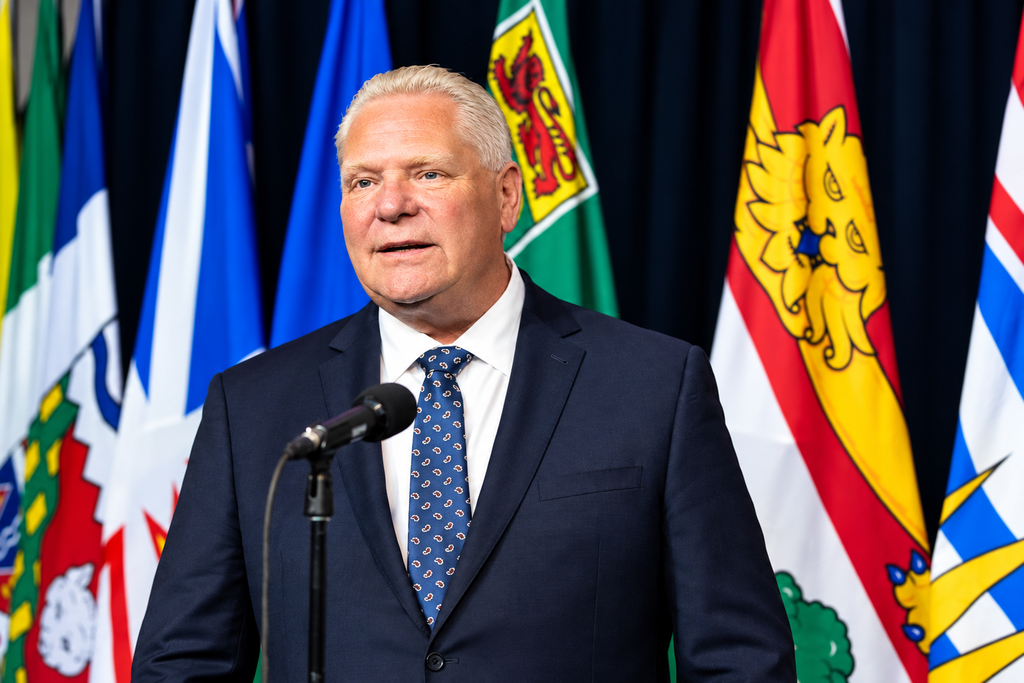
Doug Ford is an influential figure in Ontario’s provincial politics.
His leadership has focused on economic growth and major infrastructure projects.
His government has also made housing and healthcare important policy priorities.
Ford’s continued electoral success shows that he has maintained significant voter support.
- His major projects could shape Ontario’s development for many years.
- However, these projects must deliver real benefits to Ontario residents.
- Housing affordability and healthcare access remain important challenges.
- Government spending, project timelines, and accountability also require attention.
- In my view, Ford’s legacy will depend on the results of his policies.
- Strong economic growth combined with better public services would strengthen his long-term record.
Table of Contents

Leave a Reply