Canada International Relations
Introduction
Canada’s international relationships play an important role in its economy, security, immigration, trade, diplomacy and global influence. From long-standing partnerships with the United States, United Kingdom and France to growing engagement with China, India, Japan, South Korea, Africa, Latin America and the Indo-Pacific, Canada maintains connections with countries and international organizations around the world. Canada Relations
These relationships involve much more than diplomacy. Canada works with its international partners on trade and investment, education, immigration, energy, critical minerals, defence, technology, development assistance, climate change, humanitarian issues and international security. Organizations such as the United Nations, NATO, G7 and G20 also provide important platforms for Canada to cooperate on global challenges.
In 2026, Canada’s foreign policy continues to focus on strengthening economic resilience, diversifying international trade, supporting national and international security, and building strategic partnerships across different regions. At the same time, issues such as conflicts, changing trade policies, migration, Arctic security and geopolitical tensions are shaping Canada’s relationships with other countries.
This guide provides a comprehensive overview of Canada’s international relations, covering its partnerships with Asia, Europe, Africa, Latin America, the Caribbean, the Middle East and North America, as well as Canada’s role in international organizations, global trade, immigration, development cooperation and international conflicts
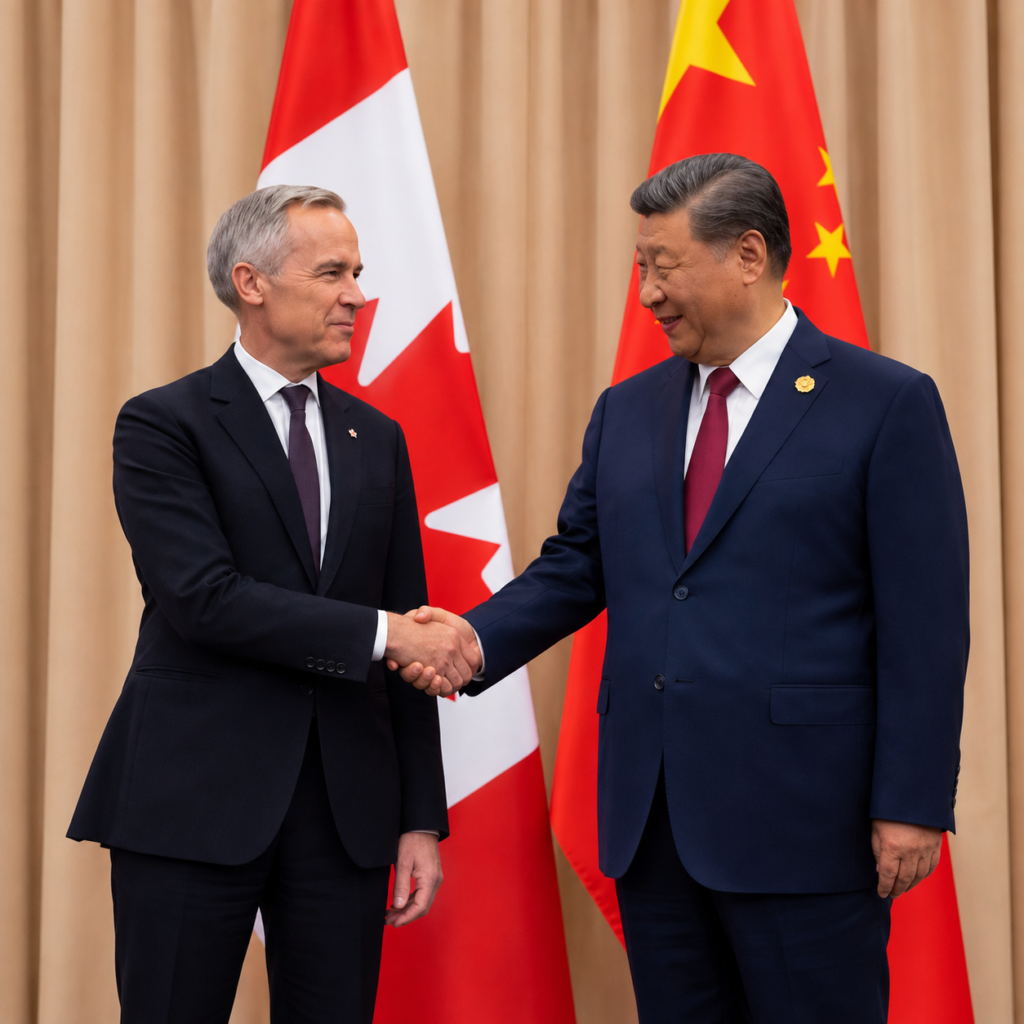
What are Canada or China Relations?
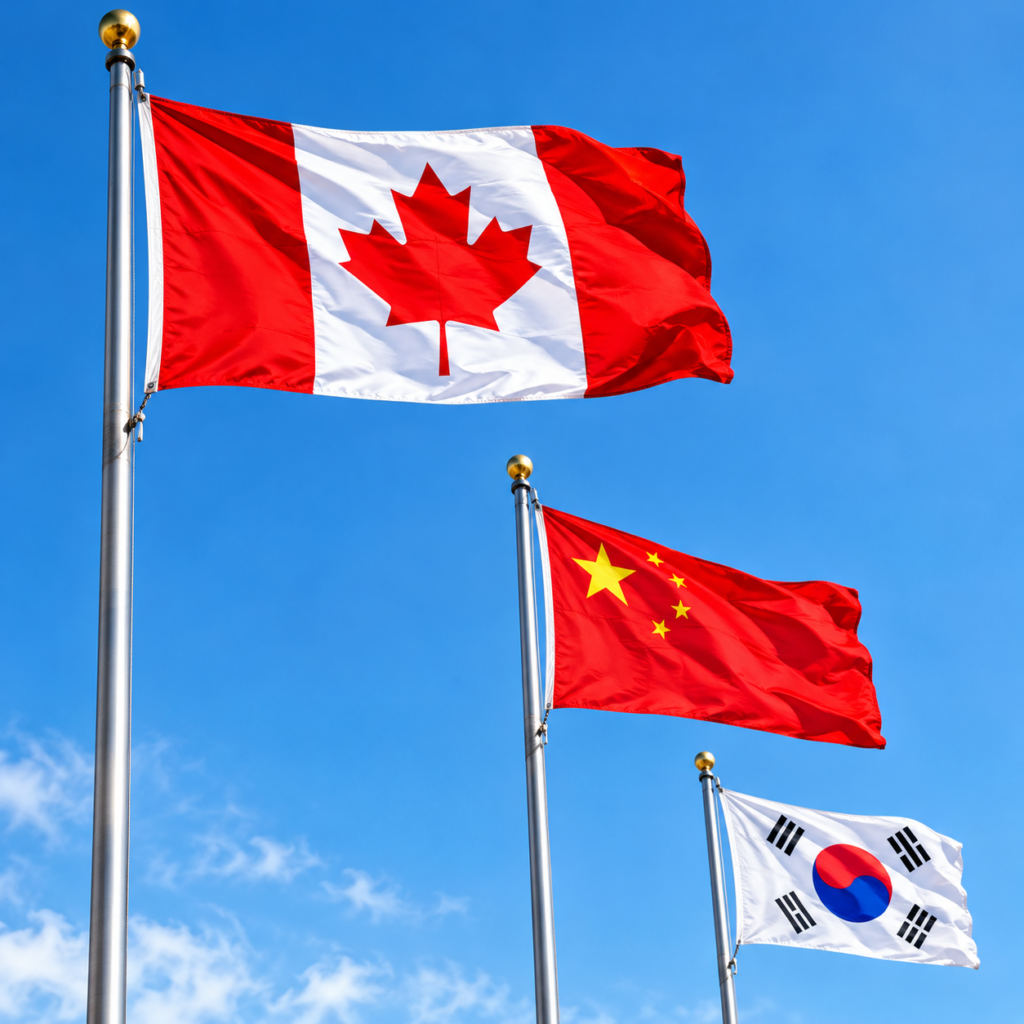
Canada and China have maintained diplomatic relations since 1970. Their relationship includes trade, investment, education, tourism, cultural connections and cooperation through international organizations.
China is Canada’s largest merchandise trading partner in the Indo-Pacific. In 2025, Canada’s merchandise exports to China reached approximately C$34.4 billion, while imports from China were approximately C$90.6 billion.
In 2026, Canada has pursued a more focused engagement with China. The two countries have worked on economic and trade issues while Canada continues to raise concerns involving national security, foreign interference, human rights and other areas. The Canadian government describes its current approach as a narrower strategic partnership focused on areas where cooperation can advance Canadian interests.
What Are Canada Pakistan Relations?
Canada or Pakistan relations refer to the diplomatic, economic, political, immigration, educational, and people-to-people ties between Canada and Pakistan. The two countries maintain diplomatic relations and cooperate in areas such as trade, development, education, immigration, security, and international affairs.
What are Canada and India Relations?
Canada and India have extensive people-to-people, educational, business and cultural connections. India is also an important partner for Canada in trade, technology, energy, agriculture and investment.
In 2026, Canada and India continued efforts to rebuild and expand their bilateral relationship. Prime Minister Mark Carney visited India in February–March 2026, and the two countries moved forward with negotiations toward a potential Comprehensive Economic Partnership Agreement (CEPA).
Trade has also become an important part of the relationship. In 2025, Canadian merchandise exports to India were about C$3.9 billion, while imports from India were approximately C$9.7 billion. In the first half of 2026, Canadian exports to India were showing strong year-to-date growth compared with the previous year.
What are Canada or Japan Relations?
Japan is one of Canada’s major economic and strategic partners in the Indo-Pacific. The two countries cooperate on trade, investment, energy security, critical minerals, technology, defence and regional security.
Canada and Japan are both members of the G7 and the CPTPP, creating important opportunities for economic and diplomatic cooperation. Japan is also an important market for Canadian energy, agricultural products, minerals and other exports.
In March 2026, Canada and Japan strengthened their bilateral relationship following Prime Minister Carney’s visit. The resulting leaders’ joint statement focused on security and defence, economic and energy security, trade and investment, and cooperation between two G7 and Indo-Pacific partners.
What are Canada or South Korea Relations?
Canada and South Korea have developed strong economic, diplomatic and security connections. Their relationship includes trade, investment, energy, critical minerals, technology, education and defence cooperation.
Canada and South Korea are both members of the CPTPP, while South Korea is also an important partner in Canada’s Indo-Pacific strategy. The two countries cooperate on regional security and the Korean Peninsula.
Canada also maintains a military presence connected to the United Nations Command and participates in Operation NEON, which supports international monitoring of UN sanctions against North Korea.
Trade remains significant. In 2025, Canadian merchandise exports to South Korea were approximately C$7.1 billion, while imports were about C$17.9 billion.
What are Canada and Australia Relations?
Canada and Australia have close political, economic, defence and cultural relationships. Both countries are parliamentary democracies, members of the Commonwealth and partners in international organizations.
Their cooperation includes defence, critical minerals, energy, trade, education, research and the Indo-Pacific regional order. Both countries also participate in the CPTPP, which provides a framework for trade across the Pacific.
Australia is an important market for Canadian businesses. In 2025, Canadian merchandise exports to Australia were approximately C$3.4 billion, while Canadian imports from Australia were around C$4.0 billion.
What are Canada or Southeast Asia Relations?
Canada’s Southeast Asia relations include partnerships with countries such as Indonesia, Vietnam, the Philippines, Thailand, Malaysia and Singapore. The region is important for Canada’s trade diversification, investment, security and development cooperation.
Canada became an ASEAN Strategic Partner in 2023 and continues to work through ASEAN-led forums. In 2026, Canada planned to advance trade negotiations with ASEAN while also working on bilateral agreements with countries including the Philippines and Thailand.
Trade with Southeast Asia has also expanded. In 2025, Canadian imports from Vietnam increased by 31% to approximately C$19.3 billion, making Vietnam Canada’s third-largest import partner in the Indo-Pacific region. Canadian exports to Indonesia reached about C$3.0 billion, an increase of 31.7% from 2024.
What Is Canada Asia Trade?
Canada or Asia trade includes energy, minerals, agricultural products, food, machinery, technology, consumer goods and other products. The Indo-Pacific is also an important destination for Canadian services, investment and education.
In 2025, Canada’s two-way merchandise trade with the Indo-Pacific increased 7.4% to C$281.4 billion. Canadian exports to the region reached C83.4 billion,while imports reached C198.0 billion.
Trade diversification has become an important part of Canada’s international economic policy. Global Affairs Canada reported that Canada’s exports to non-U.S. markets increased by 11.1% in 2025, while non-U.S. markets accounted for 32.8% of total Canadian exports.
Canada uses trade agreements such as the CPTPP and the Canada-Korea Free Trade Agreement to support access to Asian markets. It is also pursuing additional trade negotiations, including with ASEAN, India, the Philippines and Thailand.
What Is Canada or Asia Immigration?
Canada’s connections with Asia also include immigration, international education, family reunification, temporary workers and tourism. People from Asian countries contribute to Canadian communities, businesses, universities and the labour market.
Immigration relationships with Asian countries are particularly important because Canada receives newcomers, international students and temporary residents from countries across South Asia, East Asia and Southeast Asia.
Immigration policy is separate from foreign-policy and trade agreements, and eligibility depends on Canada’s federal immigration programs and applicable rules. Canada’s broader Indo-Pacific engagement also includes people-to-people ties, education and skills connections. The Indo-Pacific Strategy identifies stronger people-to-people relationships as one of its major areas of engagement.
What Is Canada’s Indo or Pacific Strategy?
Canada launched its Indo-Pacific Strategy in November 2022 as a 10-year, whole-of-government framework for deeper engagement with the region. The strategy covers diplomacy, trade, security, sustainable development and people-to-people relationships.
The strategy aims to strengthen Canada’s presence in the region, diversify trade and investment, expand partnerships and contribute to regional peace and security. It also includes cooperation with ASEAN, Japan, South Korea, India, Australia and other regional partners.
For 2026–27, Global Affairs Canada identifies the Indo-Pacific as a major area for trade diversification, security partnerships, investment attraction and diplomatic engagement. Planned activities include additional Team Canada trade missions, stronger ASEAN engagement, trade negotiations and expanded regional diplomatic capacity.
What are Canada and United Kingdom Relations?
Canada and the United Kingdom have longstanding political, economic, cultural and security ties. Both countries cooperate through organizations and partnerships including NATO, the G7 and the Commonwealth.
Trade is an important part of the relationship. Since the United Kingdom left the European Union, Canada–U.K. trade has been governed by the Canada–United Kingdom Trade Continuity Agreement (TCA), which entered into force in April 2021. The agreement maintains preferential trade arrangements between the two countries.
The relationship also includes defence, intelligence, education, research, investment and cooperation on international security. Canada and the U.K. continue to work together on European and global security issues.
What are Canada or France Relations?
France is one of Canada’s important European partners. The relationship includes diplomacy, trade, culture, education, science, defence and cooperation through international organizations.
Canada and France share strong connections through the Francophonie, G7, NATO and other multilateral institutions. The two countries also cooperate on issues including climate change, international security, Arctic affairs, Ukraine and global governance.
France is also an important economic partner. Canadian businesses operate in France, while French companies have investments and operations in Canada. The broader Canada–EU economic relationship is supported by CETA, which has been provisionally applied since 2017.
What are Canada and Germany Relations?
Germany is one of Canada’s major European economic and political partners. Cooperation includes trade, investment, energy, advanced manufacturing, science and technology, defence and international security.
Canada and Germany are both members of the G7 and NATO, creating opportunities for cooperation on economic and security issues. Germany is also an important market for Canadian exports within the European Union.
In 2025, Germany was among the EU markets recording notable increases in Canadian exports. Imports from Germany also contributed to the overall growth in Canada–EU trade.
The two countries also cooperate on energy security and the transition to lower-carbon energy systems, as well as on critical minerals and industrial supply chains.
What are Canada or European Union Relations?
Canada and the European Union have a broad strategic partnership covering trade, investment, security, climate, research, technology and international affairs. Their formal relationship dates back to 1959 and has expanded through successive agreements and cooperation frameworks.
The Comprehensive Economic and Trade Agreement (CETA) is a central part of Canada–EU economic relations. CETA has been provisionally applied since September 2017, allowing most of its provisions to operate while the agreement continues through the ratification process in EU member states.
Canada and the EU also cooperate on Ukraine, sanctions, international security, climate policy, research, innovation and rules-based international institutions. In 2025, the EU accounted for 8.6% of Canada’s total merchandise trade, while bilateral merchandise trade increased by 10.9%.
What are Canada or Ukraine Relations?
Canada has maintained close diplomatic, humanitarian, economic and security ties with Ukraine. Since Russia’s full-scale invasion in 2022, support for Ukraine has become a major part of Canada’s European foreign policy.
Canada has provided Ukraine with financial, humanitarian, development and military assistance. In February 2026, the Canadian government stated that Canada had committed more than C$23.5 billion in assistance to Ukraine since 2022.
Canada also supports Ukraine’s sovereignty and territorial integrity and has worked with European and other international partners on sanctions against Russia and efforts toward a lasting peace.
The relationship also includes immigration. More than 300,000 Ukrainians and their family members arrived in Canada through CUAET-related measures. Although the emergency travel program ended, certain Ukrainians already in Canada can continue to access temporary immigration measures.
What are Canada and Russia Relations?
Canada or Russia relations have been significantly affected by Russia’s invasion of Ukraine. Canada has imposed sanctions and other economic measures against Russian individuals, organizations and sectors.
Canada’s current policy includes maintaining economic and diplomatic pressure on Russia while supporting Ukraine’s sovereignty and territorial integrity. Canada coordinates many sanctions and other measures with European allies and G7 partners.
The relationship also involves Arctic security. Canada and Russia are both Arctic states, meaning developments involving the Arctic can have implications for sovereignty, security, transportation, environmental issues and international cooperation.
What Is Canada or Europe Trade?
Canada’s European trade relationships include the European Union, United Kingdom and European Free Trade Association countries. Trade covers energy, minerals, agriculture, machinery, pharmaceuticals, aerospace products, services and investment.
In 2025, Canada or EU merchandise trade increased by 10.9%, with Canadian exports to the EU rising by 23.4%. Major Canadian export markets in the EU included the Netherlands, Germany, France, Italy and Spain.
Several agreements support Canada’s preferential access to European markets. These include CETA with the EU, the Canada–U.K. Trade Continuity Agreement, the Canada–EFTA agreement, and the Canada–Ukraine Free Trade Agreement.
Canada is also working to diversify exports beyond the United States. Global Affairs Canada’s 2026–27 plan identifies Europe as an important region for strengthening trade and investment partnerships.
What Is Canada and Europe Immigration?
Canada Europe immigration includes permanent immigration, temporary workers, international students, family reunification, tourism and humanitarian programs.
European citizens can use Canada’s regular immigration programs, including economic immigration, family sponsorship, study permits and work permits, depending on their individual circumstances. Immigration requirements are established by Canadian law and can change over time.
Ukraine is a particularly significant recent example of Canada–Europe migration. Canada’s special measures for Ukrainians have changed since April 2026, but eligible Ukrainians already in Canada can continue to use certain temporary status and work-permit measures.
Canada’s wider relationship with Europe also includes education, research exchanges, business mobility and tourism, creating additional people-to-people connections.
What are NATO and European Security?
NATO is a major part of Canada’s security relationship with Europe. Canada was a founding member of NATO in 1949 and continues to contribute to the Alliance’s collective defence and deterrence activities.
Canada works with European allies on defence, military readiness, Arctic security, cyber security and regional stability. Canada’s European security role has become particularly important since Russia’s full-scale invasion of Ukraine.
Canada also participates in NATO activities in Eastern Europe. Its defence cooperation with European allies is connected to Canada’s broader foreign-policy objective of working with trusted partners on international security. Global Affairs Canada identifies European cooperation and Arctic defence within NATO as important priorities for 2026–27.
What are Canada and Africa Relations?
Canada or Africa relations include diplomatic, economic, development, security, educational and cultural connections between Canada and African countries. Canada works with individual countries as well as regional and continental institutions such as the African Union.
Canada’s Africa Strategy calls for stronger diplomatic engagement, expanded economic cooperation, support for African-led peace initiatives and increased cooperation on global challenges. It also recognizes the importance of African diaspora communities in Canada.
Canada has also expanded its diplomatic presence and engagement across the continent. Global Affairs Canada’s 2026–27 plan includes implementing the Africa Strategy through country-specific engagement and cooperation with African institutions.
What are Canada or North Africa Relations?
Canada’s North Africa relationships include countries such as Algeria, Egypt, Morocco and Tunisia. Cooperation covers trade, investment, education, migration, development, energy, food security and diplomacy.
North Africa is also important for Canada’s trade diversification. In 2025, Algeria was Canada’s largest export market in Africa, with Canadian merchandise exports of approximately C$1.62 billion. Exports to Morocco reached about C$901 million, while exports to Egypt were approximately C$537 million.
Canada also maintains significant people-to-people connections with North African communities in Canada. These links contribute to education, business, culture, family connections and immigration relationships.
What Are Canada and West Africa Relations?
Canada’s West Africa relations include partnerships with countries such as Nigeria, Ghana, Côte d’Ivoire and Senegal, as well as cooperation with regional organizations.
Trade, development, mining, agriculture, education, security and governance are among the areas of cooperation. Canada also supports initiatives aimed at economic development and peace and security in the region.
Nigeria has become an important Canadian trading partner in Africa. Canadian merchandise exports to Nigeria increased by 56% in 2025 to approximately C$833 million, while imports from Nigeria reached about C$2.4 billion.
What Are Canada or East Africa Relations?
Canada’s East Africa relationships include countries such as Kenya, Tanzania, Ethiopia, Uganda and Rwanda. Cooperation includes development assistance, trade, education, humanitarian assistance, agriculture, health and regional security.
Kenya is an important Canadian partner in East Africa and hosts Canada’s High Commission in Nairobi. Canada also works with regional and international organizations on humanitarian and development challenges affecting the region.
Canadian trade with Kenya increased in 2025. Canadian merchandise exports to Kenya reached approximately C$158 million, an increase of 39.6% from 2024.
What are Canada or South Africa Relations?
South Africa is one of Canada’s most significant partners in Africa. The relationship includes trade, investment, education, science, mining, energy, diplomacy and cooperation through international organizations.
South Africa is also an important economic market. In 2025, Canada’s merchandise imports from South Africa reached approximately C$3.61 billion, while Canadian exports to South Africa were about C$510 million. Gold was a major contributor to the increase in Canadian imports from South Africa.
Canada’s Africa Strategy also identifies South Africa as an important location for economic and development engagement. The strategy includes plans for a FinDev Canada office in South Africa as part of broader efforts to support investment and economic development on the continent.
What Is Canada or Africa Trade?
Canada Africa trade includes agricultural products, minerals, gold, vehicles, aircraft, machinery, food products and other goods. Investment and services are also important parts of the broader economic relationship.
Canadian merchandise trade with Africa reached a record C$18.7 billion in 2025, an increase of 22.5% from 2024. Canadian exports to Africa increased 18.0% to approximately C$6.9 billion, while imports increased 25.3% to about C$11.9 billion.
The largest increases in Canadian exports included motor vehicles and parts, aircraft and transportation equipment, and agricultural and food products. African exports to Canada included significant amounts of gold, minerals and agricultural products.
Canada is also working to expand commercial opportunities through its Africa Trade and Development Program. The program is intended to support trade conditions, regional market integration and private-sector activity.
What Is Canada or Africa Development Cooperation?
Canada has a long history of development cooperation with African countries. Programs have supported areas such as health, education, food security, gender equality, climate adaptation, economic development and youth employment.
Canada’s Africa Strategy states that approximately C$4.5 billion in bilateral international assistance programming was invested in Africa over the five years preceding the strategy. It also reports that Canada’s international assistance to Africa increased by 52% over the preceding eight years.
Canada’s 2026–27 international development approach places greater emphasis on initiatives that can support economic partnerships and shared security interests while continuing to address poverty, human rights and gender equality.
What Is Canada or Africa Immigration?
Canada or Africa immigration includes permanent immigration, temporary work, international students, family reunification, refugees and other immigration programs.
African citizens can apply through Canada’s regular immigration programs when they meet the applicable requirements. These can include economic immigration programs, family sponsorship, study permits and work permits.
Canada also has large African diaspora communities that contribute to business, education, healthcare, culture and communities across the country. Canada’s Africa Strategy specifically identifies stronger engagement with African diaspora communities in Canada as part of its people-to-people approach.
Canadian immigration levels and program requirements can change over time. Immigration, Refugees and Citizenship Canada reported that its 2026 immigration approach is intended to return immigration to sustainable levels, with a focus on permanent residence for people already living and contributing in Canada.
What Is Canadian Aid and International Development?
Canadian aid and international development assistance provide financial, technical and humanitarian support to countries and communities facing development or humanitarian challenges.
In Africa, Canadian assistance has supported health systems, education, economic development, gender equality, climate adaptation, humanitarian responses and youth opportunities. Canada’s strategy also includes support for peace and security initiatives led by African partners.
Canada’s international assistance policy is evolving alongside its broader foreign policy. The 2026–27 Global Affairs Canada plan states that development programming will increasingly focus on high-impact initiatives connected to economic partnerships and shared security interests, while continuing work on poverty reduction, human rights and gender equality.
What are Canada or Mexico Relations?
Canada and Mexico have a long-standing diplomatic and economic relationship. The two countries have more than 80 years of diplomatic relations and cooperate on trade, investment, agriculture, energy, migration, security and environmental issues.
The Canada–Mexico Action Plan 2025–2028 provides a framework for cooperation in four areas: prosperity; mobility, inclusivity and well-being; security; and environment and sustainability. The plan is part of the countries’ Comprehensive Strategic Partnership.
Mexico is also a major Canadian trading partner. In 2025, Canadian merchandise exports to Mexico were approximately C$8.9 billion, while imports from Mexico reached about C$53.4 billion. Canada, Mexico and the United States also continue to operate under the Canada–United States–Mexico Agreement (CUSMA).
In 2026, Canada and Mexico continued cooperation on North American economic, trade, security and foreign-policy issues, including preparations connected to the CUSMA review.
What Are Canada or Brazil Relations?
Brazil is Canada’s largest economy in South America and an important partner for trade, investment, mining, energy, agriculture, science and technology.
Canada and Brazil hold a Strategic Partnership Dialogue that provides a framework for discussing bilateral and international issues. In July 2026, the two countries discussed trade, investment, mining, energy, science and technology, defence, customs, organized crime and sustainable development.
Trade between the countries also increased in 2025. Canadian merchandise exports to Brazil reached approximately C$3.1 billion, up 25.3%, while imports from Brazil reached about C$11.6 billion. Canada and Brazil are also negotiating a potential Canada–Mercosur Free Trade Agreement.
In July 2026, Canada also announced C$125 million in FinDev Canada investments in Brazil, including projects related to sustainable infrastructure, energy access and sustainable aviation fuel
What Are Canada or Caribbean Relations?
Canada’s Caribbean relationships include cooperation with countries such as Jamaica, Barbados, Trinidad and Tobago, Haiti, Guyana and other Caribbean states. Canada also works closely with CARICOM, the Caribbean Community.
Canada and CARICOM cooperate on trade, economic development, climate resilience, security, governance and people-to-people connections. In June 2026, Canada and CARICOM ministers endorsed an action plan focused on competitive and resilient economies, climate action, and regional security and stability.
Security cooperation is particularly relevant to Canada’s relationship with the Caribbean. Canada has supported regional efforts involving maritime security, institutional capacity, transnational organized crime and the situation in Haiti.
Canada also has significant cultural and diaspora connections with Caribbean communities in Canada, contributing to education, business, tourism, culture and family relationships.
What Are Canada or Central America Relations?
Canada’s Central American relationships include countries such as Guatemala, Honduras, El Salvador, Nicaragua, Costa Rica and Panama. Cooperation covers trade, investment, development, migration, climate, security and regional stability.
Canada has trade agreements with several Central American countries, including the Canada–Costa Rica Free Trade Agreement and the Canada–Panama Free Trade Agreement. Canada also participates in regional development and diplomatic initiatives.
Central America is an important area for Canadian development cooperation. Canada’s engagement includes projects involving economic opportunity, governance, climate resilience, gender equality and community development.
Canada also works with Central American countries on migration and regional security. These relationships are connected to Canada’s wider engagement with the Americas and efforts to strengthen economic and institutional partnerships.
What Are Canada or South America Relations?
Canada’s South American relationships include Brazil, Argentina, Chile, Colombia, Peru, Ecuador, Guyana, Uruguay and other countries. Areas of cooperation include trade, mining, energy, agriculture, investment, education, environmental protection and security.
Canada has free trade agreements with countries including Chile, Colombia and Peru, while negotiations are underway with the Mercosur bloc, which includes Argentina, Brazil, Paraguay, Uruguay and Bolivia.
In 2025, Canadian exports to Brazil reached C3.1billion,ChileC1.0 billion, Peru C1.4billionandColombiaapproximatelyC1.1 billion. Canadian imports from these countries also increased in several cases, including significant growth in imports from Peru, Colombia and Brazil.
Canada and South American countries also cooperate on critical minerals, clean energy, agriculture, environmental issues and sustainable development.
What Is Canada–Latin America Trade?
Canada or Latin America trade includes agricultural products, minerals, energy products, machinery, vehicles, fertilizers, gold and other goods. Services, investment and supply chains are also important parts of the relationship.
In 2025, Canadian merchandise exports to Latin America and the Caribbean increased 5.5% to C$20.8 billion, while imports increased 16.0% to C$88.9 billion. Two-way merchandise trade reached a record C$109.7 billion.
Mexico was Canada’s largest trading partner in the region. Canadian exports to Mexico reached C8.9billion,whileimportsreached C53.4 billion. Brazil was Canada’s second-largest export market in the region, with exports of approximately C$3.1 billion
Canada is also working to diversify trade beyond the United States. Global Affairs Canada’s 2026 trade report noted that Canadian exports to non-U.S. markets increased by 11.1% in 2025, reaching 32.8% of total Canadian exports
What Is Canada orLatin America Immigration?
Canada or Latin America immigration includes permanent immigration, temporary workers, international students, family reunification, refugees and other immigration programs.
People from Mexico, Brazil, Colombia, Chile, Peru, the Caribbean and other countries in the region have established communities across Canada. These communities contribute to Canada’s workforce, businesses, education system and cultural life.
Immigration programs are administered under Canadian immigration law. Eligibility for permanent residence, work permits, study permits, family sponsorship and other programs depends on the specific immigration category and the applicant’s circumstances.
Canada also has important people-to-people relationships with Latin American and Caribbean countries through tourism, education, business, family connections and diaspora communities.
What Is Canada or America Security Cooperation?
Canada’s security relationships across the Americas include cooperation on organized crime, human trafficking, migrant smuggling, border security, maritime security, cyber issues and regional stability.
Canada works with countries in Latin America and the Caribbean through bilateral relationships and regional organizations. Cooperation with CARICOM, for example, includes efforts to strengthen institutional capacity and maritime security and address transnational organized crime.
Canada and Brazil also discussed countering organized crime, including human trafficking, migrant smuggling and money laundering, during the July 2026 Strategic Partnership Dialogue.
Security cooperation also includes humanitarian assistance, disaster response, climate resilience and support for institutions in countries facing serious political, economic or security challenges.
What are Canada or United States Relations?
Canada and the United States have one of the world’s most extensive bilateral relationships. The two countries share a long border and closely connected economies, supply chains, energy systems, transportation networks and communities.
The United States remains Canada’s largest trading partner, while Canada is the largest foreign supplier of energy to the United States. Border cooperation, energy security, Arctic issues and defence are important parts of the relationship.
In 2026, Canada and the United States are also dealing with trade measures and the scheduled review of the Canada–United States–Mexico Agreement (CUSMA). The first six-year joint review began on July 1, 2026.
What are Canada and Middle East Relations?
Canada’s Middle East relations include diplomatic, economic, humanitarian, security and development partnerships with countries across the region.
Canada’s engagement covers issues including regional security, humanitarian assistance, trade, energy, international law and efforts related to conflicts in the region. In September 2026, Canada’s foreign minister participated in United Nations discussions concerning the Middle East and support for a two-state solution to the Israeli-Palestinian conflict.
Canada also works with international and regional partners on humanitarian assistance, stabilization and reconstruction efforts.
What are Canada or Asia-Pacific Relations?
The Asia or Pacific region is an important part of Canada’s trade, security and diplomatic strategy. Canada maintains relationships with China, India, Japan, South Korea, Australia and countries throughout Southeast Asia and the Pacific.
Canada’s Indo-Pacific Strategy is a 10-year framework running from 2022 to 2033. It has five broad objectives: promoting peace and security, expanding trade and supply-chain resilience, strengthening people-to-people connections, supporting a sustainable future and positioning Canada as an engaged regional partner.
The strategy has C$2.3 billion in federal funding allocated over its first five years and involves 17 federal departments and agencies.
What are Canada and Europe Relations?
Europe is an important partner for Canada in trade, investment, diplomacy and security. Canada’s relationships include the United Kingdom, France, Germany, the European Union and other European countries.
The Comprehensive Economic and Trade Agreement (CETA) provides a major framework for Canada–EU economic relations. Canada also cooperates with European countries through NATO, the G7, the United Nations and other international organizations.
Security cooperation with European partners has become particularly important because of Russia’s war against Ukraine. Canada continues to work with European allies on defence, sanctions, support for Ukraine and broader European security. Canada’s 2026–27 foreign-affairs plan identifies Europe as a priority area for stronger strategic and economic partnerships.
What are Canada or Africa Relations?
Canada’s relations with Africa include diplomacy, international development, trade, investment, security and people-to-people connections.
Canada’s Africa Strategy provides a framework for deeper engagement with African countries and institutions. It includes economic partnerships, development cooperation, peace and security, diplomatic engagement and stronger relationships with African diaspora communities in Canada.
In its 2026–27 plan, Global Affairs Canada identifies implementation of the Africa Strategy and the development of mutually beneficial economic opportunities with African countries and institutions as priorities.
What are Canada and Latin America Relations?
Canada maintains broad relationships across Latin America and the Caribbean. Mexico, Brazil, Chile, Colombia, Peru and Caribbean countries are among Canada’s important regional partners.
Trade agreements, investment, mining, energy, agriculture, development, immigration and security cooperation are major parts of these relationships.
Mexico has particular importance because of its role in North American trade and CUSMA. Canada is also working with countries across the Americas on trade diversification and regional security.
What Is the United Nations’ Role in Canada?
Canada is a member of the United Nations and participates in the UN General Assembly, international negotiations, specialized agencies and other UN institutions.
Canada uses the UN system to participate in discussions about international peace and security, humanitarian issues, international law, human rights, development and global challenges.
In September 2026, Canada’s delegation participated in the 81st UN General Assembly High-Level Week. Canada’s foreign minister held meetings on Ukraine, the Middle East, Arctic cooperation, maritime security and international law, while also emphasizing Canada’s commitment to international cooperation and the UN system.
What Is NATO’s Role for Canada?
NATO, the North Atlantic Treaty Organization, is a major part of Canada’s defence and international security relationships. Canada was one of NATO’s founding members in 1949.
Canada works with NATO allies on collective defence, military cooperation, Arctic security, cyber security and European security. Canada also contributes military capabilities and personnel to NATO activities.
In May 2026, Canada’s foreign minister met NATO Secretary General Mark Rutte in Brussels to discuss Canada’s contributions to the Alliance and shared security priorities, with particular attention to Arctic security.
What Is the G7’s Role for Canada?
The Group of Seven (G7) consists of Canada, France, Germany, Italy, Japan, the United Kingdom and the United States, with the European Union also participating.
The G7 provides a forum for cooperation on international economic, security and political issues. Canada held the G7 presidency in 2025 and hosted the leaders’ summit in Kananaskis, Alberta.
Although Canada’s 2025 presidency has ended, Canada continues to participate in G7 discussions and cooperation. In September 2026, Canada’s foreign minister held discussions with G7 counterparts during the UN General Assembly High-Level Week.
What Is the G20’s Role for Canada?
The G20 is a major international forum for economic and financial cooperation. Canada is a member alongside other major economies and the European Union and African Union.
Canada participates in G20 discussions covering global economic growth, financial stability, trade, development, climate-related issues and other international economic matters.
The G20 gives Canada an additional platform for working with both traditional partners and emerging economies. Canada’s broader multilateral engagement also includes the G20 alongside the United Nations, NATO, the WTO and other international institutions.
What are International Trade and Diplomacy?
International trade and diplomacy are closely connected to Canada’s foreign policy. Canadian businesses depend on international markets for exports, imports, investment and supply chains.
Global Affairs Canada’s 2026–27 plan identifies trade diversification and economic diplomacy as important priorities. Canada aims to develop new economic partnerships and markets while maintaining major existing relationships, including with the United States.
Canada’s trade relationships include agreements such as CUSMA, CETA and the CPTPP, as well as bilateral and regional trade agreements and negotiations with other partners.
What Is Canadian Foreign Policy?
Canadian foreign policy is the framework through which Canada manages its international relationships and advances its interests abroad. It includes diplomacy, trade, security, development assistance, international law and cooperation with other countries and organizations.
Global Affairs Canada describes its role as developing and implementing foreign policy, supporting international trade, providing humanitarian and development assistance, delivering consular services and contributing to international peace and security.
For 2026–27, Canada’s foreign-affairs plan identifies strategic autonomy, economic resilience, stronger international partnerships and security as important areas of focus. The plan also highlights closer cooperation with Europe and the Indo-Pacific and a renewed economic and security relationship with the United States.
What are International Conflicts and Canada’s Role?
International conflicts can affect Canada through security, trade, migration, humanitarian needs, energy markets, supply chains and diplomatic relationships.
Canada can respond through diplomatic engagement, humanitarian assistance, sanctions, development assistance, military contributions, refugee and immigration measures, and cooperation with international organizations and allies. The specific response depends on the conflict and Canada’s international commitments.
In 2026, Canada’s international agenda includes developments involving Ukraine, the Middle East, Haiti, Arctic security and other global security issues. Canada’s foreign minister discussed several of these issues with international partners during the September 2026 UN General Assembly High-Level Week.
Canada’s 2026–27 foreign-affairs plan also identifies sanctions modernization, peace and security programming, support for Ukraine and international cooperation on global risks as areas of ongoing work.
Final Verdict
Canada’s international relations are shaped by a broad network of economic, diplomatic, security and people-to-people connections. Its partnerships with the United States, Europe, Asia, Africa and Latin America support trade, investment, immigration, education, energy security and international cooperation.
In 2026, Canada is placing greater attention on trade diversification, economic resilience, strategic partnerships and security cooperation while continuing to address major global issues such as conflicts, humanitarian challenges, Arctic security and changing international trade conditions. Canada’s participation in organizations such as the United Nations, NATO, G7 and G20 also gives it platforms to contribute to international discussions and cooperation.
Overall, understanding Canada’s global relationships helps explain how international developments can affect Canada’s economy, security, immigration, trade and role in world affairs.
Table of Contents

Leave a Reply