Canada Politics
Introduction
Canada’s political landscape in 2026 is shaped by federal decisions, provincial priorities, municipal challenges, elections, parliamentary debates, Indigenous affairs, and international relations. From housing affordability and healthcare to economic growth, trade, and national security, political decisions influence the daily lives of Canadians. This guide explores 64 key questions to help readers understand Canada’s political system, major policy debates, and the developments shaping the country’s future.
Parliament & Politics
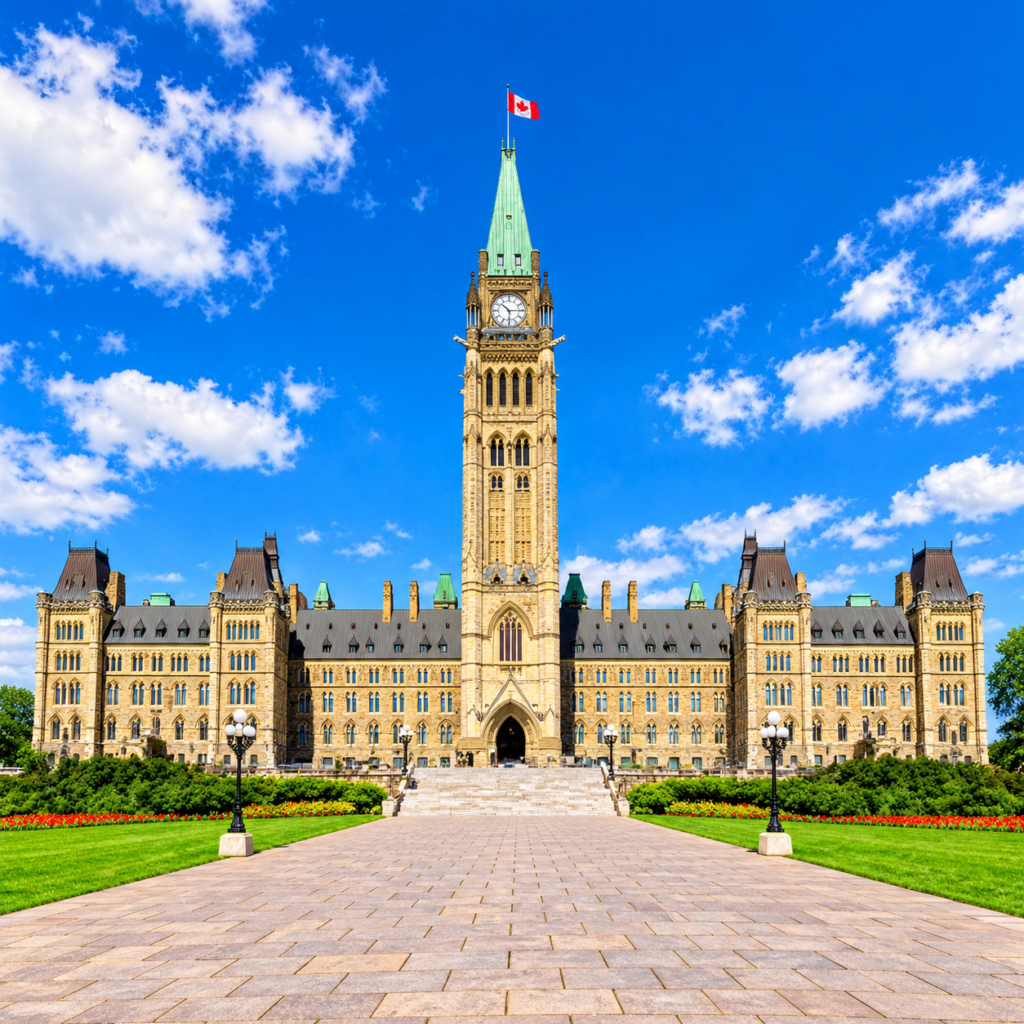
Canada’s political landscape is shaped by federal decisions, provincial priorities, municipal challenges, elections, parliamentary debates, Indigenous affairs, and international relations. These issues influence household costs, housing supply, healthcare, jobs, public services, trade, and Canada’s role in global affairs.
This guide answers 64 key questions about Canadian politics. Because political developments and legislation can change quickly, current bills, policy announcements, and election-related claims should be checked against official government and parliamentary sources.
Federal Politics
What are the major developments in Canadian federal politics?
Canada’s federal political agenda in 2026 includes economic growth, affordability, housing construction, trade diversification, infrastructure, and national security. Parliament is also debating legislation connected to major projects, labour rules, and public services. These developments affect how the government allocates public money and sets national policy.
What are the federal government’s main political priorities?
The federal government has identified building a stronger economy, expanding housing and infrastructure, supporting Canadians facing high living costs, and strengthening security as major priorities. Its international agenda also emphasizes trade diversification and closer relationships with trusted partners. The practical results depend on legislation, funding decisions, and cooperation with provinces and territories.
What are the biggest issues being debated by the federal government?
Major debates include housing affordability, public spending, healthcare, immigration, trade with the United States, energy development, climate policy, and defence spending. Parliament also considers how to speed up major projects while protecting labour rights, environmental standards, and Indigenous rights. Political parties often disagree about the balance between economic growth, regulation, and public services.
How is the federal government addressing the cost of living?
Federal measures include tax relief, benefits for eligible households, housing initiatives, and temporary changes to fuel taxes. The government’s affordability information says a new Canada Groceries and Essentials Benefit began with a one-time top-up in June 2026, followed by increased quarterly payments from July. Eligibility and payment amounts depend on the program rules, and these measures do not automatically reduce every household’s expenses.
What are the major federal economic and fiscal policies?
Federal economic policy combines public investment in housing, infrastructure, and industry with measures intended to support jobs and strengthen Canada’s economic resilience. Fiscal policy also determines taxation, program spending, borrowing, and debt management. The 2026 Spring Economic Update describes priorities including economic diversification, affordability, responsible fiscal management, and investment in major projects.
How is the government responding to trade and tariff pressures?
Canada is pursuing trade diversification and closer economic relationships beyond its traditional dependence on the United States. Its policy agenda includes supporting domestic industries, strengthening supply chains, and working with international partners. Tariffs can raise costs for businesses that rely on imported inputs and may lead to higher prices or retaliatory measures, so the effects vary by industry and product.
What federal policies could affect Canadians and their households?
Federal decisions on taxes, benefits, immigration, healthcare funding, housing, employment, energy, and transportation can affect household budgets and access to services. For example, a change to a tax credit may alter disposable income, while housing or infrastructure investment may influence supply over time. The impact depends on eligibility, location, implementation timelines, and how provincial and municipal policies interact with federal measures.
What are the key issues shaping Canada’s federal political landscape?
Affordability, economic growth, housing supply, healthcare access, immigration levels, energy and climate policy, and Canada U.S. relations are central issues. Public debate also focuses on government spending, national security, Indigenous rights, and the speed of major project approvals. The relative importance of each issue can vary across regions and communities.
Provincial Politics
What are the major developments in Canadian provincial politics?
Provincial political agendas differ across Canada, but healthcare, housing, education, infrastructure, energy, and affordability are recurring priorities. Provinces also make decisions about labour rules, resource development, public safety, and municipal powers. Local economic conditions and election cycles can influence which issues receive the most attention.
What are the main political priorities of Canada’s provincial governments?
Common priorities include improving healthcare access, expanding housing supply, supporting schools, maintaining roads and public transit, and attracting investment. Resource producing provinces may emphasize energy, mining, forestry, or agriculture, while large urban regions often focus heavily on housing and transportation. Each province sets its own agenda according to its needs, finances, and political commitments.
How are provinces addressing healthcare and housing challenges?
Provincial governments manage most healthcare delivery and play a major role in housing policy, planning, and building regulations. Their approaches may include recruiting healthcare workers, expanding hospital or clinic capacity, supporting affordable housing, and changing planning rules. Federal funding agreements can support these efforts, but implementation and service delivery remain dependent on provincial and local capacity.
What are provincial governments doing to improve affordability and infrastructure?
Measures vary, but may include housing programs, transit investments, road and hospital upgrades, targeted tax relief, and support for education or childcare. For example, a September 2026 agreement between Canada and New Brunswick provided funding for housing-related and post-secondary infrastructure, alongside separate health infrastructure support. Such agreements show how federal and provincial governments can share the cost of large projects.
How do public policies differ across Canadian provinces?
Policies differ because provinces have distinct economies, demographics, political priorities, and public finances. They may take different approaches to electricity, natural resources, rent regulation, income taxes, education, healthcare administration, and environmental rules. A policy available in one province may not exist in another, so residents and businesses should consult the government responsible for their location.
What major legislation is being introduced by provincial governments?
Provincial legislatures consider bills on budgets, healthcare, education, housing, employment, energy, policing, and municipal governance. The bills under debate change frequently, and their status may move from introduction to committee review, passage, or royal assent. For current developments, readers should consult the official legislative website for their province rather than assume a proposal has become law.
How are provincial governments responding to economic pressures?
Provincial responses may include targeted business assistance, infrastructure spending, workforce training, tax changes, and measures to attract investment. For example, during British Columbia’s 2026 election campaign, the provincial NDP leader proposed interest-free loans for certain businesses affected by tariffs and wildfires; this was a campaign proposal, not proof that the program was enacted.
What are the key political issues facing provincial governments?
Key issues include healthcare wait times, housing affordability, school capacity, public-sector wages, infrastructure costs, energy policy, and provincial debt. Governments also face pressure to balance public expectations with available revenue and staffing. The specific issues vary by province, so national summaries should be supplemented with regional reporting and official announcements.
Municipal & Local
What are the major issues facing municipalities across Canada?
Municipalities commonly deal with housing shortages, homelessness, public transit, road maintenance, water systems, waste management, and community safety. Population growth can increase demand for services faster than local infrastructure can expand. The Federation of Canadian Municipalities says local governments maintain about 60% of Canada’s essential public infrastructure while receiving a relatively small share of overall tax revenue.
How are Canadian cities addressing housing affordability?
Cities use planning and zoning changes, development incentives, public land, affordable housing partnerships, and faster permit processes to encourage construction. Some programs require affordability commitments in exchange for public support or reduced development charges. The outcomes depend on land availability, construction costs, financing, and cooperation between municipal, provincial, and federal governments.
What are municipalities doing to improve public transit?
Municipalities and transit agencies may expand bus and rail networks, improve service frequency, introduce dedicated bus lanes, modernize stations, and upgrade accessibility. Large transit projects often require provincial or federal funding because construction and operating costs can exceed local budgets. Transit planning also needs to match new housing developments and changing travel patterns.
How are cities dealing with homelessness and housing shortages?
Local responses can include emergency shelters, supportive housing, outreach teams, rent assistance, and partnerships with nonprofit service providers. Municipalities often coordinate with provincial governments, which oversee many housing, health, and social-service programs. Long-term progress usually requires both immediate support and more permanent housing options.
How do property taxes affect homeowners across Canadian municipalities?
Property taxes help pay for local services such as fire protection, libraries, roads, parks, waste collection, and municipal administration. The amount a homeowner pays depends on the municipality’s tax rate, the assessed value of the property, and any applicable credits or exemptions. Rising municipal costs can put pressure on tax bills, but rates and assessment rules differ from city to city.
How are Canadian municipalities preparing for population growth?
Cities plan for growth by expanding housing, transit, water and wastewater systems, schools in partnership with other authorities, and public spaces. They may update zoning rules, approve higher-density development, and coordinate infrastructure plans with regional and provincial governments. If infrastructure funding does not keep pace with population growth, residents may experience congestion, service delays, and higher costs.
What major infrastructure projects are being developed in Canadian cities?
Projects vary by region and can include rapid transit, hospital expansions, water treatment facilities, bridges, roads, and new housing-related infrastructure. Funding is often shared across government levels, and projects can be delayed by permitting, procurement, labour shortages, and construction costs. The most accurate project status comes from municipal capital plans and official project updates.
How are local governments responding to climate and environmental challenges?
Municipalities are investing in stormwater management, flood protection, wildfire preparedness, heat-response plans, public transit, and energy-efficient buildings. Local climate strategies may also include tree planting, waste reduction, and upgrades to water and drainage systems. These efforts are particularly important as extreme weather can damage infrastructure and disrupt essential services.
Elections & Voting
What are the major election developments in Canada?
Election developments include federal and provincial contests, municipal elections, by-elections, changes to electoral legislation, and measures to protect voting systems. Election dates and campaign rules differ across jurisdictions. Voters should use official election authorities to confirm registration, polling locations, identification requirements, and advance-voting dates.
How does Canada’s federal election system work?
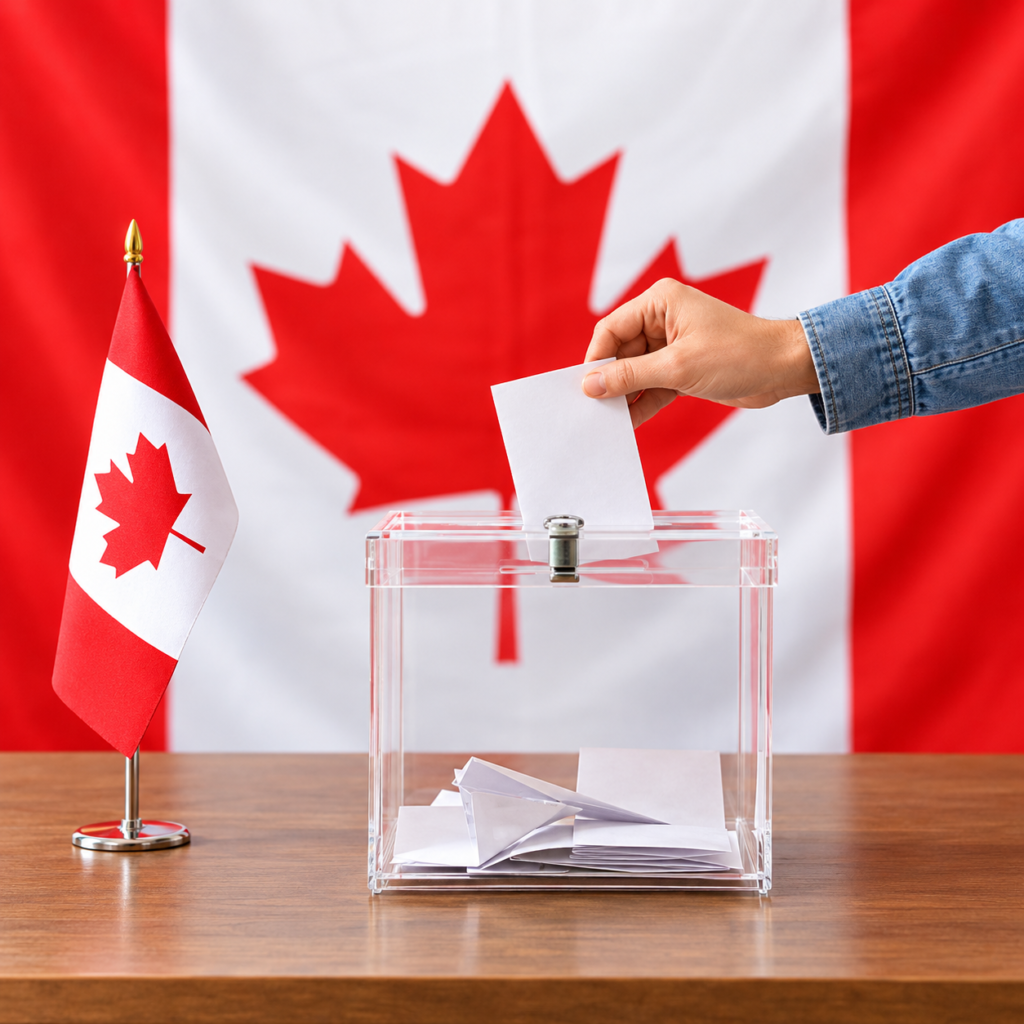
Canada uses a parliamentary system in which voters elect a Member of Parliament (MP) to represent each federal electoral district, also called a riding. The candidate who receives the most votes in a riding generally wins the seat. The party or group able to maintain the confidence of the House of Commons forms the government, and the prime minister is the person who leads that government.
Who is eligible to vote in Canadian federal elections?
To vote in a federal election, a person must generally be a Canadian citizen, at least 18 years old on election day, and eligible to vote under the law. Voters must also establish their identity and address according to Elections Canada’s requirements. Permanent residents and other non-citizens cannot vote in federal elections.
How does Elections Canada administer federal elections?
Elections Canada is the independent, non-partisan agency responsible for administering federal elections and referendums. Its work includes maintaining the National Register of Electors, organizing voting, providing voter information, and enforcing or overseeing aspects of electoral law within its mandate. It also publishes guidance on registration, voting methods, identification, and election security.
What changes are being proposed to Canada’s election laws?
Proposed election law changes can cover political financing, campaign advertising, voter information, online communications, and protections against deceptive election content. Elections Canada has recommended measures to address risks involving social media, AI generated material, and deepfakes. A recommendation or bill is not necessarily law: readers should check Parliament’s legislative records for the current status of any proposal.
How is Canada addressing foreign interference in elections?
Canada uses cooperation among security and intelligence agencies, election authorities, and law-enforcement bodies to identify and respond to potential interference. The Security and Intelligence Threats to Elections Task Force includes CSIS, CSE, Global Affairs Canada, and the RCMP. Measures include monitoring threats, providing security advice, and informing the relevant authorities when potential election-law violations are detected.
How could artificial intelligence and deepfakes affect Canadian elections?
AI can create convincing fake audio, images, and videos that appear to show candidates or officials saying or doing things that never happened. Such content can mislead voters, impersonate election authorities, or undermine confidence in legitimate information. Elections Canada has identified AI-generated misinformation and deepfakes as emerging risks to electoral integrity.
What should Canadian voters know about election security and voting information?
Voters should confirm election dates, polling locations, and voting instructions through official election authorities. They should be cautious about viral posts, suspicious messages, and videos without a verifiable source, especially if the content urges them to ignore official voting procedures. For federal elections, Elections Canada is the primary source for authoritative voting information.
Parliament Updates
What are the latest developments in the Parliament of Canada?
Parliament’s agenda includes bills, committee studies, government spending, opposition motions, and questions about public policy. In October 2026, the official LEGISinfo database listed legislation at different stages, including bills before the House of Commons and Senate. Since parliamentary status can change quickly, readers should verify whether a bill is being debated, has passed one chamber, or has received royal assent.
What major bills are being debated in the House of Commons?
The subjects under debate can include economic development, public safety, labour rules, criminal law, privacy, and international relations. One example appearing in recent October 2026 parliamentary reporting was Bill C-39, a government proposal connected to major-project approvals and labour-related measures. Its provisions and legislative status should be confirmed through Parliament’s official bill record, because news reports may describe proposals or debates before a final decision.
What issues are parliamentary committees examining?
Parliamentary committees examine topics such as government spending, national security, healthcare, immigration, trade, environmental policy, and the administration of public programs. Committees can hear from ministers, public servants, experts, organizations, and members of the public. Their reports can recommend changes or draw attention to issues, but recommendations do not automatically become law.
What are the federal government’s legislative priorities?
Legislative priorities generally reflect the government’s commitments on economic growth, housing, infrastructure, affordability, security, and public services. Bills are introduced and debated in Parliament, where members can propose amendments and scrutinize their effects. The government may also need to negotiate with other parliamentary groups or respond to committee findings before legislation is finalized.
How does the House of Commons debate and pass legislation?
A typical government bill goes through several stages: introduction and first reading, second reading and debate on its principles, committee study, report stage, and third reading. If passed by the House of Commons, it normally proceeds to the Senate, where it also undergoes review. A bill becomes law only after completing the required parliamentary stages and receiving royal assent.
What role does the Senate play in Canada’s parliamentary system?
The Senate is the upper chamber of Parliament. Senators review, debate, and may propose amendments to legislation passed by the House of Commons, and they also study public-policy issues through committees. The Senate’s review can provide additional scrutiny, although the House of Commons is the elected chamber and the government must maintain the confidence of the House.
How does Parliament review and approve federal government spending?
The government presents budgets and spending estimates to explain how public money is expected to be raised and used. Parliament scrutinizes proposed spending through debates, votes, and committee examination, while the Auditor General and other oversight bodies help examine public administration and spending after funds are used. Budget announcements and estimates should be distinguished from the legal authorizations required for particular expenditures.
What parliamentary decisions could affect Canadians?
Parliamentary decisions can affect taxes, benefits, immigration rules, criminal law, employment standards within federal jurisdiction, public spending, and national infrastructure. Legislation can create new rights or obligations, while budget and spending decisions influence the services and programs the federal government can deliver. The impact depends on the final wording, implementation date, and whether other governments must act as well.
Political Parties
What are the major political parties in Canada?
Major federal political parties include the Liberal Party of Canada, Conservative Party of Canada, New Democratic Party (NDP), Bloc Québécois, and Green Party of Canada. Other parties may also register and contest elections. Their representation and influence vary over time, and a party’s federal platform can differ from the policies of its provincial or territorial counterparts.
What are the main policy priorities of Canada’s federal political parties?
Parties develop different proposals concerning taxation, public services, housing, energy, climate policy, immigration, defence, and economic development. Their priorities are outlined in election platforms, leadership statements, policy documents, and parliamentary votes. For an accurate comparison, it is useful to examine each party’s current published commitments rather than rely on broad labels alone.
How do federal political parties differ on economic policies?
Parties may differ on the balance between tax reductions, public investment, deficit management, regulation, industrial policy, and social programs. They may also propose different ways to encourage business investment, improve productivity, or support workers and households. The likely effect of a policy depends on its design, funding, implementation, and the wider economic conditions.
What are the parties’ positions on immigration and housing?
Political parties debate immigration targets, temporary resident rules, settlement support, housing construction, rental affordability, zoning, and the role of federal funding. Some proposals focus on increasing housing supply, while others emphasize population planning, infrastructure capacity, or changes to existing programs. Current positions should be verified through the parties’ official platforms and statements, as policies can change between elections.
How do political parties approach healthcare and climate policy?
Parties may differ in how they propose to fund healthcare, recruit workers, reduce wait times, expand drug coverage, and coordinate with provinces. Climate-policy differences can involve emissions pricing, clean energy investment, industrial regulation, natural-resource development, and adaptation to extreme weather. Since provinces administer many services and environmental rules can overlap across jurisdictions, federal proposals do not always determine the full policy outcome.
What issues are shaping competition among Canadian political parties?
Competition can be shaped by cost of living, housing, jobs, healthcare, immigration, energy, taxes, public safety, and relations with the United States. Regional priorities also matter: issues facing resource-producing communities may differ from those in large metropolitan areas or remote northern communities. Public opinion and party support can shift as economic conditions and political events change.
How do political parties develop their election platforms?
Parties typically develop platforms through policy research, consultations, internal debate, campaign planning, and leadership decisions. Platforms describe proposed actions and priorities, often including spending commitments, tax changes, and legislative plans. A platform is a political commitment rather than an enacted law; implementation depends on election results, available resources, and the legislative process.
What role do opposition parties play in the Canadian Parliament?
Opposition parties question the government, scrutinize proposed legislation, examine public spending, participate in committees, and present alternative policies. They can propose amendments, raise concerns about government decisions, and use parliamentary procedures to seek explanations or accountability. Their influence depends on parliamentary numbers, procedural rules, committee composition, and the issues under consideration.
Indigenous Affairs
What are the major Indigenous affairs developments in Canada?
Indigenous affairs include treaty implementation, reconciliation, land rights, housing, clean water, community infrastructure, economic participation, and access to culturally appropriate services. Governments and Indigenous organizations continue to negotiate agreements and address historical and current disputes. The outcomes differ by community, treaty, legal context, and the priorities established by Indigenous governments.
What are the federal government’s priorities regarding Indigenous communities?
Federal priorities include advancing reconciliation, implementing agreements, supporting community infrastructure, improving essential services, and expanding Indigenous participation in economic development. Funding and programs can address housing, healthcare, education, clean water, and community-led initiatives. Indigenous communities are diverse, so effective policy needs to reflect their distinct needs, rights, and priorities rather than assume one approach fits everyone.
How are treaty rights being addressed in Canada?
Treaty rights arise from historic and modern treaties between Indigenous peoples and the Crown. They can concern land, harvesting, governance, resource sharing, and other obligations, depending on the specific treaty. Governments may address treaty implementation through negotiations, funding agreements, legislation, and court processes, while disputes can remain unresolved where parties disagree about their obligations or interpretation.
What progress is being made on reconciliation with Indigenous peoples?
Reconciliation involves acknowledging historical harms, implementing treaty and legal obligations, supporting Indigenous self-determination, and improving outcomes in areas such as education, housing, healthcare, and community infrastructure. Progress may include negotiated settlements, Indigenous-led programs, and greater participation in decisions that affect Indigenous lands. Reconciliation is an ongoing process, and communities may have different views about the adequacy or pace of government action.
What are the major issues facing First Nations, Inuit and Métis communities?
Issues vary, but may include housing shortages, access to healthcare and education, infrastructure gaps, language and cultural preservation, land rights, economic opportunities, and the effects of historical discrimination. Inuit communities can face distinctive northern infrastructure and transportation challenges, while First Nations and Métis communities have their own legal, regional, and governance contexts. Solutions need to be developed with the affected communities and reflect their specific circumstances.
How are Indigenous communities involved in major economic and infrastructure projects?
Indigenous communities may participate through consultation, environmental review, impact-benefit agreements, employment, procurement, partnerships, or ownership stakes. In June 2026, the federal government announced a loan guarantee intended to support seven First Nations in Ontario in acquiring a significant minority interest in the Darlington New Nuclear Project. Such arrangements can create economic opportunities, while questions about consent, environmental impacts, and treaty rights remain important to individual projects.
What role do Indigenous governments play in Canada’s political system?
Indigenous governments exercise different forms of authority depending on constitutional protections, treaties, legislation, self-government agreements, and other arrangements. They may govern community services, manage lands, establish laws within their jurisdiction, and negotiate with federal, provincial, or territorial governments. Their powers are not identical across communities, and self-government arrangements can differ substantially.
How are Indigenous land rights and resource development being addressed?
Land rights issues may be addressed through negotiations, treaty processes, court decisions, consultation, and agreements concerning resource projects. Governments have responsibilities relating to Indigenous rights when considering decisions that may affect them, and the applicable legal obligations depend on the circumstances. Resource development can create employment and revenue opportunities, but projects may also raise concerns about environmental protection, cultural sites, land use, and community consent.
Foreign Policy
What are Canada’s major foreign-policy priorities?
Canada’s foreign policy focuses on national security, economic resilience, international partnerships, trade diversification, and cooperation on global challenges. The federal government’s 2026 27 departmental plan identifies stronger relationships with the United States, deeper collaboration with Europe and the Indo-Pacific, and a greater focus on Arctic security. It also outlines continued diplomatic and humanitarian engagement in international conflicts.
How is Canada managing its relationship with the United States?
The United States is a major trading and security partner for Canada, making trade rules, tariffs, border management, defence, and supply chains important bilateral issues. Canada’s stated policy includes pursuing a renewed economic and security partnership while strengthening its economic resilience and diversifying trade. The relationship involves both cooperation and negotiations over areas where the two countries’ interests differ.
How is Canada strengthening its relationships with European countries?
Canada works with European partners through NATO, trade and investment relationships, diplomatic cooperation, and coordination on security issues. Its foreign policy plans emphasize collaboration with trusted European allies and support for Ukraine’s sovereignty and territorial integrity. Canada also cooperates with European countries on humanitarian assistance, sanctions, defence, and international rules.
What is Canada’s approach to the Indo-Pacific region?
Canada’s Indo Pacific approach seeks to strengthen economic ties, diversify trade, support regional stability, and build relationships with countries across the region. Its strategy also includes security cooperation, maritime engagement, supply chain resilience, and people to people connections. The region is important because of its economic opportunities and its influence on global security and trade.
What role is Canada playing in NATO and international security?
Canada is a founding member of NATO and participates in collective defence, alliance planning, and security cooperation with allied countries. Its stated priorities include Arctic security and support for Ukraine. Canada’s role also involves defence capabilities, military cooperation, diplomatic engagement, and decisions about national security spending.
How is Canada responding to major global conflicts and humanitarian crises?
Canada responds through diplomacy, humanitarian assistance, sanctions where adopted, support for international institutions, and cooperation with allies. Its 2026 27 foreign policy plan includes support for Ukraine and efforts related to humanitarian, stabilization, and reconstruction needs in the Middle East. The measures used depend on the conflict, Canada’s legal obligations, and decisions made with international partners.
How is Canada expanding international trade and diplomatic partnerships?
Canada is pursuing stronger ties with trusted trading partners and greater diversification to reduce vulnerability to disruptions in any single market. This includes diplomatic engagement, trade and investment initiatives, and cooperation on supply chains, technology, and security. Results depend on negotiations, market access, business investment, and the economic conditions of partner countries.
What international developments could have the biggest impact on Canada?
Developments with significant potential effects include U.S. trade policy, global conflicts, energy-price changes, supply-chain disruptions, Arctic security, and economic conditions in major trading markets. International decisions can influence Canadian exports, jobs, inflation, defence requirements, and diplomatic priorities. The scale of the impact depends on the duration of an event, Canada’s exposure, and the government’s response.
Final Verdict
Canada’s political landscape connects decisions made at every level of government. Federal policies influence taxation, immigration, trade, and national investment; provincial governments shape healthcare, education, and many housing rules; and municipalities deliver essential local services. Parliament, political parties, elections, and Indigenous governments all play important roles in determining how these policies are debated and implemented.
For Canadians, the most important issues to follow include affordability, housing, healthcare, economic growth, infrastructure, election integrity, Indigenous rights, and international relations. Understanding the difference between a proposal, a bill, and an enacted law is essential when following political news. For reliable updates, consult official government announcements, provincial legislatures, Elections Canada, and Parliament of Canada’s LEGISinfo.
Table of Contents

Leave a Reply