Canada Climate & Environment
Introduction
Canada’s climate and environment are shaped by rising temperatures, wildfire risks, changing Arctic conditions, clean-energy development, wildlife conservation, and water quality challenges. Federal, provincial, territorial, and Indigenous governments all play important roles in protecting natural resources and preparing communities for environmental change.
In 2026, key issues include industrial carbon pricing, greenhouse gas reduction targets, renewable electricity, extreme weather preparedness, biodiversity protection, and access to safe drinking water. This guide explores six major areas of Canada’s climate and environment, explaining current policies, environmental challenges, and the actions being taken to support a more sustainable future
Carbon Tax & Policy
What are the latest developments in Canada’s carbon-pricing policies?
Canada’s carbon pricing approach has shifted toward industrial emissions controls. The federal consumer fuel charge was set to zero effective April 1, 2025, while industrial carbon pricing remains an important part of federal climate policy. Provinces and territories operate their own systems or follow federal requirements, depending on whether their policies meet national standards.
How has Canada’s approach to consumer carbon pricing changed?
The federal government removed the consumer fuel charge in April 2025, ending the federal charge that applied to fuels such as gasoline and natural gas. The change reduced the direct federal carbon charge at the pump and on certain household fuels. However, this did not eliminate industrial carbon pricing or other climate-related regulations.
How does industrial carbon pricing work in Canada?
Industrial carbon pricing generally applies to large industrial facilities and creates a financial incentive to reduce greenhouse gas emissions. Facilities that exceed applicable emissions benchmarks may need to pay for excess emissions or submit eligible compliance credits, while stronger performers may earn credits. The exact rules depend on the applicable federal or provincial system.
How do climate policies differ across Canadian provinces and territories?
Climate policies differ because provinces and territories have different energy resources, industrial economies, electricity systems, and emissions profiles. Quebec relies heavily on hydroelectricity, Alberta has a large oil and gas sector, and British Columbia has its own climate policy framework. Federal standards influence the overall direction, but implementation and supporting programs vary across jurisdictions.
What are Canada’s current targets for reducing greenhouse gas emissions?
Canada’s nationally stated climate targets include reducing greenhouse gas emissions by 40 45% below 2005 levels by 2030 and by 45 50% below 2005 levels by 2035. Canada has also committed to achieving net zero emissions by 2050. Reaching these goals requires reductions across electricity, transportation, buildings, industry, and other major emitting sectors.
How are federal climate policies affecting Canadian businesses and industries?
Climate policies can encourage businesses to invest in energy efficiency, cleaner production, low-carbon technologies, and emissions monitoring. Industrial carbon pricing can increase costs for some high-emitting operations while rewarding facilities that reduce emissions relative to applicable benchmarks. The overall effect depends on the industry, energy use, regulatory requirements, and availability of cleaner alternatives.
How are climate policies influencing energy costs and household expenses in Canada?
The removal of the federal consumer fuel charge reduced that particular federal charge on eligible fuels, but it did not guarantee lower overall energy bills. Household expenses are also influenced by global energy prices, provincial taxes, electricity rates, heating systems, and infrastructure costs. Energy efficiency upgrades may reduce consumption over time, although installation can require an initial investment.
How much progress is Canada making toward its national emissions-reduction targets?
Canada has made progress in areas such as cleaner electricity generation and the development of low-carbon technologies, but meeting the 2030 and 2035 targets remains a significant challenge. Progress must be assessed using verified national greenhouse gas inventories and projections rather than individual announcements alone. Emissions from oil and gas, transportation, buildings, and other sectors remain important factors in the overall outlook.
Wildfires & Natural Disasters
What are the major wildfire risks facing Canada?
Wildfires threaten forests, homes, infrastructure, wildlife, and public health across Canada. Prolonged heat, dry vegetation, low rainfall, and strong winds can increase the likelihood of rapidly spreading fires. Canada’s 2026 wildfire season had recorded 4,793 fires and approximately 4.1 million hectares burned by August 18, demonstrating the scale of the challenge.
What are the main causes of wildfires across Canadian provinces and territories?
Wildfires can start through lightning strikes and human activities, including unattended campfires, equipment, and accidental sparks. Their spread depends on weather, vegetation, terrain, and moisture levels. Climate change does not cause every individual fire, but hotter conditions and longer periods of fire conducive weather can make some fires more likely to spread and burn intensely.
How is wildfire smoke affecting air quality and public health in Canada?
Wildfire smoke contains fine particulate matter that can travel long distances and significantly reduce air quality. Exposure can irritate the eyes and throat, worsen breathing problems, and increase health risks, particularly for children, older adults, pregnant people, and those with heart or lung conditions. During smoky conditions, Canadians can monitor local air-quality alerts, reduce strenuous outdoor activity, and use cleaner indoor air spaces.
Which Canadian regions are most vulnerable to wildfires and extreme weather?
British Columbia and Alberta face significant wildfire risks, while northern regions, including parts of the Northwest Territories and northern Manitoba, can also experience dangerous fire conditions. Other hazards vary by location: Atlantic Canada faces coastal storms and flooding, communities near rivers may experience floods, and parts of central and southern Canada face drought and extreme heat. The level of risk changes with seasonal weather and local geography.
What are the biggest flood, storm and drought risks facing Canadian communities?
Heavy rainfall can overwhelm drainage systems and trigger flash floods, while river flooding can threaten homes, roads, and agricultural land. Coastal communities may face storm surges and rising sea levels, and drought can reduce water availability and damage crops. Canada’s 2026 climate assessment warns that further warming is expected to increase the severity of many heavy-rainfall and drought risks, although impacts vary by region.
How is Canada improving wildfire detection, prevention and emergency response?
Canada relies on satellite monitoring, weather forecasts, fire-danger assessments, provincial and territorial wildfire agencies, and emergency-response coordination. Prevention efforts include public safety campaigns, fire restrictions, fuel management, and work to improve community preparedness. Federal assistance can support provinces, territories, and Indigenous communities when fires exceed local response capacity.
How are Canadian communities preparing for natural disasters and climate emergencies?
Communities are strengthening emergency plans, evacuation procedures, public warning systems, and coordination among emergency services. Some are improving drainage, protecting critical infrastructure, reducing wildfire fuels near homes, and identifying safe evacuation routes. Residents can prepare by keeping emergency supplies, understanding local hazards, signing up for alerts, and planning for power outages or temporary displacement.
How is climate change influencing the frequency and severity of extreme weather events in Canada?
Canada’s Changing Climate Report 2026 finds that human-caused warming has increased hot extremes and heat stress, while the fire season has lengthened in most parts of the country. Additional warming is projected to intensify extreme fire weather, drought in central and southern Canada, and heavy precipitation risks. These changes do not mean every individual disaster is caused by climate change; local conditions and natural variability also matter.
Arctic & Northern Canada
What are the biggest environmental challenges facing Canada’s Arctic?
Canada’s Arctic faces declining sea ice, thawing permafrost, changing snow cover, coastal erosion, and pressure on wildlife habitats. Warming temperatures are also affecting glaciers, freshwater systems, and the timing of seasonal ice formation and breakup. These changes have consequences for ecosystems, transportation, infrastructure, and traditional activities in northern communities.
How is climate change affecting communities in Northern Canada?
Northern communities can experience unstable ground, damage to roads and buildings, changing travel conditions, and shifts in access to traditional harvesting areas. Thawing permafrost can undermine foundations, while unpredictable ice conditions can make travel across frozen land and water more dangerous. Adaptation may require improved monitoring, resilient infrastructure, updated emergency planning, and community-led decisions.
How are changes in Arctic sea ice affecting Canada’s environment and economy?
Declining sea ice changes marine habitats and affects animals that rely on ice for feeding, migration, or resting. Longer ice-free periods may create new opportunities for shipping and resource activity, but they also increase environmental risks, including difficult navigation, potential spills, and pressure on sensitive ecosystems. Canada’s climate assessment reports that summer sea ice in Northern Canadian Waters reached approximately 0.74 million square kilometres in 2024.
What impact is thawing permafrost having on Northern Canadian infrastructure?
Permafrost is ground that remains frozen for at least two consecutive years. When it warms and thaws, the ground can settle unevenly, damaging building foundations, roads, airport runways, pipelines, and other infrastructure. Engineering designs, ground-temperature monitoring, and climate-resilient construction can help reduce damage, although adaptation can be expensive and technically challenging.
How is climate change affecting Inuit communities and traditional ways of life?
Changing sea ice, snow conditions, and wildlife movements can affect Inuit travel, hunting, fishing, food security, and the sharing of traditional knowledge between generations. Unpredictable ice may make familiar routes unsafe, while changes to animal habitats can affect harvesting practices. Inuit-led research and decision-making are essential because local observations and cultural knowledge help guide practical adaptation.
What risks do changing Arctic conditions pose to wildlife and biodiversity?
Species that depend on sea ice, cold environments, and stable seasonal cycles may face shrinking habitats or altered access to food. Polar bears, some seal populations, migratory birds, and Arctic marine species can be affected in different ways. New species may also move north as conditions warm, potentially changing food webs and increasing competition or disease risks.
What is Canada doing to monitor and protect its Arctic environment?
Canada uses satellite observations, scientific field research, climate monitoring, wildlife surveys, and sea-ice assessments to track environmental change. Federal, territorial, and Indigenous organizations also work together on protected areas, wildlife management, and community-based monitoring. Canada’s Changing Climate Report 2026 brings together current scientific evidence to help decision-makers understand risks and plan for future conditions.
How are Arctic sovereignty, resource development and environmental protection connected in Canada?
Arctic sovereignty involves Canada’s rights and responsibilities in its northern territories and waters, including navigation, security, and the management of natural resources. Resource development can create employment and infrastructure opportunities, but it can also threaten sensitive habitats and increase pollution risks. Effective planning needs to consider environmental assessments, emergency response capacity, Indigenous rights, and the long-term consequences of development in a rapidly changing region.
Green Energy
What is the current state of Canada’s clean-energy sector?
Canada has a substantial clean-electricity base, supported by hydroelectricity, nuclear power, wind, and solar energy. According to the Fall 2026 Energy Fact Book, Canada generated 623 terawatt-hours of electricity in 2024, with 65% coming from renewable sources and 78% from non-greenhouse-gas-emitting sources. Expanding clean electricity and low-carbon fuels remains important as demand grows.
Which renewable energy sources are most important to Canada’s electricity supply?
Hydroelectricity is Canada’s largest renewable electricity source, accounting for approximately 53% of electricity generation in 2024. Wind and solar are also expanding, while nuclear power provides a substantial source of low-emissions electricity, although it is not classified as renewable. The mix varies considerably between provinces because of differences in geography, infrastructure, and energy resources.
How quickly are solar and wind energy projects expanding across Canada?
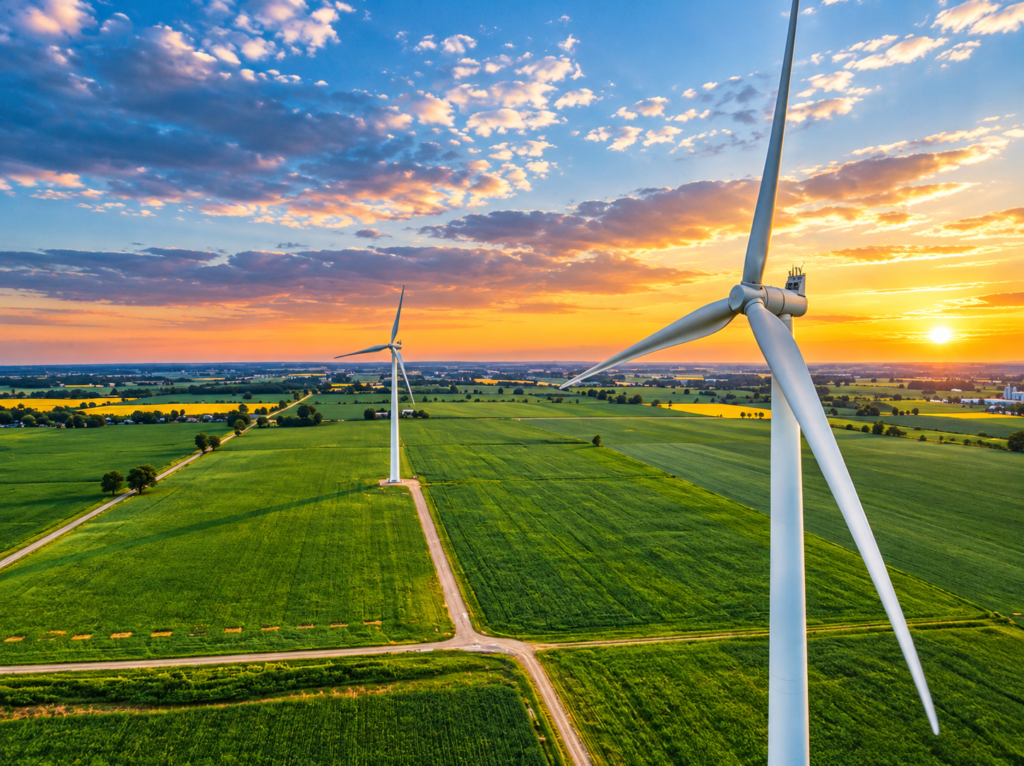
Wind and solar photovoltaic power are identified by the federal Energy Fact Book as Canada’s fastest-growing electricity sources. New projects can help diversify electricity supply and reduce dependence on fossil-fuel generation. However, construction rates differ by province and depend on transmission capacity, project approvals, financing, equipment costs, and the ability to integrate variable electricity production into the grid.
What role does hydroelectric power play in Canada’s clean-energy transition?
Hydroelectricity provides a large share of Canada’s electricity and can supply reliable power with relatively low direct greenhouse gas emissions. Reservoir-based facilities can also help balance changes in demand and the output of wind and solar projects. However, hydroelectric development can affect rivers, fish habitats, land, and Indigenous communities, so environmental protection and meaningful consultation remain important.
How could nuclear power and small modular reactors contribute to Canada’s energy future?
Nuclear power provides reliable, low-emissions electricity that can complement renewable energy. Small modular reactors, or SMRs, are being developed as a potential additional option for electricity generation and some industrial applications. Canada’s Darlington New Nuclear Project is planned to include four SMR units, with the completed project expected to generate enough electricity to power approximately 1.2 million homes. Project delivery, costs, licensing, waste management, and safety remain important considerations.
How is Canada preparing its electricity grid for growing energy demand?
Canada needs new generation, stronger transmission connections, storage, and modernized grid infrastructure to serve population growth, electrified transportation, buildings, and industrial activity. Provinces and utilities are assessing demand forecasts and investing in technologies that can improve reliability. Coordinating projects across jurisdictions is particularly important because clean electricity resources are not distributed evenly across Canada.
What opportunities does clean hydrogen offer Canadian industries and energy producers?
Clean hydrogen could help reduce emissions in sectors where direct electrification is difficult, including certain industrial processes, fertilizer production, and some forms of heavy transport. Canada’s energy resources and existing technical expertise provide potential advantages for developing hydrogen production and related infrastructure. Its wider use will depend on production costs, emissions performance, transport and storage systems, and whether customers can secure reliable long-term supplies.
How are Indigenous communities participating in Canada’s renewable energy projects?
Indigenous communities participate through project ownership, partnerships, investment, consultation, employment, and agreements that share economic benefits. These arrangements can create revenue and local opportunities while allowing communities to influence decisions affecting their lands and resources. For example, a federal-provincial loan guarantee announced in June 2026 is intended to enable seven First Nations in Ontario to acquire a meaningful minority interest in the Darlington nuclear project.
Wildlife & Conservation
What are Canada’s major wildlife conservation priorities?
Canada’s conservation priorities include protecting threatened species, restoring damaged habitats, maintaining biodiversity, and preserving forests, wetlands, oceans, and freshwater ecosystems. Government programs focus on species recovery, habitat protection, and cooperation among federal, provincial, territorial, and Indigenous partners. Canada has also established a goal of conserving 30% of its land and 30% of its oceans by 2030.
Which Canadian wildlife species are currently at risk of extinction?
Canada’s at-risk wildlife includes species such as the North Atlantic right whale, southern resident killer whale, and several populations of caribou, as well as numerous birds, fish, plants, and other animals. Their conservation status varies by species and population, so not every at-risk species faces the same level of danger. Canada’s Species at Risk Public Registry provides official listings, recovery strategies, and information about legal protections.
How do national and provincial parks help protect Canada’s biodiversity?
National, provincial, and territorial parks protect natural habitats and provide space for wildlife to survive with less pressure from development. They can preserve forests, wetlands, mountains, grasslands, and coastal ecosystems while supporting research, environmental education, and carefully managed recreation. Parks alone cannot protect every species, so conservation outside park boundaries is also necessary.
How is habitat loss affecting wildlife populations across Canada?
Habitat loss can result from urban expansion, roads, industrial development, agriculture, forestry, and changes to waterways. Fragmented habitats may prevent animals from reaching food, breeding grounds, and seasonal migration routes. Wildlife populations can become more vulnerable when habitat loss combines with pollution, invasive species, overharvesting, or climate change.
What conservation challenges are facing polar bears, caribou and Canadian whale populations?
Polar bears depend heavily on sea ice for hunting seals, making ice loss a major conservation concern. Caribou populations can be affected by habitat disturbance, industrial development, predation, and changing environmental conditions. Whale populations face different pressures, including underwater noise, ship strikes, fishing-gear entanglement, pollution, and changes in prey availability. Effective conservation requires species-specific monitoring and protection measures.
Why are Canada’s forests, wetlands and freshwater ecosystems important for biodiversity?
Forests provide shelter and food for wildlife, store carbon, and help regulate water cycles. Wetlands support birds, fish, amphibians, and insects while absorbing excess water and filtering some pollutants. Freshwater ecosystems sustain aquatic species and provide drinking water, recreation, and livelihoods. Protecting these connected habitats helps maintain ecological resilience and reduces the effects of environmental degradation.
How are Indigenous-led conservation initiatives protecting Canadian ecosystems?
Indigenous-led conservation initiatives combine community knowledge, cultural responsibilities, scientific monitoring, and long-term ecosystem management. Indigenous Protected and Conserved Areas can help safeguard wildlife habitats, traditional harvesting areas, and culturally significant landscapes. Meaningful Indigenous leadership and decision-making are important for conservation that respects Indigenous rights and supports lasting environmental protection.
How is climate change affecting wildlife habitats and migration patterns across Canada?
Changing temperatures, seasonal snow cover, sea ice, and water availability can alter where species live and when they migrate or reproduce. Some species may move northward or to higher elevations, while others may lose suitable habitat or become isolated. These changes can disrupt food webs and increase competition between species. Canada’s 2026 climate assessment documents widespread changes to snow, ice, glaciers, and permafrost that can affect ecosystems.
Pollution & Water
What are the biggest pollution challenges facing Canada?
Canada faces air pollution, contaminated industrial sites, plastic waste, agricultural runoff, and pollution affecting lakes, rivers, and coastal waters. The scale and sources of pollution vary by region, from urban traffic emissions to industrial discharges and agricultural chemicals. Addressing these problems requires effective environmental regulations, monitoring, pollution prevention, infrastructure investment, and cooperation between governments and communities.
What are the main sources of air pollution in Canadian cities?
Major sources include road traffic, industrial facilities, power generation, construction dust, residential wood burning, and emissions from certain commercial activities. The contribution of each source depends on local conditions and the season. Air quality can also be affected by pollution carried across long distances and by wildfire smoke, which may cause severe pollution episodes even far from the fires themselves.
How is wildfire smoke affecting air quality across Canada?
Wildfire smoke can spread across provincial and territorial boundaries, creating unhealthy air even in places where no fires are burning nearby. Fine particles can penetrate deep into the lungs and aggravate respiratory and cardiovascular conditions. Canadians can reduce exposure by following air-quality advisories, limiting strenuous outdoor activity during severe smoke events, and using suitable air filtration when available.
What are the major drinking-water challenges facing Canadian communities?
Drinking-water challenges include aging treatment systems, inadequate infrastructure, contamination, source-water protection, and the high cost of maintaining systems in remote communities. Floods, droughts, and changing seasonal conditions can place additional pressure on water supplies. Reliable access requires regular testing, trained operators, effective treatment systems, and long-term investment in infrastructure and maintenance.
How is Canada addressing plastic waste and environmental pollution?
Canada uses a combination of waste-management programs, recycling initiatives, producer-responsibility measures, pollution-prevention policies, and restrictions targeting certain plastic products. Governments, businesses, and communities also promote reusable products and better waste collection. Reducing plastic pollution requires attention to the full life cycle of products, including design, production, consumption, recycling, and safe disposal.
What measures are being taken to protect Canadian lakes, rivers and freshwater resources?
Measures include monitoring water quality, protecting watersheds, improving wastewater treatment, managing agricultural runoff, and restoring wetlands and aquatic habitats. Federal and provincial programs also support research and action on contamination and ecosystem health. Protecting freshwater requires coordination because pollution and water shortages can affect communities and ecosystems far downstream from their original sources.
How does industrial pollution affect Canadian communities and natural ecosystems?
Industrial pollution can release contaminants into air, soil, and water, potentially affecting human health, wildlife, and local livelihoods. Its effects depend on the substances involved, the level and duration of exposure, and the sensitivity of the surrounding ecosystem. Environmental assessments, emissions limits, inspections, remediation, and public reporting help manage risks, but contaminated areas may require long-term monitoring and cleanup.
What is Canada doing to improve access to safe drinking water in First Nations communities?
Canada has funded water infrastructure, system upgrades, operator support, and work to resolve long-term drinking-water advisories in First Nations communities. Progress has been made, but challenges remain. As of September 10, 2026, federal figures reported 38 active long-term advisories affecting public water systems in 36 communities, demonstrating the need for continued investment, reliable operations, and long-term community-led solutions.
Final Verdict
Canada’s climate and environmental future depends on progress across several connected priorities: reducing greenhouse gas emissions, preparing for wildfires and extreme weather, protecting the Arctic, expanding clean energy, conserving wildlife, and ensuring safe water for all communities.
The evidence in Canada’s Changing Climate Report 2026 highlights that climate change is already affecting temperatures, snow and ice, water availability, and extreme weather. At the same time, Canada has important clean-energy resources and conservation initiatives that can support long-term progress.
The key challenge for Canada is turning its climate commitments into measurable results while balancing economic development, energy affordability, Indigenous rights, public health, and environmental protection.
Table of Contents

Leave a Reply