Canada Politics October 2026
Introduction
Canada’s political landscape in October 2026 is being shaped by major developments at the federal, provincial, and municipal levels. From Prime Minister Mark Carney’s economic and infrastructure agenda to provincial elections, Alberta’s referendum, and major municipal races, several political issues are directly connected to Canada’s economy, housing, healthcare, immigration, energy, and cost of living. Parliament is also returning for its fall sitting, bringing new debates over legislation, government spending, major projects, and Canada’s relationship with the United States.
At the same time, Canada’s political discussion extends beyond domestic policy. Relations with the United States, trade diversification, cooperation with Europe and the Indo-Pacific, Arctic security, Indigenous participation in major projects, and Canada’s role in NATO are all contributing to a broader debate about the country’s economic and strategic future. Provincial and municipal governments are also dealing with housing affordability, infrastructure, public transit, healthcare, and local finances, showing how decisions at different levels of government affect Canadians in their daily lives.
This comprehensive guide to Canada’s politics in October 2026 explains the most important federal, provincial, and municipal developments, upcoming elections and voting processes, parliamentary priorities, political party positions, Indigenous affairs, and Canada’s foreign-policy direction. It brings these issues together to provide a clear overview of what is happening across Canada and why these political developments matter.
Federal Politics
What are the most important developments in Canada’s federal politics in October 2026?
In October 2026, major federal political issues include energy policy, Canada-U.S. trade, relations with Alberta, immigration, affordability, and major infrastructure projects. Parliament is scheduled to resume its fall sitting on October 5, while the federal government is advancing the Pacific Link pipeline as a project of national interest. Cooperation between Prime Minister Mark Carney and Alberta Premier Danielle Smith is also an important development. Opposition parties are increasing scrutiny of the government’s economic, immigration, and energy policies.
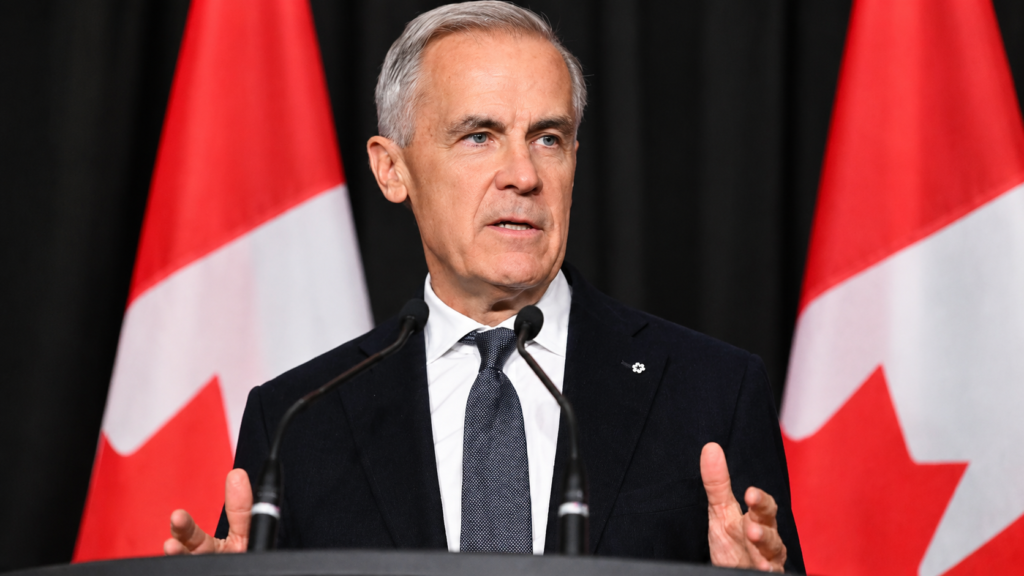
What major issues is Prime Minister Mark Carney’s government focusing on?
The Carney government’s current agenda covers economic growth, infrastructure development, trade diversification, energy security, housing, and investment. The government is using the Building Canada Act and the Major Projects Office to accelerate the approval of major projects. Pacific Link and carbon-capture investment are being presented as part of a broader economic transformation strategy. The government’s stated objective is to expand Canada’s non-U.S. exports and attract greater investment.
What are the federal government’s current economic priorities?
The federal government’s economic priorities include strengthening infrastructure, investment, export diversification, energy development, and domestic economic capacity. Pacific Link has been connected to the government’s broader strategy of reducing Canada’s dependence on the U.S. energy market. The government is also focusing on making the approval process for major projects more predictable. Housing, employment, and public infrastructure remain important parts of the economic policy discussion.
How are Canada-U.S. trade relations affecting federal politics?
Canada-U.S. trade relations are a major issue in federal politics because the United States remains Canada’s most important trading partner. The current federal strategy places greater importance on trade diversification and Canada’s economic resilience. Pacific Link has also been presented in this context because the government says additional West Coast export capacity could reduce Canada’s reliance on U.S. markets. Trade tensions are therefore directly connected to discussions about energy, manufacturing, investment, and broader economic policy.
Why is the Pacific Link pipeline important in federal politics?
Pacific Link is important because the federal government has officially listed the proposed West Coast oil pipeline as a project of national interest under the Building Canada Act. Canada and Alberta are expected to share ownership, while Indigenous communities will be offered at least 10% ownership interest. The government says the project could enable an additional one million barrels of oil exports per day to Asian markets. It has also linked the project to jobs, investment, export diversification, and reduced dependence on the U.S. market.
What developments are taking place between the federal government and Alberta?
Relations between Ottawa and Alberta are currently focused heavily on energy development and major infrastructure. Prime Minister Carney and Premier Danielle Smith have been working together on the proposed Pacific Link pipeline and the Pathways carbon-capture project. Canada and Alberta have agreed to share ownership of Pacific Link, with Indigenous participation built into the proposed structure. At the same time, political disagreements remain over federal policies and Alberta’s broader relationship with Ottawa.
What objections are opposition parties raising about federal government policies?
Opposition criticism is focusing on areas including immigration, affordability, economic policy, and the government’s approach to major energy projects. Conservative MPs have questioned the details, costs, construction timeline, and financing of Pacific Link and argued that taxpayers should not carry unnecessary project risks. Conservatives have also criticized the government’s immigration direction. These are opposition positions and should be distinguished from the federal government’s stated policy objectives.
How are immigration, housing, and affordability shaping the federal political debate?
Immigration, housing costs, and affordability remain important issues because they directly affect household finances, housing demand, and access to services. Government policy is being discussed alongside concerns about economic growth and the cost of living. Opposition parties are using these issues to challenge the government’s approach, particularly regarding immigration and affordability. Housing policy is also receiving attention through federal investments and discussions about increasing construction. The political debate therefore connects immigration, housing supply, jobs, and household costs rather than treating them as completely separate issues.
Provincial Politics
What are the major political issues across Canadian provinces in October 2026?
October 2026 is an especially active month for provincial politics because Quebec and British Columbia are both holding provincial elections, while Alberta is preparing for a major referendum. Quebec’s election is scheduled for October 5, and B.C.’s final voting day is October 24.
Across the provinces, healthcare, housing affordability, economic growth, immigration, infrastructure, and relations with Ottawa remain important issues. Trade tensions with the United States are also affecting provincial economic discussions.
Alberta’s constitutional and separation questions add another major dimension to the national political debate.
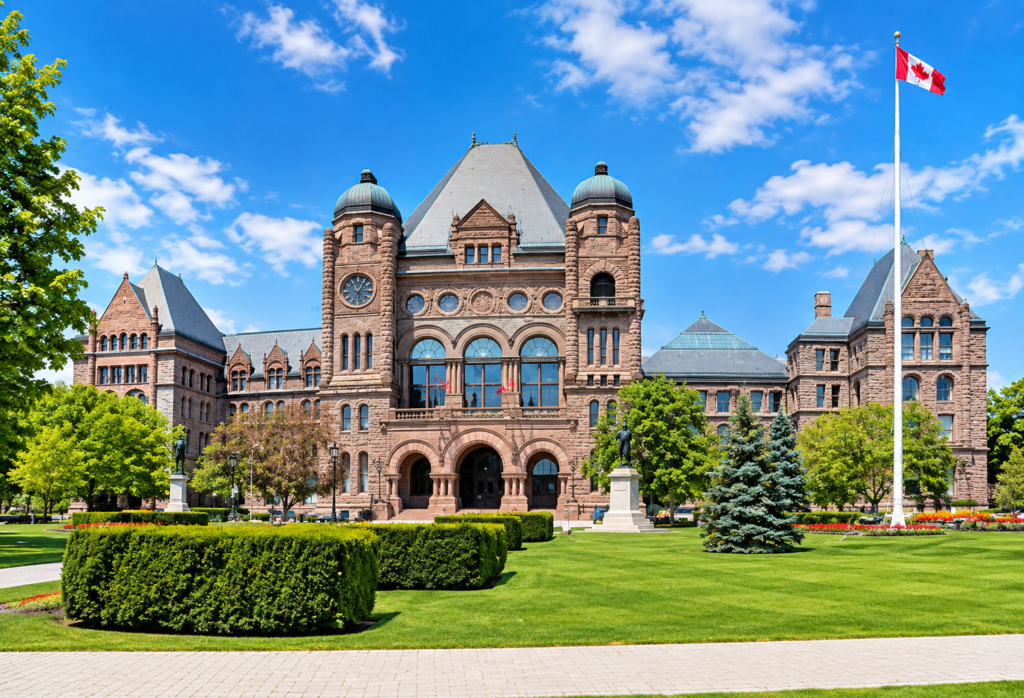
What is the Alberta separation referendum issue?
Alberta has scheduled a referendum for October 19, 2026, with 10 questions on the ballot. The most prominent question asks whether Alberta should remain a Canadian province or whether the provincial government should begin the constitutional process for a binding referendum on separation.
Other questions concern constitutional and provincial-federal powers, including provincial authority over federal programs and jurisdictional disputes.
The October vote is therefore not itself a final vote on Alberta leaving Canada. The separation question concerns whether to commence the legal process for a future binding referendum.
How are Alberta’s government and the federal government’s relations developing?
Relations between Alberta and Ottawa are currently focused on energy development, infrastructure, and provincial-federal jurisdiction. Prime Minister Mark Carney’s government has advanced the Pacific Link pipeline project, while Premier Danielle Smith’s government has supported the project.
The cooperation is significant because energy policy has been a major source of disagreement between Alberta and the federal government. At the same time, Alberta’s October referendum keeps constitutional and jurisdictional tensions at the centre of the relationship.
What steps are provincial governments taking to address housing affordability?
Provincial housing policies vary, but governments are generally focusing on increasing housing supply, speeding up development approvals, supporting infrastructure, and working with municipalities. Housing is also an area where federal and provincial responsibilities overlap, with governments using agreements to address housing and infrastructure priorities.
The specific measures differ by province because provinces control important areas such as planning frameworks, housing programs, and aspects of development regulation. Housing affordability therefore remains both a provincial and federal political issue.
Why is healthcare a major issue in provincial politics?
Healthcare is a major provincial issue because provinces and territories are responsible for delivering most publicly funded healthcare services. Current debates include healthcare staffing, hospital capacity, primary care, mental-health services, and healthcare funding. Federal transfers are also important because Ottawa provides financial support through the Canada Health Transfer and bilateral agreements.
Ontario, for example, has raised concerns about future federal health funding as additional bilateral funding arrangements change.
What are the major political debates in Ontario, Quebec, Alberta, and British Columbia?
Ontario: Healthcare funding, infrastructure, housing, labour policy, and relations with Ottawa are important issues. The province is also dealing with debates over federal healthcare transfers.
Quebec: The October 5 election has brought immigration, Indigenous relations, constitutional questions, and Quebec’s relationship with the monarchy into the campaign.
Alberta: Energy development, the federal relationship, constitutional reform, and the October 19 referendum are major political issues.
British Columbia: The October 24 election is putting the provincial government’s record and policy priorities before voters, with housing, healthcare, affordability, and economic issues among the broader provincial concerns.
What jurisdictional disputes exist between provincial governments and Ottawa?
Federal provincial disputes can involve healthcare funding, environmental regulation, natural resources, infrastructure, immigration, and constitutional authority. Alberta’s referendum questions specifically include proposals concerning provincial authority over federal programs and giving provincial laws priority in certain jurisdictional disputes.
Healthcare funding is another recurring area because Ottawa provides transfers while provinces administer healthcare services.
Energy and infrastructure projects can also create disagreements over regulatory authority, environmental requirements, and resource development.
How could provincial elections and leadership changes affect national politics?
Provincial elections can influence national politics by changing the positions of provincial governments on healthcare, housing, immigration, energy, taxation, and federal-provincial relations. Quebec’s October 5 election and British Columbia’s October 24 election make October particularly significant for provincial politics.
Municipal & Local Politics
What are the major political issues in Canadian cities in October 2026?
October 2026 is a particularly important month for municipal politics because several major cities are holding elections. Vancouver votes on October 17, while Ontario municipalities including Toronto vote on October 26.
Across major cities, housing affordability, homelessness, public transit, infrastructure, property taxes, municipal finances, and service delivery are prominent issues. Toronto’s election is also taking place amid debates over transit governance and housing.
In Vancouver, candidates are discussing housing, transportation, public services, and the city’s financial priorities.
How are municipal governments addressing housing affordability?
Cities are using different tools to increase housing supply and improve affordability, including zoning changes, development incentives, affordable-housing projects, and partnerships with provincial and federal governments. Montreal, for example, is advancing projects that add social and affordable housing units.
Development charges are another important issue because municipalities use them to help finance infrastructure required for new development. However, high charges can also affect the cost of building new homes.
Municipalities therefore face the challenge of increasing housing supply while maintaining infrastructure and keeping development financially viable.
What are the major issues involving property taxes and municipal budgets?
Property taxes are a major source of municipal revenue and help fund services such as policing, transit, roads, parks, waste collection, and infrastructure. Cities must balance these costs against pressure on households facing higher living expenses.
Toronto’s 2026 budget included a combined residential property-tax and City Building Fund levy increase of 2.2%, while emphasizing affordability and long-term financial sustainability.
Municipalities are also examining development charges and other revenue sources as population growth creates additional infrastructure costs.
How are public transit and infrastructure affecting local politics?
Transit is a major municipal issue because cities need reliable transportation systems while managing operating and capital costs. Toronto’s 2026 election debate includes concerns about TTC affordability, service levels, and local control of transit decision-making.
Vancouver’s election also includes transportation priorities, while Montreal businesses have identified public-transit investment as one of their key priorities.
Infrastructure spending is closely connected to housing growth because new communities require roads, transit, water, utilities, and other services.
Why are homelessness and affordable housing important issues for cities?
Homelessness directly affects municipal responsibilities including shelters, supportive services, public spaces, and community safety. Housing shortages and high rents can increase pressure on shelters and other local services.
Montreal’s current political debate illustrates the connection: housing and homelessness are among the city’s prominent issues, with advocates calling for additional social housing and stronger housing protections.
Municipalities often need cooperation from provincial and federal governments because cities have limited revenue sources compared with the scale of housing and homelessness needs.
What are the major local political debates in Toronto, Vancouver, Montreal, Calgary, and Edmonton?
Toronto: Housing, TTC services, affordability, property taxes, infrastructure, and the relationship between City Hall and the Ontario government are important issues. Toronto’s 2026 municipal election has more than 2.1 million eligible voters and hundreds of certified candidates.
Vancouver: Housing, transportation, public services, municipal finances, and development are central campaign issues. Vancouver’s municipal election is scheduled for October 17, 2026.
Montreal: Housing affordability, homelessness, public transit, and downtown economic activity are major concerns. These issues have also been highlighted by Montreal’s business community and housing advocates.
Calgary: Housing growth, infrastructure financing, transportation, municipal services, and development costs are important local-government issues. Alberta is also examining new ways for municipalities to finance infrastructure associated with growth.
Edmonton: Transit, housing, infrastructure, municipal services, and development are among the recurring local-government issues, although Edmonton did not have a municipal election in October 2026. Alberta’s most recent province-wide civic elections were held in 2025.
What are the important developments involving municipal elections and local leadership?
The 2026 municipal election cycle is a major development in October. Vancouver’s election is on October 17, while Ontario’s municipal elections, including Toronto, are scheduled for October 26.
Toronto has approximately 2.14 million eligible voters and 361 certified candidates across mayoral, council, and school-board races.
Vancouver voters will elect a mayor, councillors, Park Board commissioners, and school trustees, along with voting on capital-plan and plebiscite questions.
These elections can change local priorities around housing, taxation, transit, infrastructure, and public services.
How does federal and provincial funding affect municipalities?
Municipalities depend heavily on funding arrangements with provincial and federal governments for major infrastructure, housing, and transit projects. Cities generally have fewer revenue sources than senior governments, making intergovernmental transfers and agreements important for large projects.
Housing is a clear example because municipalities handle local planning and development while provinces and the federal government provide important funding and policy frameworks. Transit and major infrastructure can similarly require multiple levels of government.
As a result, changes in federal or provincial funding can affect municipal budgets, project timelines, and the level of services cities can provide.
Elections & Voting
What important elections or votes are scheduled in Canada in October 2026?
October 2026 has several important votes at the provincial, territorial, and municipal levels. Alberta’s referendum is scheduled for October 19, while Quebec’s provincial election is scheduled for October 5. Municipal elections are also scheduled in British Columbia on October 17, the Northwest Territories’ Yellowknife on October 19, Ontario on October 26, and Manitoba on October 28.
There is no federal general election scheduled for October 2026. The most recent federal by-elections were held on August 31 in Beaches East York, Chicoutimi Le Fjord, and North Vancouver Capilano.
Alberta’s October 19 referendum is particularly significant because it includes a question about whether the provincial government should begin the constitutional process for a future binding separation referendum.
What is the voting process for Alberta’s separation referendum?
Alberta’s referendum will take place on Monday, October 19, 2026. Eligible voters can vote during advance voting from October 13–17, on Election Day at their assigned voting location, or through a special ballot.
Voters must be Canadian citizens, at least 18 years old on Election Day, and ordinarily resident in Alberta. Identification proving name and physical address is required.
The referendum contains 10 questions. Questions 1–9 are yes/no questions, while Question 10 offers two choices: remain a province of Canada or begin the constitutional legal process for a future binding referendum on separation.
Importantly, Question 10 itself is not a binding vote to separate Alberta from Canada. It asks whether the government should commence the legal process for a later binding referendum.
Which federal by-elections and vacant ridings are important?
The three federal by-elections held in 2026 were Chicoutimi Le Fjord, Beaches East York, and North Vancouver Capilano, with voting on August 31.
As of September 22, several federal seats remained vacant, including Yorkton—Melville, Laurier Sainte-Marie, Rosemont La Petite-Patrie, Scarborough North, Saint-Hyacinthe Bagot Acton, and Brantford Brant South.
These are not all October by-elections. Elections Canada lists the earliest possible dates for some of these seats, but the actual by-election dates depend on when the government issues the writs.
Therefore, it is more accurate to describe them as vacant federal ridings being watched for possible by-elections, rather than scheduled October contests.
What are the current election rules for voters in Canada?
Federal voting requires a person to be a Canadian citizen and at least 18 years old. Eligible voters must be registered on the federal list of electors, although registration can also be completed at the polls during an election or by-election.
Voters generally need acceptable identification and must establish their identity and address when voting. Elections Canada provides different voting methods, including voting on Election Day, advance voting, voting by mail, and voting at an Elections Canada office during an election period.
Provincial and municipal elections have separate eligibility and voting rules established by the relevant provincial or territorial electoral authority.
For example, Alberta’s 2026 referendum has its own voter-registration, identification, and voting procedures administered by Elections Alberta.
What is the difference between federal and provincial elections?
A federal election chooses Members of Parliament to represent federal electoral districts in the House of Commons. Federal elections are administered by Elections Canada.
A provincial election chooses representatives to a provincial legislature, and the resulting government deals with areas under provincial jurisdiction such as healthcare, education, and many aspects of housing and infrastructure.
The electoral systems and detailed voting rules can also differ between jurisdictions.
For example, Elections Alberta administers Alberta provincial elections and referendums, while Elections Canada administers federal elections and by-elections.
What are the voter registration and eligibility rules?
For federal elections, voters must be Canadian citizens and 18 or older. Elections Canada maintains the National Register of Electors and allows eligible Canadians to register or update their information.
Registration can be completed online, through certain tax-return procedures, by mail, or at an Elections Canada office or polling place during an election.
Canadian citizens living abroad who meet the requirements can register in the International Register of Electors.
Provincial rules are separate. In Alberta’s 2026 referendum, for example, voters must be Canadian citizens, at least 18 on Election Day, and ordinarily resident in Alberta.
What is the role of Elections Canada?
Elections Canada is the independent, non-partisan agency responsible for administering Canada’s federal elections and by-elections. Its responsibilities include maintaining the federal electoral system, registering voters, administering polling operations, and providing information to voters and candidates.
It also establishes and manages procedures for voting, including advance voting and voting by special ballot. The agency maintains the National Register of Electors to help keep federal voter lists accurate.
Provincial and municipal elections are not administered by Elections Canada. They are handled by the appropriate provincial, territorial, or municipal electoral authorities.
What barriers can Indigenous voters face in the election process?
Indigenous voters can face practical barriers to participation, particularly in remote and northern communities. These can include long travel distances to polling places, limited transportation, connectivity challenges, and difficulties accessing election information or identification documents.
Some communities may also face language or accessibility barriers, making culturally appropriate voter information and assistance important.
Canada’s electoral authorities provide measures such as accessible voting services and information resources, but the specific barriers can vary considerably between communities and regions.
When discussing Indigenous participation, it is important to distinguish documented administrative barriers from broader political or social claims and to recognize that Indigenous communities across Canada have different circumstances.
Parliament Updates
What major issues are being discussed in the Canadian Parliament in October 2026?
The October parliamentary agenda is expected to focus heavily on economic growth, housing, major infrastructure projects, trade, affordability, and Indigenous-related legislation. The government has also been working on measures intended to strengthen Canada’s internal economy and improve the country’s ability to build and move major projects. Trade diversification and Canada’s economic relationship with the United States remain important background issues. Parliament is also expected to continue debating legislation carried over from the previous sitting period.
When does Parliament resume in October and what is the current agenda?
The House of Commons is scheduled to resume on Monday, October 5, 2026. According to the government’s September 24 weekly business statement, MPs are scheduled to resume consideration of Bill C-39, the Building Canada Strong Act, on Monday and Wednesday.
Tuesday, October 6, and Thursday, October 8 are designated opposition days, while Friday is scheduled for second-reading debate on Bill C-37, the First Nations Clean Water Act.
Which important bills and debates are before the House of Commons?
One of the central pieces of business is Bill C-39, the Building Canada Strong Act, which is scheduled to continue through second-reading debate after the October return.
Bill C-37, the First Nations Clean Water Act, is also scheduled for second-reading debate on the Friday.
Other legislation already before Parliament includes measures concerning housing supply, criminal and correctional matters, national defence, and economic policy. The exact daily agenda can change as the House proceeds.
What is the government’s upcoming legislative agenda?
The government’s legislative agenda is centred on strengthening Canada’s economy, increasing housing supply, supporting major infrastructure, and improving trade and transportation capacity.
Recent government consultations have also focused on major projects, trade and transportation, and labour relations as part of its broader economic strategy.
In Parliament, this agenda is being advanced through bills and government motions, while opposition days provide opportunities for other parties to propose debates and motions.
What issues are opposition parties raising in Parliament?
Opposition parties can use designated opposition days, Question Period, committee hearings, and debates to challenge government policy.
Major areas of parliamentary disagreement include affordability, housing, government spending, economic policy, trade, infrastructure, immigration, and the implementation of legislation.
The October 6 and October 8 opposition days will provide formal opportunities for opposition motions and debate. The specific motions can shape which issues receive the most attention during those sitting days.
What major topics are parliamentary committees working on?
Parliamentary committees examine legislation, government spending, and policy issues within their mandates.
Current parliamentary business includes committee work connected to legislation such as housing supply, Indigenous affairs, criminal and correctional matters, national defence, and economic measures.
Committees can hear testimony from ministers, officials, experts, and affected organizations before reporting their findings to the House. Committee schedules and studies can change, so individual meetings should be checked against the official parliamentary calendar.
What major political issues are being highlighted during Question Period?
Question Period gives opposition and government backbench MPs a daily opportunity to question ministers and hold the government accountable.
In October, likely areas of questioning include housing affordability, economic growth, government spending, trade relations, infrastructure, immigration, and major government projects.
Question Period lasts 45 minutes in the House of Commons. The questions and government responses can provide an early indication of which issues are generating the strongest parliamentary debate on a particular sitting day.
What are the current priorities of Parliament and the federal government?
The government’s current priorities include economic growth, housing construction, infrastructure, trade diversification, major projects, and improving Canada’s internal economic capacity.
The government has also identified more efficient project approvals, reliable transportation networks, and stronger trade opportunities as parts of its economic agenda.
Parliament’s broader role is to consider legislation, approve spending, debate public policy, and hold the government accountable. Because October’s sitting has not yet begun as of October 1, the precise balance of priorities may change once debates and committee work resume.
Political Parties
What are the current positions of Canada’s major political parties in October 2026?
Canada’s federal political landscape includes the Liberal Party, Conservative Party, New Democratic Party (NDP), Bloc Québécois, and Green Party, all of which are registered federal parties.
The Liberal Party is led by Prime Minister Mark Carney, the Conservatives by Pierre Poilievre, the NDP by Avi Lewis, the Bloc Québécois by Yves-François Blanchet, and the Green Party by Elizabeth May.
Their current priorities differ significantly. Liberals emphasize economic growth, housing, infrastructure, and Canada’s economic independence; Conservatives emphasize affordability, taxes, immigration levels, public safety, and economic growth; the NDP emphasizes workers, public services, housing, and affordability; the Bloc focuses on Quebec’s interests and jurisdiction; while the Greens emphasize environmental protection, accountability, and climate considerations in major projects.
What are the Liberal Party’s current political priorities?
The Liberal government’s current agenda emphasizes economic growth, housing construction, major infrastructure and projects, trade diversification, and strengthening Canada’s domestic economy.
Government policy documents also identify transportation and trade infrastructure as important parts of this strategy. The government is pursuing legislation and policy changes intended to accelerate major projects and strengthen Canada’s economic capacity.
Housing remains an important part of the agenda, alongside investment and infrastructure. The government has also been responding to Canada’s changing trade relationship with the United States while seeking broader international economic opportunities.
These priorities are being advanced through government legislation, spending measures, and parliamentary debate.
On which issues is the Conservative Party challenging the government?
The Conservatives have identified five major areas for the fall parliamentary session: reducing costs, protecting jobs, public safety, immigration, and putting Canada first.
Party leader Pierre Poilievre has specifically criticized government taxation, spending, regulation, immigration policy, and the handling of trade disputes.
On housing, the Conservative Party proposes measures including reducing taxes on new homes, linking some federal infrastructure funding to homebuilding, and reducing certain construction-related taxes.
On immigration, the party says immigration levels should be aligned with Canada’s capacity and has called for stronger measures against fraud and abuse.
These are Conservative Party positions rather than independent assessments of their likely effects.
What are the NDP’s current policy priorities?
NDP leader Avi Lewis has said the party will focus on the affordability crisis, lower food and housing costs, stronger public services, good jobs, Canadian industries, and economic independence.
The party has also emphasized healthcare, affordable housing, and measures aimed at working Canadians.
The NDP’s current parliamentary organization reflects these priorities. Jenny Kwan is the party’s critic for Housing and Immigration and Citizenship, while Gord Johns handles Health among several other portfolios.
The party has also highlighted concerns about privatization and the role of large investors in the economy.
What issues is the Bloc Québécois focusing on in federal politics?
The Bloc Québécois, led by Yves-François Blanchet, focuses its federal parliamentary work on Quebec’s interests, including Quebec’s economic priorities, culture, language, environmental policy, and provincial jurisdiction.
The party has also emphasized protecting Quebec’s ability to make decisions within its own areas of jurisdiction.
Economic issues are particularly important in the current trade environment. The Bloc has called for measures to support Quebec businesses affected by U.S. tariffs, diversification of markets, and greater processing of Quebec resources within the province.
It has also introduced legislation concerning the federal Clarity Act and Quebec’s right to determine its political future.
What are the Green Party and other registered parties focusing on?
The Green Party of Canada, led by Elizabeth May, has placed particular emphasis on climate policy, environmental protection, transparency, and accountability.
For the fall 2026 parliamentary session, May has focused on the government’s proposed major projects and the proposed West Coast oil pipeline, calling for independent economic assessment and scrutiny of environmental and Indigenous-rights considerations.
Canada has other registered federal parties beyond the five most prominent parliamentary parties, including the People’s Party of Canada, Canadian Future Party, Centrist Party of Canada, Christian Heritage Party, and others.
Registration with Elections Canada does not mean every registered party has elected MPs or the same parliamentary presence.
What are the major parties’ positions on housing, immigration, and the economy?
| Party | Housing | Immigration | Economy |
|---|---|---|---|
| Liberal | Emphasizes increasing housing supply and federal investment in construction and infrastructure. | Government policy combines immigration with economic and labour-market considerations. | Focuses on economic growth, major projects, trade diversification, and domestic capacity. |
| Conservative | Proposes tax and regulatory changes intended to increase homebuilding and affordability. | Calls for immigration levels that it says should match Canada’s capacity and stronger enforcement. | Emphasizes lower taxes and costs, jobs, resource development, and reduced regulation. |
| NDP | Supports more affordable and publicly supported housing and measures addressing housing costs. | Jenny Kwan’s portfolio includes Housing and Immigration and Citizenship, with the party linking immigration policy to housing and public-service capacity. | Emphasizes workers, public services, Canadian industries, and economic independence. |
| Bloc Québécois | Argues that Quebec has primary jurisdiction over housing while seeking federal financial support and cooperation. | Focuses strongly on Quebec’s immigration powers and the Canada-Quebec relationship. | Emphasizes Quebec industries, tariff protection, market diversification, and provincial economic interests. |
| Green | Links housing policy with affordability, sustainability, and environmental considerations. | Supports immigration while emphasizing environmental, social, and community considerations. | Places greater emphasis on climate policy, environmental safeguards, and sustainable economic development. |
These descriptions summarize party positions and official statements. They should not be interpreted as an independent ranking of the parties or a prediction of policy outcomes.
Who are the major party leaders and what are their current parliamentary roles?
- Mark Carney Liberal Party: Prime Minister of Canada and Leader of the Liberal Party.
- Pierre Poilievre Conservative Party: Leader of the Conservative Party and Leader of His Majesty’s Loyal Opposition in the House of Commons.
- Avi Lewis NDP: Leader of Canada’s NDP; Don Davies is the NDP Parliamentary and House Leader, while Jenny Kwan is the party’s Whip.
- Yves-François Blanchet Bloc Québécois: Leader of the Bloc Québécois and MP for Beloeil—Chambly. Christine Normandin is the Bloc’s House Leader.
- Elizabeth May Green Party: Leader of the Green Party and MP for Saanich—Gulf Islands. The Green Party currently has a leadership contest scheduled for November 13, 2026, with Elections Canada listing Nirmala Dookeran and Mike Morrice as contestants.
At the parliamentary level, government House Leader Steven MacKinnon and opposition House Leader Andrew Scheer also have important roles in organizing House business.
Indigenous Affairs
What are the major Indigenous affairs developments in Canada in October 2026?
A major development is the federal government’s decision on October 1, 2026, to list the proposed West Coast Oil Pipeline as a project of national interest under the Building Canada Act.
The proposed pipeline would connect Alberta with a deepwater export terminal in British Columbia and has a planned capacity of up to one million barrels of crude per day. The federal government says the project will include meaningful Indigenous equity participation and continued engagement with affected communities.
More broadly, Indigenous participation in major infrastructure and natural-resource projects remains an important federal policy issue. The government is emphasizing Indigenous ownership, economic participation, consultation, and recognition of rights as part of its major-project strategy.
How are relations between the federal government and First Nations, Inuit, and Métis communities developing?
The federal government describes its approach as moving toward partnership, reconciliation, and recognition of Indigenous rights.
Its major-project framework specifically includes First Nations, Inuit, Métis, Modern Treaty, and self-governing Indigenous peoples whose rights or interests could be affected.
At the same time, relationships differ between communities and projects. Indigenous governments may support particular developments when they provide economic benefits and meaningful participation, while concerns can arise around environmental impacts, consultation, jurisdiction, and the protection of rights.
Natural Resources Canada says meaningful and continuing engagement is part of its approach to resource development.
What are the current issues involving Indigenous rights and self-determination?
Key issues include self-government, treaty rights, land and resource rights, jurisdiction, economic independence, and participation in decisions affecting Indigenous territories.
The federal government has committed to implementing the United Nations Declaration on the Rights of Indigenous Peoples through its UN Declaration Act and Action Plan.
Resource development is one of the areas where these issues become particularly important. Federal policy recognizes the need for consultation and cooperation and refers to free, prior, and informed consent in decisions affecting Indigenous communities and their lands, territories, and resources.
What are the current priorities in Canada’s reconciliation process?
Current reconciliation priorities include implementing the United Nations Declaration on the Rights of Indigenous Peoples Act Action Plan, advancing the Truth and Reconciliation Commission’s Calls to Action, improving Indigenous participation in economic development, and strengthening relationships with First Nations, Inuit, and Métis governments.
Natural Resources Canada also identifies Indigenous economic inclusion, regulatory participation, resource partnerships, and implementation of the Inuit Nunangat Policy among its priorities.
Reconciliation therefore extends beyond symbolic recognition into areas such as governance, economic participation, resource development, and government decision-making.
What role do Indigenous communities have in natural-resource projects?
Indigenous communities can participate through consultation, environmental monitoring, employment, contracting, procurement, ownership, and equity investment.
The federal government says its resource-development approach is intended to increase Indigenous participation and ownership while recognizing Indigenous rights.
The federal Major Projects Office also provides capacity funding to help Indigenous communities participate in major-project consultations. The government says $40 million over two years has been committed for Indigenous participation capacity, while the federal Indigenous Loan Guarantee Program has $10 billion in guarantee authority to help Indigenous groups access capital for major projects.
What is the proposed Indigenous participation in the Pacific Link pipeline project?
The project now identified by the federal government as the West Coast Oil Pipeline (WCOP) includes a proposed minimum 10% Indigenous ownership interest.
The government says Indigenous communities would be supported through the Alberta Indigenous Opportunities Corporation and the Canada Indigenous Loan Guarantee Corporation to help provide financing capacity for equity purchases.
The proposal also includes opportunities for Indigenous communities in employment, training, contracting, and procurement.
The precise terms of the equity offering are still to be settled before construction, and the final route and project features remain subject to further development and engagement with Indigenous communities and other affected parties.
What federal initiatives support Indigenous economic development?
The federal government supports Indigenous economic participation through programs such as the Indigenous Loan Guarantee Program, the Indigenous Natural Resource Partnerships program, and capacity funding for participation in major projects.
These initiatives are intended to improve access to capital, strengthen community capacity, and enable Indigenous communities to participate as owners and economic partners.
For major projects, the Indigenous Loan Guarantee Program is particularly significant because it can help communities obtain financing for equity investments.
Natural Resources Canada also supports Indigenous-led initiatives designed to build organizational and community capacity for participation in natural-resource development.
What policy challenges remain after the Truth and Reconciliation process?
Important challenges remain in areas such as implementing the Calls to Action, Indigenous self-determination, housing and infrastructure, economic participation, access to services, language revitalization, and meaningful involvement in decisions affecting Indigenous lands and resources.
The federal government continues to report reconciliation-related work through programs and departmental action plans.
Foreign Policy & International Relations
What are Canada’s major foreign-policy priorities in October 2026?
Canada’s foreign-policy priorities are increasingly centred on economic resilience, trade diversification, strategic autonomy, national security, and stronger partnerships with trusted allies.
Global Affairs Canada says the government wants to diversify Canada’s international partnerships while developing a new economic and security relationship with the United States.
It is also prioritizing Europe and the Indo-Pacific, Arctic security, support for Ukraine, and stronger participation in multilateral institutions.
What are the current political challenges in Canada-U.S. relations?
The United States remains Canada’s largest trading partner, with deeply integrated supply chains, energy infrastructure, and defence cooperation.
However, trade tensions, tariffs, and the upcoming CUSMA/USMCA review are major challenges for the relationship.
Canada is therefore trying to maintain a strong North American economic relationship while also reducing vulnerabilities created by excessive dependence on one market.
Defence cooperation through NORAD, NATO, and Five Eyes remains an important part of the bilateral relationship.
Why is Canada diversifying its trade relationships beyond the U.S.?
Canada is pursuing diversification because the United States accounts for a very large share of Canadian trade, creating exposure to changes in U.S. trade policy and tariffs.
Global Affairs Canada’s 2026–27 plan calls for the Trade Diversification Strategy to double Canada’s non-U.S. exports within the next decade.
The government is therefore seeking stronger commercial relationships in Europe and the Indo-Pacific while continuing to support Canadian businesses in the U.S. market.
What developments are taking place in Canada-EU relations?
Canada and the European Union are discussing a relationship that goes beyond traditional trade cooperation under CETA.
On September 16, Prime Minister Mark Carney and European Commission President Ursula von der Leyen discussed deeper cooperation in critical minerals, defence industries, AI and computing, energy security, space, financial services, and digital trade.
Both sides also reaffirmed cooperation on transatlantic security and support for Ukraine.
Security cooperation is also expanding. Canada and the EU identify cyber threats, emerging technologies, hybrid threats, maritime and space security, critical infrastructure, and economic security as areas requiring closer cooperation.
How is Canada expanding its economic and diplomatic presence in the Asia-Pacific region?
Canada’s Indo-Pacific approach is focused on trade, investment, diplomatic relationships, security, and people-to-people connections.
Global Affairs Canada says Canada wants to use its expanded presence in the region to support economic growth and secure new markets while strengthening regional partnerships.
Trade negotiations and economic initiatives involving countries and groupings such as ASEAN, India, the Philippines, Thailand, and the UAE are part of the broader diversification agenda.
Canada is also seeking to strengthen its role as a middle power by working with multiple Indo-Pacific partners rather than relying primarily on one major market or security relationship.
What are Canada’s current national-security priorities?
National security increasingly combines military defence with economic, cyber, Arctic, border, and critical-infrastructure security.
Canada is continuing NORAD modernization with the United States and strengthening cooperation against cross-border crime, smuggling, cyber threats, and other security challenges.
Arctic security is also becoming more prominent as Canada seeks to strengthen its position in the North.
The government is also treating economic resilience as part of national security, particularly in areas such as critical minerals, energy, technology, supply chains, and defence production.
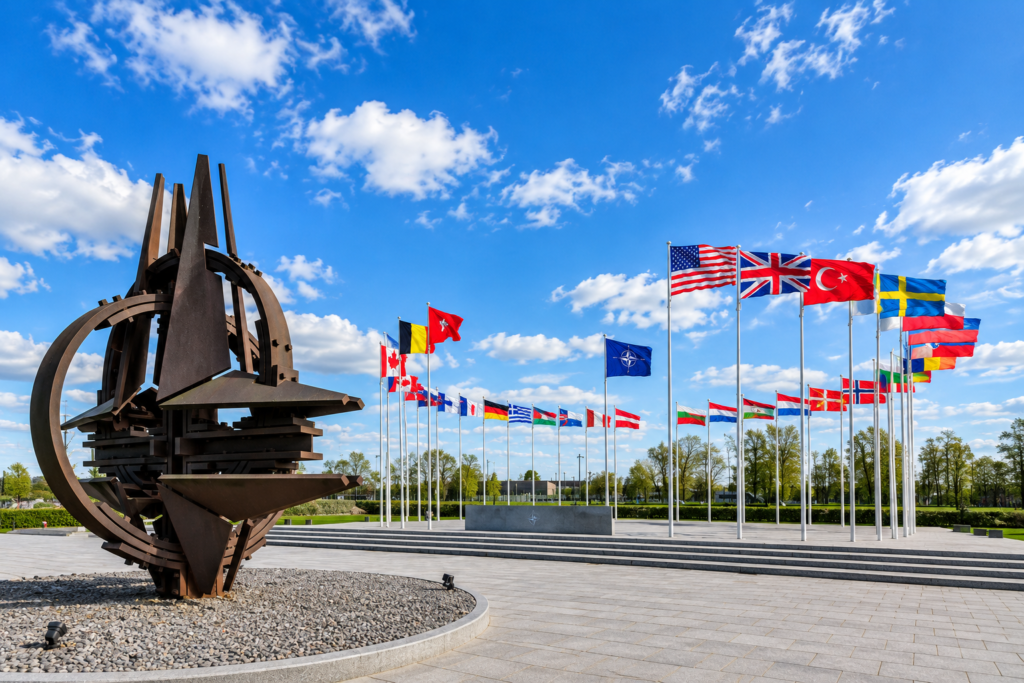
What is Canada’s role in NATO and other international partnerships?
Canada remains an important NATO Ally and participates in the alliance’s collective-defence framework.
Its international security relationships also include NORAD with the United States and Five Eyes intelligence cooperation.
Canada is seeking deeper cooperation with European partners while supporting NATO’s role in transatlantic security.
Beyond NATO, Canada is using partnerships with European and Indo-Pacific countries and participation in multilateral institutions to strengthen diplomatic influence, support international rules, and address shared security challenges.
Global Affairs Canada specifically identifies trusted allies and middle-power partnerships as part of its strategic-autonomy approach.
How is Canada’s foreign policy focusing on economic resilience and strategic autonomy?
Canada’s current approach combines trade diversification, stronger domestic capacity, and broader international partnerships.
The government wants to reduce economic vulnerabilities by expanding non-U.S. exports, strengthening relationships with Europe and the Indo-Pacific, and improving Canada’s ability to participate in strategic sectors such as energy, critical minerals, AI, defence, and space.
Strategic autonomy does not mean withdrawing from existing alliances. Canada’s stated approach is to maintain its relationships with the United States and NATO while developing additional partnerships and capabilities that give Canada more options in a changing international environment.
Final Verdict
Canada’s political landscape in October 2026 reflects a period of significant change across federal, provincial, and municipal governments. Federal politics is focused heavily on economic growth, housing, infrastructure, energy development, trade diversification, and Canada’s relationship with the United States. At the same time, Parliament’s return brings renewed debate over government legislation, spending, affordability, immigration, and major national projects.
Provincial politics adds another important dimension, with elections in Quebec and British Columbia and Alberta’s referendum placing constitutional, economic, and federal-provincial relations in the spotlight. Across the country, healthcare, housing affordability, infrastructure, and the cost of living remain important political concerns. Municipal elections are also giving voters opportunities to influence local decisions involving transit, property taxes, housing, homelessness, and public services.
Indigenous affairs and Canada’s international relationships are equally important to the country’s political direction. Indigenous participation in major resource projects, reconciliation, self-determination, and economic partnerships remain significant policy areas, while Canada is working to strengthen relationships with Europe and Indo-Pacific partners and maintain cooperation with the United States and NATO.
Overall, October 2026 is an important period for understanding Canada’s evolving political priorities. Federal legislation, provincial elections, municipal contests, major infrastructure decisions, and international developments are all contributing to a broader discussion about Canada’s economy, communities, security, and future direction. Voters and readers should consider the documented policies, official information, and developments from each level of government when evaluating Canada’s political landscape.
Table of Contents

Leave a Reply