Government & Politics
Introduction
Canada’s political and government system is built around three levels of government: federal, provincial or territorial, and municipal. Each level has different responsibilities, powers and elected representatives, but they often work together on issues that affect Canadians, including healthcare, housing, education, infrastructure, taxation, immigration and public services.
At the federal level, the Prime Minister, Cabinet, House of Commons and Senate play central roles in making national laws, setting government priorities and overseeing federal spending. Provincial and territorial governments manage many important areas such as healthcare and education, while municipalities are responsible for local services including transit, roads, parks, zoning and waste management.
Canada’s political system also includes elections, political parties, parliamentary committees, opposition parties, Indigenous governments and ongoing relationships between governments and Indigenous Peoples. Understanding these institutions helps explain how decisions are made and how federal, provincial, territorial and municipal governments affect everyday life across Canada.
What Is Canada’s Federal Government?
Canada has three levels of government: federal, provincial or territorial, and municipal. The federal government deals with national and international responsibilities, including foreign affairs, national defence, criminal law, banking, taxation, immigration and employment insurance.
The Prime Minister heads the federal government. The government works through federal departments, agencies and ministers to develop policies, deliver programs and administer federal laws.
Who are the Prime Minister and Cabinet?
The Prime Minister is the head of Canada’s federal government and leads the Cabinet. Cabinet is the group of ministers that helps set the government’s policies and priorities.
The Governor General appoints Cabinet members on the advice of the Prime Minister. Most Cabinet ministers are Members of the House of Commons, although a Senator can sometimes be included.
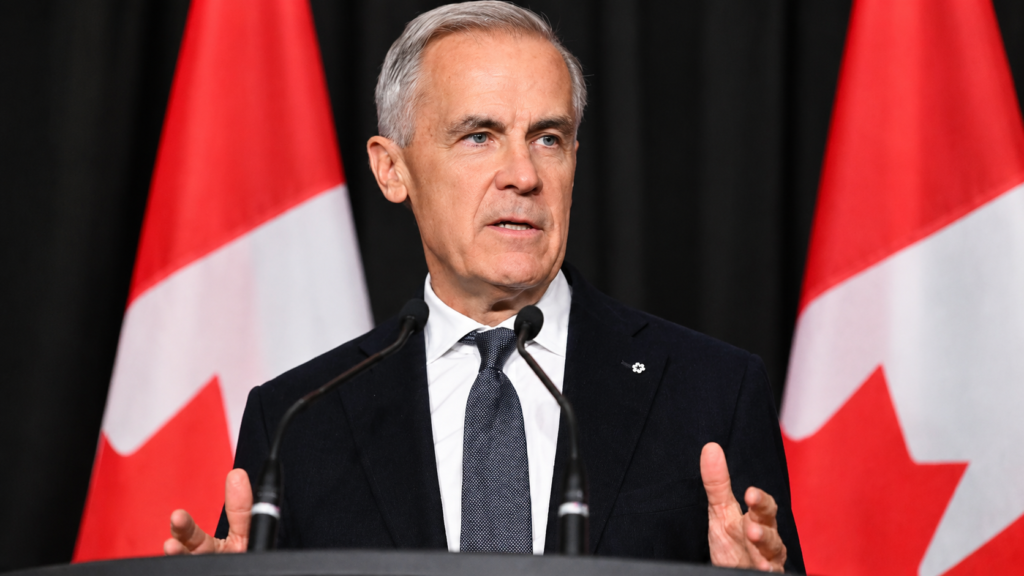
As of September 2026, the Prime Minister of Canada is Mark Carney
Who are the Federal Ministers?
Federal ministers are responsible for particular departments, portfolios or areas of government policy. Examples include Finance, Foreign Affairs, National Defence, Immigration, Health, Environment, Transport and Industry.
The current federal ministry includes ministers such as François-Philippe Champagne as Minister of Finance and National Revenue, Anita Anand as Minister of Foreign Affairs, Lena Metlege Diab as Minister of Immigration, Refugees and Citizenship, and David J. McGuinty as Minister of National Defence.
Ministers are accountable to Parliament for their departments and participate in Cabinet discussions and government decision-making.
What are Government Policies in Canada?
Government policies are plans, priorities and approaches used by the federal government to address national issues and deliver programs and services.
Policies can cover areas such as housing, immigration, healthcare transfers, taxation, defence, climate, infrastructure, jobs and economic development. Political parties also publish platforms describing priorities they would pursue if they form government.
What Is Federal Legislation?
Federal legislation consists of laws made through Canada’s federal parliamentary process. A proposed law generally begins as a bill, which must go through stages of debate, examination and voting in Parliament.
Bills can be introduced in either the House of Commons or the Senate, depending on the type of bill. A bill that passes the required parliamentary stages and receives Royal Assent becomes law.
What Is the Federal Budget and Government Spending?
The federal budget outlines the government’s fiscal plans, including proposed revenues, spending priorities and economic measures. Government spending is then examined through Parliament’s Estimates process.
For 2026–27, the Main Estimates present approximately C$502.8 billion in budgetary spending. This includes C230.4billioninvotedspendingandC272.4 billion in forecast statutory expenditures.
Parliament must approve spending authorities before departments can access appropriated funds. Supplementary Estimates can later update spending requirements during the fiscal year.
What Is the House of Commons?
The House of Commons is the elected chamber of Canada’s Parliament. Members of Parliament, or MPs, represent electoral districts across Canada.
The Prime Minister and Cabinet sit in the House of Commons, where MPs can question ministers and debate government legislation and policies. The government must maintain the confidence of the House to remain in office.
The House also examines government spending, considers bills and provides a central forum for federal political debate.
What Is the Senate?
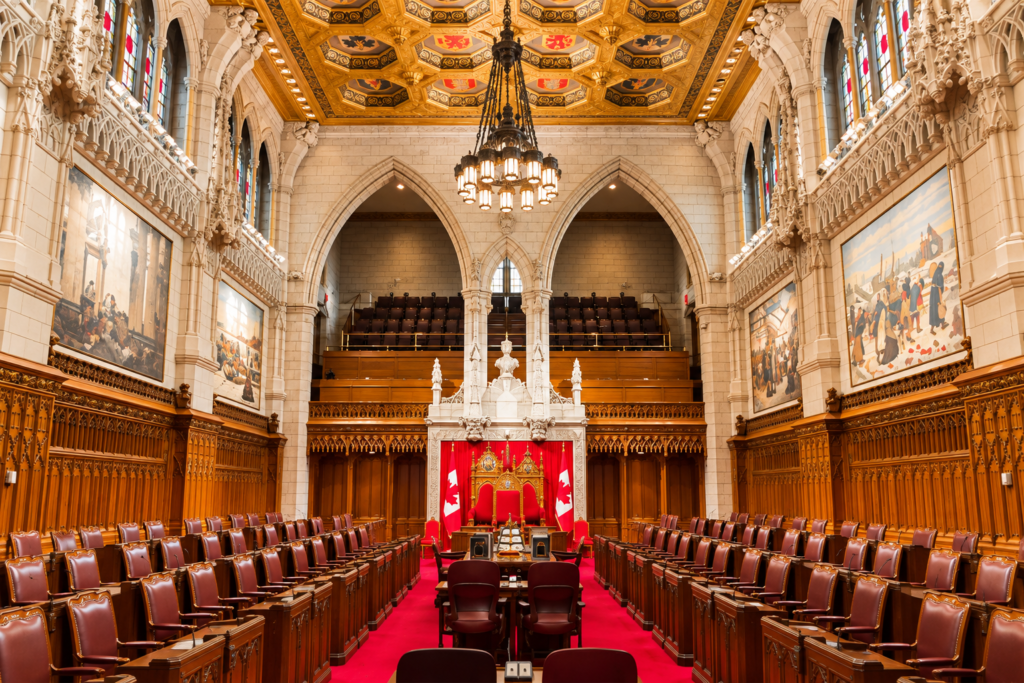
The Senate is the upper chamber of Canada’s Parliament. Senators are appointed rather than elected and review legislation passed by the House of Commons.
The Senate’s constitutional role includes providing a complementary legislative review and what Parliament describes as “sober second thought.” Senators examine bills, conduct committee studies and participate in parliamentary debates.
The Senate can propose amendments to legislation and plays an important role in Canada’s federal parliamentary system.
What are Federal Political Debates?
Federal political debates take place in Parliament, parliamentary committees, political parties, news media and public forums. MPs and Senators discuss legislation, government policies, spending plans and national issues.
In the House of Commons, Question Period allows opposition MPs and other members to question the Prime Minister and federal ministers. Parliamentary debates also provide a public record of different positions on federal issues.
What are Government Announcements?
Federal government announcements communicate new policies, programs, funding decisions, legislation, appointments and other government actions.
Announcements can be made by the Prime Minister, ministers, federal departments and agencies. Official government announcements are published through Canada.ca and other parliamentary or departmental channels.
What Is the Federal Opposition?
The federal opposition consists of MPs and political parties that are not part of the government. Opposition MPs question ministers, debate government legislation and examine government decisions.
The opposition has an important parliamentary role in scrutinizing government policies and spending. Different opposition parties can have different positions and priorities on federal issues.
What are Parliamentary Committees?
Parliamentary committees are smaller groups of MPs or Senators that examine specific subjects, bills, government programs and spending plans in greater detail.
Committees can hear from government officials, experts, organizations and members of the public. For example, parliamentary committees examine Estimates and can question officials about government spending and administration.
Committees can also study proposed legislation, conduct investigations and publish reports with findings or recommendations for Parliament.
What are Provincial Governments in Canada?
Each of Canada’s 10 provinces has its own elected government. A Premier leads the government, while elected members sit in the province’s legislature.
Provincial governments are responsible for areas assigned to them under Canada’s Constitution, including education, hospitals, municipalities, property and civil rights, and many natural-resource matters. The three territories have their own governments and legislatures, but their constitutional arrangements differ from those of the provinces.
Who are the Premiers and Cabinets?
The Premier is the head of a provincial government and has a role similar to the Prime Minister at the federal level. The Premier leads the government and selects ministers to form the provincial Cabinet.
Cabinet ministers are normally responsible for specific departments, such as health, education, finance, housing, transportation, environment or natural resources. Cabinet decisions help establish the government’s priorities and policies.
What are Provincial Legislatures?
Every province has an elected legislature where provincial laws are debated and passed. Members have different titles depending on the province, including Members of Provincial Parliament (MPPs), Members of the Legislative Assembly (MLAs), Members of the National Assembly (MNAs) and Members of the House of Assembly (MHAs).
Provincial legislatures also examine government spending, debate policies and provide a forum where government and opposition members can question and scrutinize decisions.
What are Provincial Elections?
Provincial elections allow voters to choose representatives for their provincial legislature. The political party that can command the confidence of the legislature forms the provincial government, normally with its leader serving as Premier.
Election dates vary by province and are governed by provincial election laws. For example, Canada’s 2026 federal election calendar lists Quebec’s next provincial election for October 5, 2026, subject to the province’s electoral rules.
What are Provincial Budgets?
A provincial budget sets out a government’s plans for revenue, spending and public programs. Budgets can include funding for healthcare, education, infrastructure, housing, transportation, public safety and other provincial responsibilities.
Provincial budgets are presented through the legislature and are subject to parliamentary or legislative scrutiny. The financial priorities and tax policies in each province can differ because provinces have their own governments and fiscal systems.
What are Provincial Healthcare Policies?
Healthcare is primarily administered and delivered by provincial and territorial governments. Each province and territory operates its own public health insurance plan and makes decisions about many aspects of healthcare delivery.
The federal government also has responsibilities in healthcare, including the Canada Health Act and financial transfers to provinces and territories. This means healthcare policy involves both provincial and federal governments.
What are Provincial Education Policies?
Education is primarily a provincial and territorial responsibility in Canada. Provincial governments establish education laws and policies, while school systems are generally administered through school boards, school authorities or other provincial structures depending on the jurisdiction.
Education policies can cover curriculum, teacher requirements, school funding, testing, student support and post-secondary education. Because provinces have their own education systems, policies and programs can differ across Canada.
What are Provincial Housing Policies?
Provincial governments influence housing through areas such as housing programs, tenancy rules, building regulations, land-use frameworks and relationships with municipalities.
Housing responsibilities are shared across different levels of government. Provinces work with the federal government and municipalities on housing supply, affordability, infrastructure and other housing-related issues. Federal-provincial-territorial agreements cover areas including housing and infrastructure.
What are Provincial Taxes?
Provincial and territorial governments collect revenue through different taxes and fees. Individuals generally pay provincial or territorial income tax in addition to federal income tax.
Sales taxes also differ across Canada. Some provinces use a Provincial Sales Tax (PST), Quebec uses the Quebec Sales Tax (QST), while several provinces combine the provincial portion with the federal GST through the Harmonized Sales Tax (HST).
Provincial tax rates, credits and rules can therefore vary depending on where a person lives. The Canada Revenue Agency administers individual provincial and territorial income taxes for most provinces and territories, while Quebec administers its own individual income tax system.
What Is Provincial Legislation?
Provincial legislation consists of laws passed by a provincial legislature within areas of provincial jurisdiction. These laws can cover education, healthcare administration, property and civil rights, municipalities, natural resources and other provincial matters.
A proposed law normally begins as a bill and must pass through the required legislative stages before receiving Royal Assent. The Constitution determines whether a matter falls within federal or provincial jurisdiction.
What are Interprovincial Issues?
Interprovincial issues are matters involving two or more provinces or territories. They can include transportation, trade, electricity, energy, pipelines, healthcare mobility, labour and the movement of goods and workers.
Because some issues cross provincial boundaries, governments often need to cooperate. Federal-provincial-territorial agreements provide one mechanism for governments to work together on areas such as healthcare, housing, education, infrastructure and workforce development.
What are Major Provincial Political Developments?
Major provincial political developments can include elections, new budgets, changes to healthcare and education policies, housing legislation, tax changes, infrastructure projects, natural-resource decisions and agreements with other governments.
What are Canadian City Governments?
Canadian city governments manage services and local matters within a municipality. Depending on the province and municipality, these responsibilities can include roads, parks, libraries, public transit, planning, waste services, water systems and other local programs.
Municipal governments make local rules called bylaws and develop budgets to pay for municipal services and infrastructure. Their authority comes from provincial or territorial legislation.
Who are Mayors and City Councils?
A mayor is generally the elected head of a municipal government. City councils are made up of the mayor and councillors elected to represent different wards or areas, depending on the municipality’s system.
Councils make decisions on local policies, approve budgets and pass bylaws. The exact powers and responsibilities of mayors and councillors depend on provincial legislation and the municipality’s own governance structure.
What are Municipal Elections?
Municipal elections allow residents to choose local representatives such as mayors and councillors. Election rules, voting systems, eligibility requirements and election dates are established under provincial or territorial laws.
Municipal elections are separate from federal and provincial elections. Local elections can determine who makes decisions about services and policies that directly affect a community.
What are Local Budgets?
Municipal budgets set out how a city or town plans to collect and spend money during a fiscal year. They can include funding for roads, transit, parks, policing, fire services, waste management, water systems and other municipal programs.
Municipal councils normally review and approve operating and capital budgets. Large infrastructure projects may require multi-year financial planning and funding from multiple sources.
What are Property Taxes?
Property taxes are an important source of revenue for municipalities. Local governments calculate property taxes based on the assessed value of land and buildings, along with the applicable municipal tax rate.
Property-tax revenue helps municipalities fund local services and infrastructure. The amount paid by an individual property owner can vary depending on the property’s assessed value, local tax rates and applicable rules.
What Is Public Transit in Canada?
Municipal and regional governments play an important role in providing public transportation. Services can include buses, light rail, streetcars, subways, commuter services and specialized transit.
Public transit helps residents travel to work, school, healthcare services, shopping areas and other destinations. Some transit systems operate through municipalities, while others involve regional authorities or cooperation between different levels of government.
What are Housing and Zoning Policies?
Municipal governments play an important role in land-use planning and zoning. Zoning bylaws can determine how particular properties and areas may be used and can regulate matters such as building types, development and permitted activities.
Municipalities can also influence housing development through planning rules, development approvals, building processes, infrastructure planning and local housing programs. However, housing policy involves federal, provincial and municipal governments, so responsibilities are often shared.
What are Infrastructure Projects?
Municipal infrastructure includes roads, bridges, water systems, wastewater systems, public transit facilities, parks, community centres and other public assets.
Cities and towns plan infrastructure projects according to local needs, available funding, population growth and the condition of existing infrastructure. Municipal projects can also receive funding or support from provincial and federal governments.
What Is Local Policing?
Policing in Canada can involve municipal, provincial and federal police services. Many major urban centres have municipal police forces, while other communities receive policing through provincial police services or the Royal Canadian Mounted Police under different arrangements.
Municipal policing can include responding to emergencies, investigating local crimes, traffic enforcement, community safety programs and other policing services. The exact policing structure differs across provinces and municipalities.
What are Parks and Public Spaces?
Municipalities commonly manage parks, playgrounds, recreational facilities, public spaces and other community amenities. These spaces can include sports fields, trails, community parks, waterfront areas and public gathering places.
Municipal governments may also maintain trees, landscaping, recreation facilities and other local public assets. Parks and public spaces provide areas for recreation, community activities and outdoor use.
What Is Waste Management?
Waste management includes services such as garbage collection, recycling, composting, landfill operations and other waste-related programs. Municipalities or regional authorities may provide these services directly or contract them to private operators.
Waste-management systems differ across Canada. Municipal programs can vary in what materials are collected, how often collections occur and how recycling or organic waste is processed.
What are Local Government Decisions?
Local government decisions cover many issues that directly affect communities. Municipal councils can make decisions about bylaws, budgets, zoning, development applications, transportation, parks, waste services and local infrastructure.
Because municipalities operate under provincial or territorial authority, their decision-making powers are defined by the applicable laws of their province or territory.
Residents can follow council meetings, municipal budgets, public consultations, planning applications and local announcements to understand how decisions are made in their communities.
What are Canadian Elections?
Canadian elections allow eligible voters to choose representatives at different levels of government. Federal elections choose Members of Parliament, provincial and territorial elections choose members of their respective legislatures, and municipal elections choose local representatives such as mayors and councillors.
Each level of government has different responsibilities. Federal elections concern national matters, provincial and territorial elections concern provincial or territorial responsibilities, and municipal elections deal with local government.
What Is a Federal Election?
A federal election is held to elect Members of Parliament to the House of Commons. Canada uses electoral districts, commonly called ridings, and voters choose one candidate in their district.
The most recent federal general election was held on April 28, 2025, according to Elections Canada. Federal by-elections can also take place between general elections when a seat becomes vacant.
What are Provincial Elections?
Provincial and territorial elections allow voters to choose representatives to their provincial or territorial legislatures. The political party that forms the government normally does so because it has enough support in the legislature to govern.
Election dates and voting rules vary between provinces and territories. Each jurisdiction has its own election authority and legislation governing the electoral process.
What are Municipal Elections?
Municipal elections are elections for local governments. Depending on the municipality, voters may elect a mayor, councillors, regional representatives or other local officials.
Municipal elections are governed by provincial or territorial laws, so voting rules and election schedules can differ between municipalities. Some municipalities also hold elections for school board trustees or other local offices.
When are Election Dates?
Election dates depend on the level of government and the jurisdiction. Federal, provincial, territorial and municipal elections follow different laws and electoral calendars.
For federal elections, Elections Canada publishes official election dates and important deadlines when an election is called. The most recent federal general election took place on April 28, 2025.
For provincial, territorial and municipal elections, voters should check the official election authority for their jurisdiction because dates and rules can change.
Who Is Eligible to Vote in Canada?
For a Canadian federal election, a person must be a Canadian citizen and at least 18 years old on election day. Voters must also prove their identity and address.
Eligibility rules for provincial, territorial and municipal elections can differ. Voters should check the requirements established by the relevant election authority.
How Do You Register to Vote?
For federal elections, eligible Canadians can register with Elections Canada. Voters can check whether they are registered and update their information through Elections Canada’s voter registration services.
Registration can also take place when voting at a polling station in a federal election, provided the voter meets the requirements and presents the necessary identification.
Provincial, territorial and municipal registration systems vary, so voters should use the official election authority for their jurisdiction.
How Do You Vote in Canada?
Federal electors can vote on election day at their assigned polling station, vote at an advance poll, vote early at an Elections Canada office or vote by special ballot. Voters must meet the eligibility requirements and prove their identity and address.
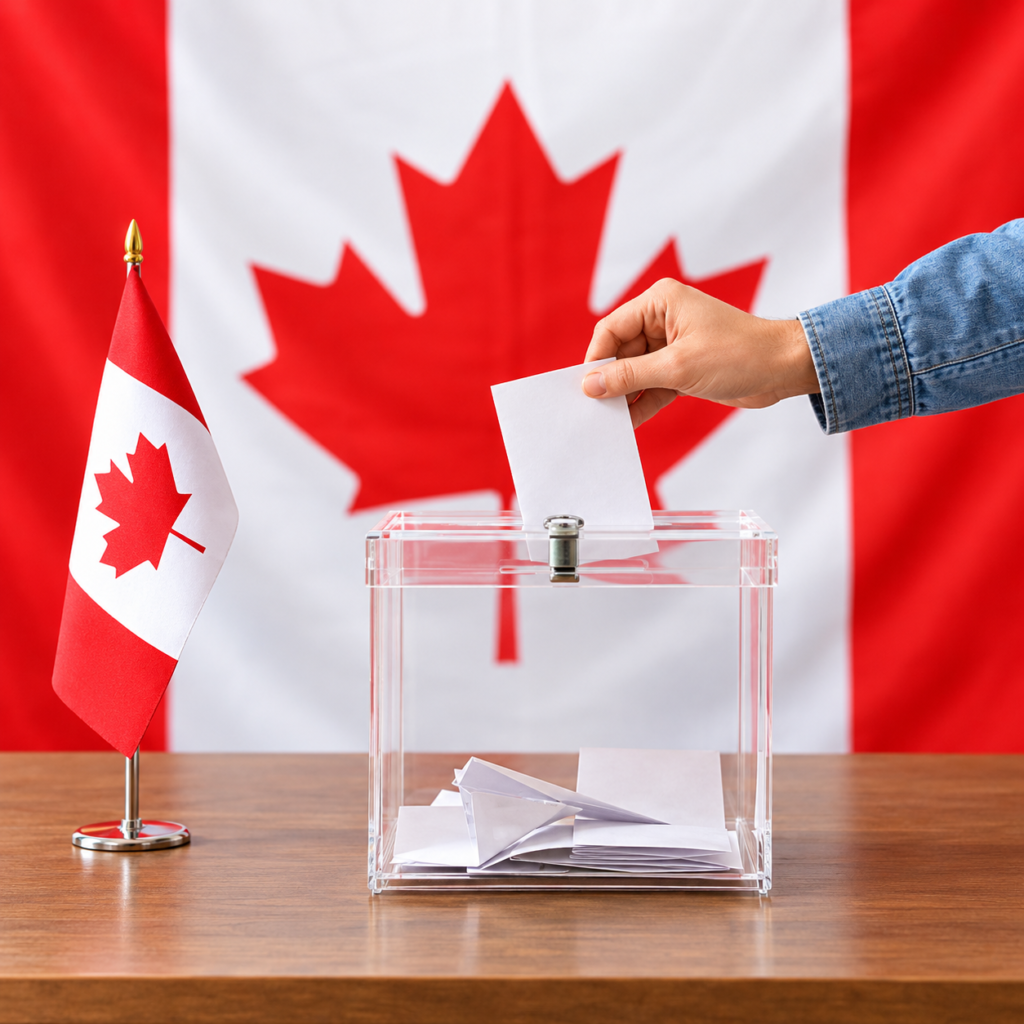
At a regular polling station, voters receive a ballot and mark their choice according to the instructions provided. The completed ballot is then placed in the ballot box.
What Is Advance Voting?
Advance voting allows eligible voters to cast their ballot before election day. At federal elections, advance polls are normally held on the 10th, 9th, 8th and 7th days before election day.
The dates, hours and location of advance polls are provided by Elections Canada after an election is called. Voters can use their voter information card or Elections Canada’s online services to find their polling location.
What Is Mail-In Voting?
Federal voters who cannot or do not want to vote at a regular polling station can apply to vote by special ballot. This can be done by mail or, in some circumstances, in person at an Elections Canada office.
Canadians living outside Canada who meet the eligibility requirements can also apply to vote by special ballot. Once a special-ballot application is accepted, the voter must use that method rather than voting again at an advance or election-day poll.
How are Election Results Determined?
After voting ends, election workers count the ballots. At the federal level, the candidate who receives the most votes in an electoral district wins that seat in the House of Commons.
Federal election results are published by Elections Canada. Results can include the number of votes received by each candidate, voter turnout and the distribution of seats across the country.
Election results for provincial, territorial and municipal elections are reported by the relevant electoral authorities.
What are Electoral Districts and Ridings?
An electoral district is a geographic area represented by an elected member. In federal politics, electoral districts are commonly called ridings.
Each federal riding elects one Member of Parliament to the House of Commons. The boundaries of federal electoral districts are periodically reviewed and adjusted to reflect population changes and other requirements.
What are House of Commons Updates?
The House of Commons is Canada’s elected federal chamber. Members of Parliament debate proposed laws, examine government policies, vote on legislation and question ministers.
House of Commons updates can include new bills, debates, votes, Question Period, committee reports and government announcements. The parliamentary record allows Canadians to follow the work of their elected representatives.
What are Senate Updates?
The Senate is the upper chamber of Canada’s Parliament. Senators review legislation, conduct studies, debate national issues and participate in votes.
Senate updates include new bills, amendments, committee reports, debates, motions and votes. The Senate publishes its Order Paper, Journals and Debates so the public can follow its work.
What are Bills and Legislation?
A bill is a proposed law introduced in Parliament. Bills must pass through several parliamentary stages before they can become law, including readings, debate, committee examination and votes in both chambers.
Bills can begin in either the House of Commons or the Senate, although financial legislation has special constitutional rules. Canadians can track the progress of federal bills through Parliament’s legislative information services.
What are New Laws in Canada?
A bill becomes law after it has completed the required parliamentary process and receives Royal Assent. The final legislation is then published as an Act.
For example, on June 18, 2026, Royal Assent was given to several bills, including legislation concerning the Criminal Code, National Defence Act, Build Canada Homes, the Canada Elections Act and housing supply payments.
What are Parliamentary Debates?
Parliamentary debates are discussions among MPs and Senators about bills, motions, government policies and other matters before Parliament.
The official written records are known as Hansard. Senate Debates provide a public record of senators’ remarks, questions and exchanges, while parliamentary records also document proceedings in the House of Commons.
What Is the Question Period?
Question Period gives MPs an opportunity to question the government about its policies, decisions and administration. Ministers respond to questions concerning their responsibilities and government activities.
The Senate also has a Question Period as part of its proceedings. The Senate’s Order Paper shows Question Period as part of a typical sitting day.
What are Parliamentary Committees?
Parliamentary committees examine bills, government spending, programs and specific issues in greater detail. Committees can hear from ministers, government officials, experts, organizations and other witnesses.
Committee work can lead to reports and recommendations. Senate committees, for example, scrutinize bills, study national issues and examine government spending proposals before reporting their findings to the Senate.
What are Government Motions?
A government motion is a proposal put before Parliament by the government or its representatives. Motions can address parliamentary procedures, government priorities, policies or other matters.
A motion may be debated and then voted on according to parliamentary rules. Senate proceedings, for example, include government notices of motions as part of the chamber’s regular business.
What are Opposition Motions?
Opposition motions are proposals brought forward by members or parties that are not part of the government. They provide an opportunity for opposition MPs to raise issues and seek debate or decisions in Parliament.
The rules and opportunities for opposition business differ between the House of Commons and Senate. The outcome of a motion depends on the parliamentary process and the votes of members or senators.
What are Votes in Parliament?
Votes allow MPs and Senators to make formal decisions on bills, motions and other parliamentary matters. A vote can occur at different stages of the legislative process.
Parliamentary records document voting results. Senate Journals, for example, provide official records of decisions and vote results, while Senate Hansard also records the results of votes in the chamber.
What are Parliamentary Investigations?
Parliamentary investigations and studies are generally conducted through committees. A committee can examine a particular issue, government program, proposed legislation or matter of public importance.
Committees can invite witnesses, request information and review documents as permitted by parliamentary rules. Their work can result in reports containing findings and recommendations.
What are Major Parliamentary Announcements?
Major parliamentary announcements can involve new legislation, government motions, committee reports, parliamentary decisions, Royal Assent and other significant developments.
For example, the Senate’s June 18, 2026 proceedings recorded Royal Assent for several federal bills, including legislation relating to cybersecurity, criminal law, national defence, housing and federal elections.
What Is the Liberal Party of Canada?
The Liberal Party of Canada is a federal political party represented in the House of Commons. Its current leader is Mark Carney, who is also Canada’s Prime Minister.
The party develops policies and platforms covering areas such as the economy, healthcare, housing, immigration, climate, international relations and other federal responsibilities. Its elected MPs form the Liberal parliamentary caucus.
What Is the Conservative Party of Canada?
The Conservative Party of Canada is a federal political party represented in the House of Commons. Its current leader is Pierre Poilievre.
The party develops policy proposals and election platforms covering areas such as taxation, economic policy, public safety, energy, government spending, immigration and other national issues. Conservative MPs form the Conservative parliamentary caucus.
What Is the New Democratic Party (NDP)?
The New Democratic Party is a registered federal political party and is represented in the House of Commons. Elections Canada’s current party register lists Avram Lewis as the NDP leader.
The NDP develops policies and election platforms covering areas such as social programs, labour, healthcare, housing, affordability and other federal issues. Its elected MPs work together as the NDP parliamentary caucus.
What Is the Bloc Québécois?
The Bloc Québécois is a federal political party whose electoral representation is concentrated in Quebec. Its current leader is Yves-François Blanchet.
The party focuses particularly on issues affecting Quebec and supports Quebec sovereignty. Bloc Québécois MPs represent Quebec electoral districts in the House of Commons and participate in federal parliamentary debates and votes.
What Is the Green Party of Canada?
The Green Party of Canada is a registered federal political party represented in the House of Commons. Its current leader is Elizabeth May.
The party develops policies on environmental, economic, social and democratic issues. Its MPs participate in parliamentary debates, committees and votes as part of the party’s parliamentary organization.
What are Party Leadership Changes?
Political party leadership can change when a leader resigns, loses a leadership contest or is replaced according to the party’s rules. A leadership change can affect the party’s organization, parliamentary strategy and election preparations.
In 2025 and 2026, federal party leadership has included changes and leadership processes. Elections Canada’s political-financing records, for example, list leadership contests involving the Liberal Party, NDP and Green Party during this period.
What are Party Policies?
Party policies describe a party’s position or proposed approach to particular issues. These can include taxation, healthcare, housing, immigration, defence, climate, energy, employment and government spending.
Policies can change over time. The most reliable way to understand a party’s current position is to consult its latest official policy documents, statements and election platform rather than relying only on older campaign material.
What are Party Platforms?
A party platform is a collection of commitments and proposals presented to voters, particularly during an election campaign. Platforms can explain what a party says it would do if elected.
Federal platforms can cover government spending, taxes, economic policy, social programs, foreign affairs, immigration and other national issues. The proposals in different platforms can be compared based on their published details without assuming that every proposal will ultimately become government policy.
What are Leadership Contests?
A leadership contest is a process through which members of a political party select a new leader. Each party establishes its own rules for leadership elections, including eligibility, voting procedures and campaign requirements.
Federal leadership contests are subject to political-financing rules administered by Elections Canada. Official Elections Canada records include registration information for leadership contests.
What Is Parliamentary Representation?
Parliamentary representation refers to the number of elected MPs belonging to each party in the House of Commons. Canada currently has 343 electoral districts and 343 House of Commons seats.
Following the April 28, 2025 federal election, Elections Canada reported 169 Liberal seats, 144 Conservative seats, 22 Bloc Québécois seats, 7 NDP seats and 1 Green Party seat. Parliamentary membership can subsequently change because of resignations, by-elections, party affiliation changes or other developments.
What are Party Announcements?
Political party announcements can cover new policies, leadership decisions, candidates, campaign plans, parliamentary positions, funding proposals and responses to government legislation.
Announcements are normally communicated through party websites, news conferences, speeches, press releases and social media. Because party announcements represent the position of the party making them, they should be distinguished from legislation or government decisions that have already been formally adopted.
What are Political Caucuses?
A political caucus is a group of elected representatives from the same political party who work together in Parliament. Federal party caucuses discuss legislation, parliamentary strategy, policies and other political matters.
Government and opposition parties both have parliamentary caucuses. Caucus discussions can help MPs coordinate their positions, while individual MPs remain members of Parliament representing their own electoral districts.
Who are the First Nations?
First Nations are one of the three distinct Indigenous Peoples recognized in Canada. The term includes many different Nations and communities with their own histories, cultures, languages, traditions and systems of governance.
First Nations communities are located across Canada, both on and off reserve. Their relationships with the Crown can be shaped by historical and modern treaties, agreements, legislation and recognized Indigenous rights.
Who are the Inuit?
Inuit are one of Canada’s three distinct Indigenous Peoples. Inuit communities are primarily located in the northern regions of Canada, particularly across Inuit Nunangat.
Inuit have distinct languages, cultures, traditions and political organizations. Government-to-government and Inuit-Crown relationships include matters such as modern treaties, self-determination, land and resource management, and northern development. Canada’s UN Declaration Action Plan also includes specific priorities concerning Inuit self-determination and treaty implementation.
Who are the Métis?
Métis are one of the three distinct Indigenous Peoples recognized in Canada. Métis communities have their own history, culture, traditions, political organizations and connections to specific regions.
Métis rights and self-government have become important parts of Canada’s evolving Indigenous-Crown relationships. In 2026, the Government of Canada introduced Bill C-21, which, if passed, would give effect to the Red River Métis Self-Government Recognition and Implementation Treaty.
What are Indigenous Rights in Canada?
Indigenous rights include Aboriginal and treaty rights recognized and affirmed by section 35 of the Constitution Act, 1982. These rights can vary between Indigenous Peoples and communities depending on their histories, treaties, agreements and circumstances.
Indigenous rights can involve land, harvesting, culture, language, self-government and other matters. The United Nations Declaration Act also establishes a framework for federal laws and policies to be consistent with the United Nations Declaration on the Rights of Indigenous Peoples.
What are Treaties?
Treaties are agreements between Indigenous Peoples and the Crown. They can establish rights, responsibilities, land arrangements and ongoing relationships between the parties.
Canada has historic treaties covering large areas of the country as well as modern treaties negotiated in more recent decades. Treaty implementation remains an ongoing area of federal-Indigenous relations.
Treaty-related claims continue to be addressed. For example, in August 2026, Canada announced settlements with The Key First Nation and Muskeg Lake Cree Nation concerning agricultural benefits promised under Treaties 4 and 6. The settlements provided more than C$209.5 million in compensation.
What are Indigenous Land Claims?
Land claims are processes through which Indigenous groups address unresolved questions concerning land, treaty obligations or other commitments made by the Crown.
Specific claims can involve situations where Canada is alleged to have failed to meet certain obligations under treaties or other legal commitments. Comprehensive claims and modern treaties can address broader land and self-government arrangements.
In September 2026, Hatchet Lake Denesuline First Nation reached a settlement concerning a Treaty 10 land entitlement claim. The agreement provided more than C$29.6 million in compensation and allowed the First Nation to pursue an addition of up to 28,118 acres to its land base under the applicable process.
What are Indigenous Communities in Canada?
Indigenous communities are diverse and are located in urban, rural, northern and remote areas. First Nations, Inuit and Métis communities have different governance structures, cultural traditions, languages and social and economic circumstances.
Community priorities can include housing, infrastructure, education, healthcare, economic development, land management, cultural preservation and language revitalization. Government programs and agreements increasingly involve working directly with Indigenous governments and organizations.
What Is Reconciliation in Canada?
Reconciliation refers to the ongoing process of addressing the historical and continuing effects of colonial policies and rebuilding relationships between Indigenous Peoples and governments.
The Government of Canada describes reconciliation as involving renewed nation-to-nation, government-to-government and Inuit-Crown relationships based on recognition of rights, respect, cooperation and partnership.
The work includes treaty implementation, addressing historical claims, supporting Indigenous self-determination, protecting rights and implementing measures connected to the Truth and Reconciliation Commission and the United Nations Declaration.
What Is Indigenous Self-Government?
Indigenous self-government allows Indigenous governments and communities to exercise greater authority over matters affecting their people and lands through negotiated agreements, treaties and other arrangements.
Self-government arrangements can cover areas such as governance, education, culture, land management, social services and economic development. Canada recognizes Indigenous self-government as part of its evolving system of cooperative federalism.
First Nations have also developed their own land-management systems. As of May 2026, 124 First Nations were operating under their own enacted land codes through the First Nation Land Management Framework.
What Is Indigenous Economic Development?
Indigenous economic development includes businesses, employment, investment, entrepreneurship, resource development, procurement and community economic initiatives led or supported by Indigenous Peoples.
Land governance and economic development can be closely connected. Canada’s 2026 work on the Additions to Reserve Policy, for example, identifies land as important for First Nations housing, infrastructure, investment and economic participation.
Indigenous businesses also participate in Canada’s broader economy through sectors such as construction, tourism, natural resources, professional services, technology, agriculture and retail.
What are Indigenous Languages and Culture?
Canada is home to many Indigenous languages and cultural traditions. First Nations, Inuit and Métis communities maintain diverse languages, arts, ceremonies, knowledge systems, stories and traditions.
Indigenous languages are closely connected to cultural identity and the transmission of history and knowledge. In March 2026, the federal government highlighted the role of Indigenous languages in sustaining First Nations, Inuit and Métis cultures and carrying their histories forward.
Cultural revitalization can include language programs, education, museums, archives, traditional knowledge initiatives, arts, community programs and support for Indigenous creators.
What are Government–Indigenous Relations?
Government–Indigenous relations involve the federal government, Indigenous governments and organizations, and provincial and territorial governments. These relationships cover treaties, rights, self-government, land, resources, infrastructure, economic development and public services.
Canada’s current approach includes consultation and cooperation with First Nations, Inuit and Métis partners. The federal government’s 2026 progress report on the United Nations Declaration Act covered 181 Action Plan measures and incorporated contributions from federal departments and Indigenous partners.
Who are the First Nations?
First Nations are one of the three distinct Indigenous Peoples recognized in Canada. The term includes many different Nations and communities with their own histories, cultures, languages, traditions and systems of governance.
First Nations communities are located across Canada, both on and off reserve. Their relationships with the Crown can be shaped by historical and modern treaties, agreements, legislation and recognized Indigenous rights.
Who are the Inuit?
Inuit are one of Canada’s three distinct Indigenous Peoples. Inuit communities are primarily located in the northern regions of Canada, particularly across Inuit Nunangat.
Inuit have distinct languages, cultures, traditions and political organizations. Government-to-government and Inuit-Crown relationships include matters such as modern treaties, self-determination, land and resource management, and northern development. Canada’s UN Declaration Action Plan also includes specific priorities concerning Inuit self-determination and treaty implementation.
Who are the Métis?
Métis are one of the three distinct Indigenous Peoples recognized in Canada. Métis communities have their own history, culture, traditions, political organizations and connections to specific regions.
Métis rights and self-government have become important parts of Canada’s evolving Indigenous-Crown relationships. In 2026, the Government of Canada introduced Bill C-21, which, if passed, would give effect to the Red River Métis Self-Government Recognition and Implementation Treaty.
What are Indigenous Rights in Canada?
Indigenous rights include Aboriginal and treaty rights recognized and affirmed by section 35 of the Constitution Act, 1982. These rights can vary between Indigenous Peoples and communities depending on their histories, treaties, agreements and circumstances.
Indigenous rights can involve land, harvesting, culture, language, self-government and other matters. The United Nations Declaration Act also establishes a framework for federal laws and policies to be consistent with the United Nations Declaration on the Rights of Indigenous Peoples.
What are Treaties?
Treaties are agreements between Indigenous Peoples and the Crown. They can establish rights, responsibilities, land arrangements and ongoing relationships between the parties.
Canada has historic treaties covering large areas of the country as well as modern treaties negotiated in more recent decades. Treaty implementation remains an ongoing area of federal-Indigenous relations.
Treaty-related claims continue to be addressed. For example, in August 2026, Canada announced settlements with The Key First Nation and Muskeg Lake Cree Nation concerning agricultural benefits promised under Treaties 4 and 6. The settlements provided more than C$209.5 million in compensation.
What are Indigenous Land Claims?
Land claims are processes through which Indigenous groups address unresolved questions concerning land, treaty obligations or other commitments made by the Crown.
Specific claims can involve situations where Canada is alleged to have failed to meet certain obligations under treaties or other legal commitments. Comprehensive claims and modern treaties can address broader land and self-government arrangements.
In September 2026, Hatchet Lake Denesuline First Nation reached a settlement concerning a Treaty 10 land entitlement claim. The agreement provided more than C$29.6 million in compensation and allowed the First Nation to pursue an addition of up to 28,118 acres to its land base under the applicable process.
What are Indigenous Communities in Canada?
Indigenous communities are diverse and are located in urban, rural, northern and remote areas. First Nations, Inuit and Métis communities have different governance structures, cultural traditions, languages and social and economic circumstances.
Community priorities can include housing, infrastructure, education, healthcare, economic development, land management, cultural preservation and language revitalization. Government programs and agreements increasingly involve working directly with Indigenous governments and organizations.
What Is Reconciliation in Canada?
Reconciliation refers to the ongoing process of addressing the historical and continuing effects of colonial policies and rebuilding relationships between Indigenous Peoples and governments.
The Government of Canada describes reconciliation as involving renewed nation-to-nation, government-to-government and Inuit-Crown relationships based on recognition of rights, respect, cooperation and partnership.
The work includes treaty implementation, addressing historical claims, supporting Indigenous self-determination, protecting rights and implementing measures connected to the Truth and Reconciliation Commission and the United Nations Declaration.
What Is Indigenous Self-Government?
Indigenous self-government allows Indigenous governments and communities to exercise greater authority over matters affecting their people and lands through negotiated agreements, treaties and other arrangements.
Self-government arrangements can cover areas such as governance, education, culture, land management, social services and economic development. Canada recognizes Indigenous self-government as part of its evolving system of cooperative federalism.
First Nations have also developed their own land-management systems. As of May 2026, 124 First Nations were operating under their own enacted land codes through the First Nation Land Management Framework.
What Is Indigenous Economic Development?
Indigenous economic development includes businesses, employment, investment, entrepreneurship, resource development, procurement and community economic initiatives led or supported by Indigenous Peoples.
Land governance and economic development can be closely connected. Canada’s 2026 work on the Additions to Reserve Policy, for example, identifies land as important for First Nations housing, infrastructure, investment and economic participation.
Indigenous businesses also participate in Canada’s broader economy through sectors such as construction, tourism, natural resources, professional services, technology, agriculture and retail.

What are Indigenous Languages and Culture?
Canada is home to many Indigenous languages and cultural traditions. First Nations, Inuit and Métis communities maintain diverse languages, arts, ceremonies, knowledge systems, stories and traditions.
Indigenous languages are closely connected to cultural identity and the transmission of history and knowledge. In March 2026, the federal government highlighted the role of Indigenous languages in sustaining First Nations, Inuit and Métis cultures and carrying their histories forward.
Cultural revitalization can include language programs, education, museums, archives, traditional knowledge initiatives, arts, community programs and support for Indigenous creators.
What are Government–Indigenous Relations?
Government–Indigenous relations involve the federal government, Indigenous governments and organizations, and provincial and territorial governments. These relationships cover treaties, rights, self-government, land, resources, infrastructure, economic development and public services.
Canada’s current approach includes consultation and cooperation with First Nations, Inuit and Métis partners. The federal government’s 2026 progress report on the United Nations Declaration Act covered 181 Action Plan measures and incorporated contributions from federal departments and Indigenous partners.
Final Verdict
Canada’s government and political system is divided among federal, provincial or territorial, and municipal governments, with each level responsible for different areas of public administration. Parliament, elections, political parties, courts, Indigenous governments and local councils all contribute to how Canada is governed.
Understanding these levels of government makes it easier to follow Canadian politics, elections, legislation, budgets, public policies and government decisions. It also helps Canadians understand which government is responsible for issues affecting their daily lives, from immigration and national defence to healthcare, education, housing, transportation and local services.
Table of Contents

Leave a Reply