
World News Canada 2026
Introduction
Canada’s global position in 2026 is being shaped by changing trade relationships, geopolitical tensions, international conflicts, energy security and stronger partnerships around the world. From Canada–U.S. trade and border relations to growing engagement with the Indo-Pacific, Europe, the Middle East, Africa and Latin America, Canada is working to protect its economic and national interests while expanding its international partnerships. This guide explores the major global developments affecting Canada and explains how international events can influence Canadian trade, security, energy, businesses and communities.
World News
United States
What are the latest Canada–U.S. political developments?
Canada or U.S. relations remain one of the most important parts of Canada’s foreign policy because of the countries’ close economic, security and social ties. Political discussions continue to focus on trade, tariffs, border security, defence, energy and continental cooperation. Canada is also working to protect its national interests while maintaining a stable relationship with Washington. Changes in U.S. domestic policy can have direct consequences for Canadian businesses, workers and communities.
How are Canada–U.S. trade and tariff relations changing?
Trade and tariffs remain major issues between Canada and the United States. Canada has responded to U.S. tariff measures with negotiations, countermeasures and efforts to diversify international trade. Businesses on both sides of the border are watching changes closely because tariffs can increase costs and disrupt supply chains. The future of the Canada–U.S. trade relationship remains particularly important for Canadian exporters.
How are U.S. policies affecting the Canadian economy?
U.S. policies can influence Canada’s economy through trade, investment, energy markets and currency movements. Changes in American tariffs can affect Canadian manufacturers, farmers, energy producers and other exporters. U.S. economic growth also affects demand for Canadian products and services. As a result, Canada must closely monitor changes in U.S. economic and trade policy.
What are the major issues in Canada–U.S. border relations?
Border relations involve trade flows, immigration, asylum claims, customs, security and the movement of people and goods. Canada and the United States continue to cooperate on border security while trying to keep legitimate trade and travel moving efficiently. Changes in U.S. immigration enforcement can also create additional pressure at the border. Maintaining a secure and efficient border is important for both economies.
How are changes in U.S. immigration policies affecting Canadians?
Changes in U.S. immigration and visa policies can affect Canadians who travel, work, study or conduct business in the United States. New enforcement policies can also influence cross-border migration and asylum patterns. Canadians with family, employment or business connections in the U.S. may need to monitor policy changes carefully. Canada also considers the wider effects of U.S. immigration policy when managing its own border and immigration systems.
How is Canada responding to U.S. economic and trade pressure?
Canada is using negotiations, trade measures, business-support programs and international diversification to respond to economic pressure from the United States. The government is also encouraging Canadian companies to develop new export markets. Strengthening domestic production and infrastructure is another part of reducing economic vulnerability. The goal is to protect Canadian workers and businesses while maintaining an important relationship with the U.S.
What are the key Canada–U.S. energy and resource issues?
Energy is a central part of Canada–U.S. economic relations. Canada supplies the United States with major amounts of oil, natural gas, electricity and other resources. Cross-border pipelines and electricity networks make the two energy systems highly connected. Tariffs, energy security, infrastructure and efforts to expand Canadian exports to other markets are therefore important issues.
What major developments could shape Canada–U.S. relations?
Future relations will likely be shaped by tariffs, trade negotiations, border security, energy, defence and continental economic cooperation. U.S. political decisions will remain important for Canadian policy. Canada is also seeking stronger relationships with other international markets to reduce excessive dependence on one trading partner. Overall, maintaining cooperation while protecting Canadian economic interests will remain a major priority.
Middle East
What are the latest developments in Canada’s relations with the Middle East?
Canada maintains diplomatic, economic and security relationships with countries across the Middle East. Canadian policy focuses on regional stability, humanitarian assistance, trade, security and the protection of Canadian citizens. Canada also works with international partners when responding to conflicts and humanitarian emergencies. Developments in the region can influence Canada’s foreign policy, energy markets and security priorities.
How is Canada responding to major conflicts in the Middle East?
Canada generally emphasizes diplomacy, international law, humanitarian assistance and protection of civilians when responding to regional conflicts. The government works with international partners to support humanitarian relief and diplomatic efforts. Canada may also provide assistance to Canadians affected by conflict or help with evacuation efforts when necessary. Regional conflicts remain an important foreign-policy concern.
What is Canada’s position on Israel and Palestine?
Canada supports the pursuit of a negotiated two-state solution involving Israel and a future Palestinian state living in peace and security. Canadian policy also emphasizes civilian protection, humanitarian assistance and respect for international law. The situation can create significant political debate within Canada. Canada’s position continues to evolve in response to developments on the ground and international diplomatic efforts.
How are Middle East conflicts affecting Canadian foreign policy?
Conflicts in the Middle East influence Canada’s diplomatic, humanitarian and security priorities. Canada must balance relationships with regional partners while responding to humanitarian crises and international security concerns. These conflicts can also affect Canada’s positions at the United Nations and other international organizations. The safety of Canadian citizens abroad is another major consideration.
How is Canada supporting humanitarian efforts in the region?
Canada provides humanitarian assistance through international organizations and humanitarian partners responding to conflict, displacement, food insecurity and healthcare needs. Assistance can include support for food, shelter, healthcare and emergency services. Canada also works with international partners to improve humanitarian access. The scale and type of assistance can change as regional conditions develop.
How are Middle East developments affecting Canadian trade and energy?
The Middle East is important to global energy markets, meaning regional instability can influence oil and gas prices. Higher energy prices can affect Canadian consumers and businesses through transportation and production costs. At the same time, Canada is a major energy producer and can benefit from strong global demand. Canada also has trade and investment relationships with several Middle Eastern economies.
How are conflicts in the region affecting Canadians and Canadian citizens abroad?
Conflicts can create risks for Canadian citizens who live, work or travel in affected countries. The Canadian government may issue travel advisories and provide consular assistance during serious emergencies. Evacuation or assisted-departure operations may sometimes be considered when security conditions deteriorate. Canadians abroad are encouraged to follow official government safety information during major crises.
What role is Canada playing in Middle East diplomacy and peace efforts?
Canada participates in diplomatic discussions through bilateral relationships and international organizations. It supports negotiations, humanitarian access and peaceful solutions where possible. Canada also works with allies and partners on regional security and humanitarian issues. Its influence is generally strongest through diplomacy, development assistance, coalition-building and international cooperation.
Asia & Pacific
What are the latest developments in Canada’s relations with Asia-Pacific countries?
Asia-Pacific countries are becoming increasingly important to Canada’s trade, investment and security strategy. Canada maintains relationships with China, India, Japan, South Korea, ASEAN members, Australia and other regional partners. The government is seeking to expand economic connections while addressing security and geopolitical challenges. The region is central to Canada’s efforts to diversify international partnerships.
How is Canada strengthening its Indo-Pacific strategy?
Canada’s Indo-Pacific approach focuses on trade diversification, security, diplomacy, supply chains, critical minerals and people-to-people connections. Canada is strengthening partnerships with countries that share economic and security interests. The strategy also recognizes the importance of maintaining a stable and rules-based regional order. Canada’s presence in the Indo-Pacific has therefore become a major part of its foreign policy.
How are Canada–China relations developing?
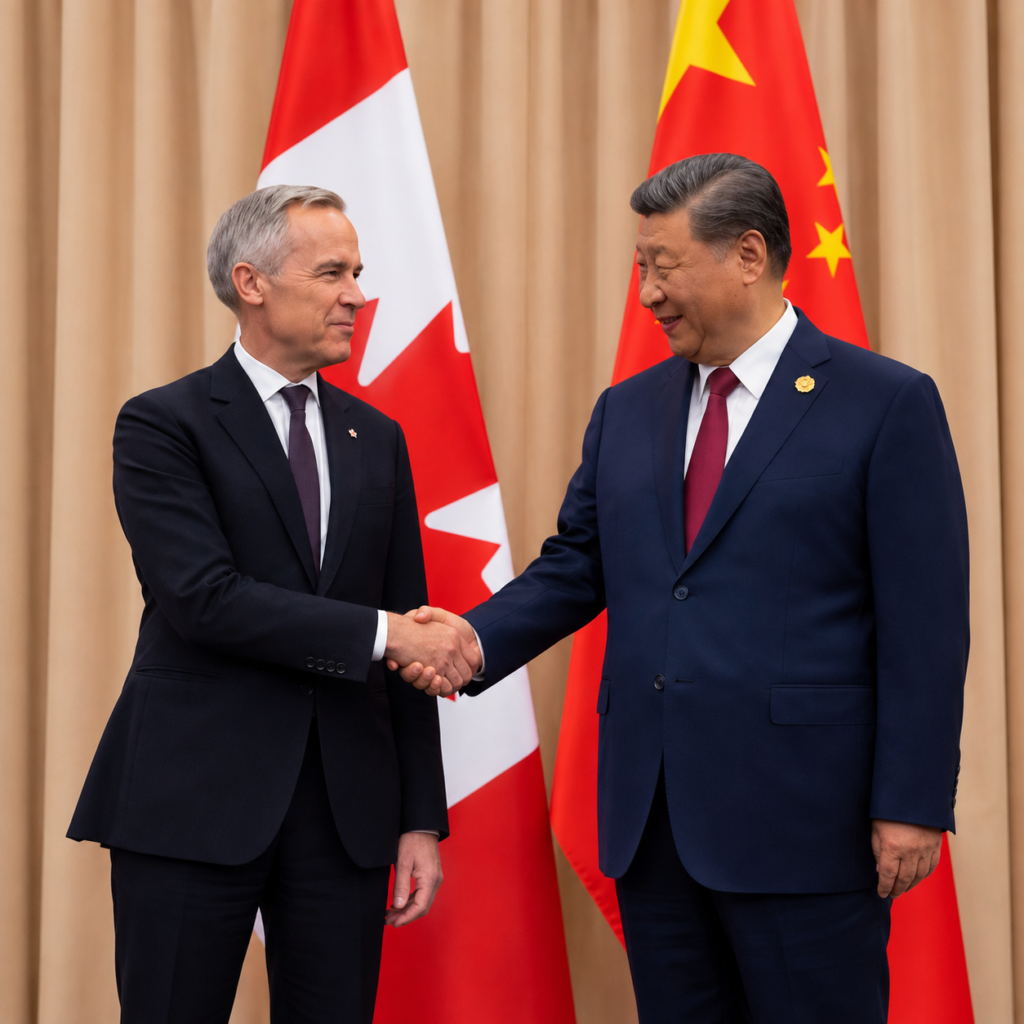
Canada–China relations remain complex because of significant economic connections alongside disagreements over trade, security, human rights and foreign interference concerns. Canada continues to engage China while protecting national-security interests. Trade diversification is also becoming increasingly important for Canadian companies. The relationship therefore combines economic engagement with greater attention to strategic risks.
What are the major issues in Canada–India relations?
Canada–India relations involve trade, education, immigration, investment and large people-to-people connections. At the same time, diplomatic and security disagreements have created challenges in the relationship. Both countries have economic reasons to maintain engagement. Canada continues to manage these issues while seeking opportunities for trade and cooperation.
How are Canada–Japan and Canada–South Korea relations evolving?
Japan and South Korea are important Canadian partners in the Indo-Pacific. Cooperation includes trade, technology, clean energy, critical minerals, defence and supply-chain security. Both countries are also important partners in efforts to maintain regional stability. Canada is seeking to deepen these relationships as part of its broader Indo-Pacific strategy.
How is Canada expanding trade with Asia-Pacific markets?
Canada is seeking to increase exports to Asia-Pacific markets through trade agreements, diplomatic engagement and business partnerships. Agriculture, energy, minerals, technology and advanced manufacturing offer important opportunities. Diversification can help Canadian businesses reduce reliance on the U.S. market. However, geopolitical tensions and different regulatory systems can create challenges.
How are security developments in the Indo-Pacific affecting Canada?
Security concerns involving China, Taiwan, North Korea and maritime disputes have wider implications for Canada. Canada is a Pacific country and has an interest in freedom of navigation, international law and stable supply chains. Defence cooperation with regional partners has therefore become more important. Developments in the region can also affect Canada’s national security and economic interests.
What role is Canada playing in regional cooperation and diplomacy?
Canada participates in regional organizations, diplomatic initiatives and security partnerships across the Indo-Pacific. It works with allies and partners on trade, maritime security, climate change, development and regional stability. Canada is also expanding diplomatic and economic engagement in Southeast Asia. These efforts are intended to strengthen Canada’s long-term role in the region.
Europe
What are the latest developments in Canada or Europe relations?
Canada maintains close political, economic and security relationships with European countries. The European Union is an important Canadian trade and investment partner, while European countries are major allies through NATO. Cooperation covers trade, defence, energy, climate policy and international diplomacy. The war in Ukraine has further strengthened Canada’s security cooperation with Europe.
How is Canada strengthening its relationship with the European Union?
Canada and the EU cooperate through the Comprehensive Economic and Trade Agreement, known as CETA. The partnership provides opportunities for Canadian businesses in areas such as agriculture, services, manufacturing and investment. Canada is also working with European partners on critical minerals, clean energy and supply-chain resilience. Stronger EU ties are particularly important as Canada seeks to diversify trade.
How is the war in Ukraine affecting Canada’s foreign policy?
The war in Ukraine remains a major Canadian foreign-policy priority. Canada has provided support through military assistance, financial assistance, humanitarian programs and sanctions. Canada also works with European allies to strengthen Ukraine and broader European security. The conflict has increased the importance of NATO and Canada’s role in European defence.
What role is Canada playing in European security and NATO?
Canada is a NATO member and contributes to collective defence in Europe. Canadian military personnel and resources support NATO activities and deterrence efforts. Canada also works with European allies on defence planning, intelligence and security cooperation. European security has become increasingly important to Canadian defence policy.
How are Canada–UK relations developing?
Canada and the United Kingdom have long-standing political, economic, cultural and security ties. Both countries cooperate through NATO, the Commonwealth and other international organizations. Trade, defence, intelligence, technology and investment remain important areas. Canada also continues to develop its bilateral relationship with the UK independently of its broader European relationships.
How is Canada expanding trade and investment with European countries?
Canada is seeking stronger European trade relationships in sectors such as energy, critical minerals, agriculture, technology and clean manufacturing. CETA provides an important foundation for commercial cooperation with the EU. Canadian companies can also benefit from European investment and technology partnerships. Diversifying trade with Europe can strengthen Canada’s economic resilience.
How are European security issues affecting Canada?
European security developments can affect Canadian defence spending, NATO commitments, energy markets and international diplomacy. The war in Ukraine has demonstrated how instability in Europe can influence global food, energy and financial markets. Canada therefore considers European security directly connected to its own national security. Cooperation with European allies remains essential.
What major European developments could have an impact on Canada?
Changes involving Ukraine, NATO, European energy policy, trade and economic growth could all affect Canada. European demand for energy, critical minerals and technology can create opportunities for Canadian exporters. At the same time, European economic weakness can reduce demand for Canadian goods. Canada therefore closely monitors political and economic developments across Europe.
Africa
What are the latest developments in Canada–Africa relations?
Canada’s relationship with Africa includes diplomacy, development assistance, trade, mining, education and humanitarian cooperation. African countries are becoming increasingly important because of their growing populations, natural resources and emerging markets. Canada is seeking opportunities to deepen economic and diplomatic relationships. African partnerships can also support Canada’s international development and foreign-policy objectives.
How is Canada supporting development and humanitarian programs in Africa?
Canada supports programs addressing food security, healthcare, education, gender equality, climate resilience and humanitarian emergencies. Assistance is often delivered through international organizations, Canadian partners and local organizations. Canada’s development approach increasingly emphasizes locally led solutions and sustainable development. Humanitarian support can also increase during major conflicts or natural disasters.
What are Canada’s major trade and investment interests in Africa?
Mining, agriculture, energy, infrastructure, financial services and technology are important areas for Canadian businesses. Canada has particular expertise in mining and resource development. African economies also offer opportunities for Canadian companies seeking new markets. However, political, regulatory and infrastructure risks must be carefully assessed.
How is Canada responding to conflicts and security issues in Africa?
Canada uses diplomacy, development assistance and cooperation with international partners to respond to conflicts and instability. Humanitarian assistance is particularly important when conflicts create displacement or food insecurity. Canada also supports international efforts aimed at peace and security. The response varies depending on the country and nature of the crisis.
What role does Canada play in African peacekeeping and diplomacy?
Canada has a long history of involvement in international peace and security efforts. It contributes through diplomacy, development programs, training and participation in international missions when appropriate. Canada also works with African governments and international organizations. The objective is to support stability while respecting local leadership and international law.
How are African countries becoming important partners for Canada?
African countries offer Canada opportunities in trade, investment, education, technology and critical minerals. Their growing populations and expanding consumer markets also create long-term economic potential. Canada can benefit from stronger partnerships while African countries can gain access to Canadian investment and expertise. This makes Africa increasingly relevant to Canada’s international diversification strategy.
How are Canada’s mining and critical-mineral interests connected to Africa?
Africa contains significant deposits of minerals important to modern industries and clean technologies. Canadian mining companies already have experience operating in several African markets. Cooperation can support supply-chain diversification for minerals used in batteries, electronics and renewable-energy technologies. Responsible mining, environmental protection and community benefits remain important considerations.
How are African developments affecting immigration and communities in Canada?
Political instability, economic opportunities, education and humanitarian crises can influence migration from African countries to Canada. African communities contribute to Canada’s labour force, universities, businesses and cultural life. Changes in refugee and immigration policies can therefore have significant effects on these communities. Canada also maintains immigration and family connections with many African countries.
Latin America
What are the latest developments in Canada–Latin America relations?
Canada maintains extensive diplomatic, economic and cultural relationships across Latin America and the Caribbean. Mexico is particularly important because of Canada’s North American economic relationship. Brazil, Chile, Peru and other countries are also important partners for Canadian trade and investment. is seeking to strengthen these relationships as part of broader economic diversification.
How is Canada expanding trade with Latin American countries?
Canada is using trade agreements, investment relationships and diplomatic engagement to expand commercial ties. Canadian companies are active in mining, finance, agriculture, energy and infrastructure across the region. Latin American markets can provide new opportunities for Canadian exporters. Greater trade diversification can also reduce Canada’s reliance on a limited number of markets.
What are the major Canada–Mexico economic and political issues?
Canada and Mexico are closely connected through North American trade and supply chains. Major issues include tariffs, manufacturing, energy, agriculture, automotive production and the future of continental trade arrangements. Both countries have an interest in maintaining predictable trade flows. Cooperation between Canada and Mexico can also strengthen their position within North America.
How are Canada–Latin America relations affecting immigration?
Migration and temporary movement between Canada and Latin America involve tourism, education, employment, family reunification and humanitarian protection. Changes in Canadian immigration policies can affect applicants from Latin American countries. Regional economic and political conditions can also influence migration patterns. Canada therefore monitors developments in the region when shaping immigration policies.
What role is Canada playing in regional development and cooperation?
Canada supports development, education, governance, gender equality, climate resilience and economic programs across Latin America. It also works with regional organizations and individual governments on shared challenges. Canadian development assistance can support long-term stability and economic opportunities. These programs complement Canada’s diplomatic and commercial relationships.
How are political changes in Latin America affecting Canada?
Changes in government can influence trade policy, investment rules, immigration, security cooperation and diplomatic relations. Canada must adjust its engagement as political priorities change across the region. Stable relationships are particularly important for Canadian companies operating in Latin American markets. Political developments can also affect regional cooperation and investment conditions.
What opportunities exist for Canadian businesses in Latin American markets?
Opportunities exist in mining, clean energy, agriculture, financial services, infrastructure, technology and professional services. Canadian companies have established experience in several Latin American markets. Demand for infrastructure and energy investment may create additional opportunities. Businesses must nevertheless consider local regulations, political risks and market conditions.
How is Canada responding to security and humanitarian issues in the region?
Canada supports diplomatic cooperation, humanitarian assistance and development programs addressing regional challenges. Security concerns include organized crime, trafficking, political instability and violence in some countries. Canada works with regional partners and international organizations where appropriate. Humanitarian assistance can also help communities affected by disasters, conflict or displacement.
International Relations
What are the latest developments in Canada’s international relations?
Canada’s international relations are being shaped by trade tensions, geopolitical competition, wars, energy security and changing global alliances. Canada is strengthening relationships with traditional allies while developing new economic partnerships. The United States remains Canada’s most important economic relationship, but Europe and the Indo-Pacific are increasingly important. Canada is also seeking greater strategic resilience internationally.
What are Canada’s main foreign-policy priorities?
Canada’s priorities include protecting national security, supporting international peace, expanding trade, defending democratic values and strengthening alliances. Arctic sovereignty, climate change, critical minerals and global economic stability are also increasingly important. Canada seeks to maintain strong relationships with the United States while expanding partnerships elsewhere. These priorities are closely connected to Canada’s economic and security interests.
How is Canada strengthening its global diplomatic partnerships?
Canada is expanding diplomatic engagement across the Indo-Pacific, Europe, Latin America, Africa and other regions. It is seeking stronger relationships through trade missions, international organizations, defence cooperation and development programs. Diversification is particularly important because Canada’s economy remains heavily connected to the U.S. market. Stronger diplomatic networks can create new economic and strategic opportunities.
What role is Canada playing in the United Nations?
Canada participates in the United Nations on issues including peace and security, humanitarian assistance, human rights, climate change and international development. The UN provides an important platform for Canada to work with countries on global challenges. Canada also uses international institutions to support diplomacy and rules-based international cooperation. Its influence often comes through coalition-building and diplomatic engagement.
What role does Canada play in NATO and international security?
Canada is a founding NATO member and contributes to collective defence and international security operations. NATO cooperation is particularly important because of security concerns in Europe and Russia’s war against Ukraine. Canada also works with allies on defence planning, intelligence and military readiness. International security remains a major part of Canadian foreign policy.
How is Canada responding to major global conflicts and crises?
Canada generally responds through diplomacy, humanitarian assistance, sanctions, development programs and cooperation with allies. Its approach varies according to the conflict and Canada’s strategic interests. Protecting Canadian citizens abroad is also an important responsibility during international crises. Canada continues to support international efforts aimed at peace, stability and humanitarian protection.
How is Canada diversifying its international trade and economic partnerships?
Canada is seeking stronger economic relationships with Europe, Asia-Pacific, Latin America and Africa. Critical minerals, energy, agriculture, technology and advanced manufacturing are important areas for diversification. The objective is not to replace the U.S. market but to reduce excessive dependence on one market. New trade and investment relationships can improve Canada’s economic resilience.
What international developments could have the biggest impact on Canada?
The biggest potential impacts come from U.S. trade policy, global conflicts, energy prices, China-U.S. competition, Indo-Pacific security and changes in international supply chains. Climate-related disasters and global economic instability can also affect Canada. Because Canada is deeply integrated into global trade, international disruptions can quickly influence domestic prices, jobs and investment.
How is Canada responding to major changes in the global economy?
Canada is responding through trade diversification, domestic investment, support for strategic industries and stronger international partnerships. The government is also focusing on critical minerals, energy, infrastructure and supply-chain resilience. Businesses are being encouraged to explore new markets and reduce exposure to geopolitical risks. Overall, Canada is attempting to remain globally competitive while protecting its economic and national interests.
Final Verdict
Canada’s international outlook in 2026 is defined by diversification, security and stronger global partnerships. While the United States remains Canada’s most important economic partner, deeper relationships with Europe, Asia-Pacific, Latin America, Africa and the Middle East can strengthen Canada’s resilience. Global conflicts, trade pressures, energy markets and geopolitical competition will continue to create challenges, making flexible diplomacy and strategic economic planning increasingly important for Canada.
Table of Contents

Leave a Reply