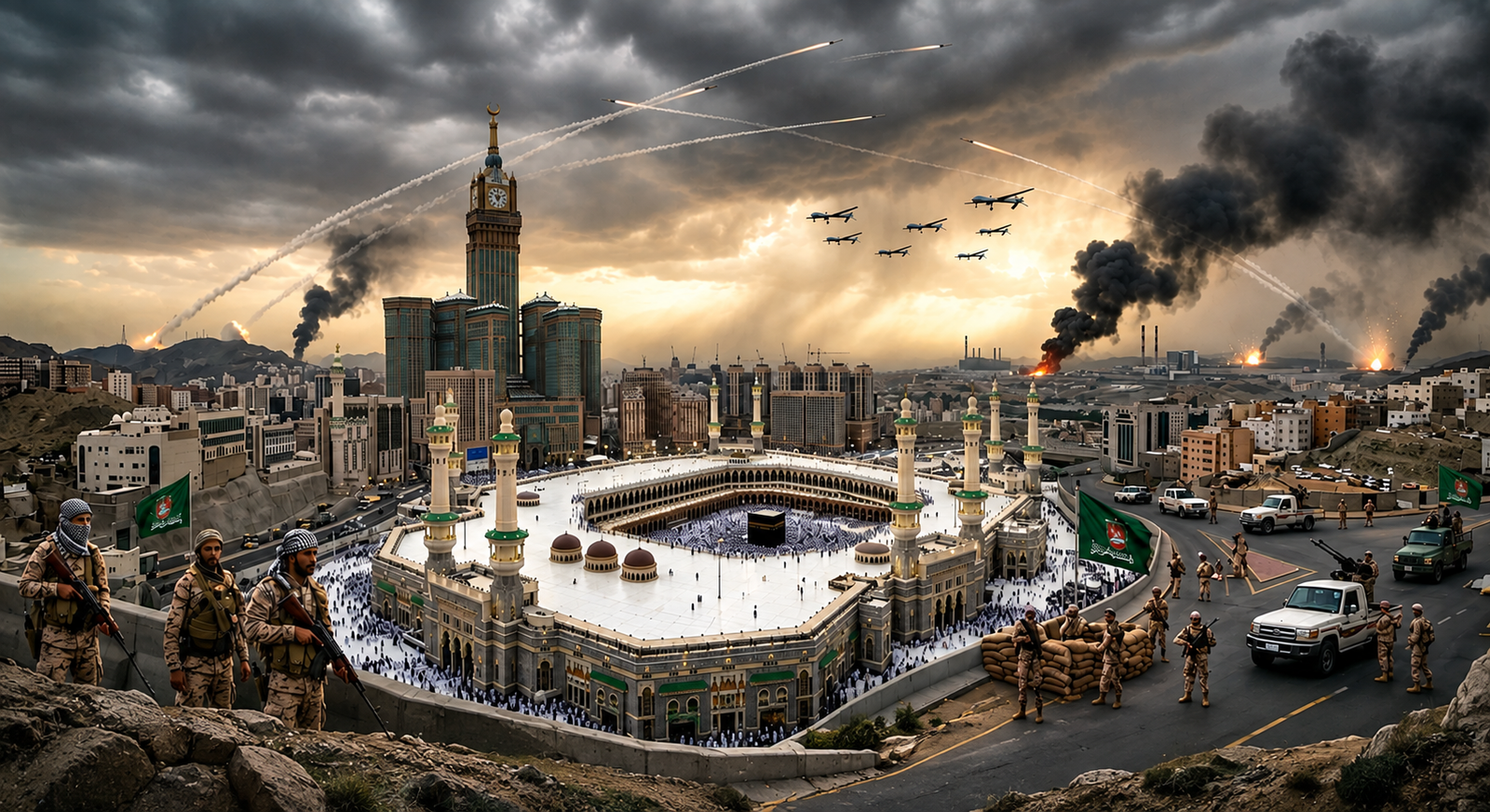
Makkah Under Threat
Introduction
Saudi Arabia Makkah Under Threat is facing a renewed security crisis as drone and missile attacks linked to the wider Yemen and Middle East conflict have increasingly threatened major cities, military facilities, airports and critical energy infrastructure. One of the most sensitive incidents occurred on September 15, 2026, when Saudi Arabia said its air defenses intercepted and destroyed a drone south of Mecca before it entered the holy city’s restricted airspace.
Saudi authorities attributed the drone to Yemen’s Houthi movement and described Mecca as a “red line.” The Houthis, however, denied targeting the holy city and said their attacks were directed at Saudi military and oil facilities. No independent evidence has established that the drone was actually intended to strike Mecca, and the drone did not reach the Grand Mosque or other holy sites.
The incident came as the wider Saudi Houthi conflict was escalating. Houthi missile and drone attacks have also been reported or claimed against locations including Riyadh and Yanbu, while Saudi Arabia has faced damage to important oil infrastructure. The reported September 11 attack on the East-West oil pipeline further raised concerns about Saudi Arabia’s ability to protect energy routes that are strategically important for global oil supplies.
The security situation also has a wider regional dimension. Iran has been accused of providing military and strategic support to the Houthis, while Tehran says it does not control the movement. At the same time, Saudi Arabia and Iran have been navigating diplomatic tensions, regional security concerns and the broader conflict involving Yemen, the Red Sea and the Strait of Hormuz.
This report examines the September 15 drone incident near Mecca, Saudi Arabia’s air-defense response, the Houthi position, reactions from Pakistan and other Muslim-majority countries, previous threats to Mecca, and the wider impact on Saudi security. It also looks at the alleged Iranian role, attacks on Riyadh and Saudi oil infrastructure, the risks to global energy supplies, and what the latest developments could mean for security and diplomacy across the Middle East.
When did the drone incident near Mecca occur?
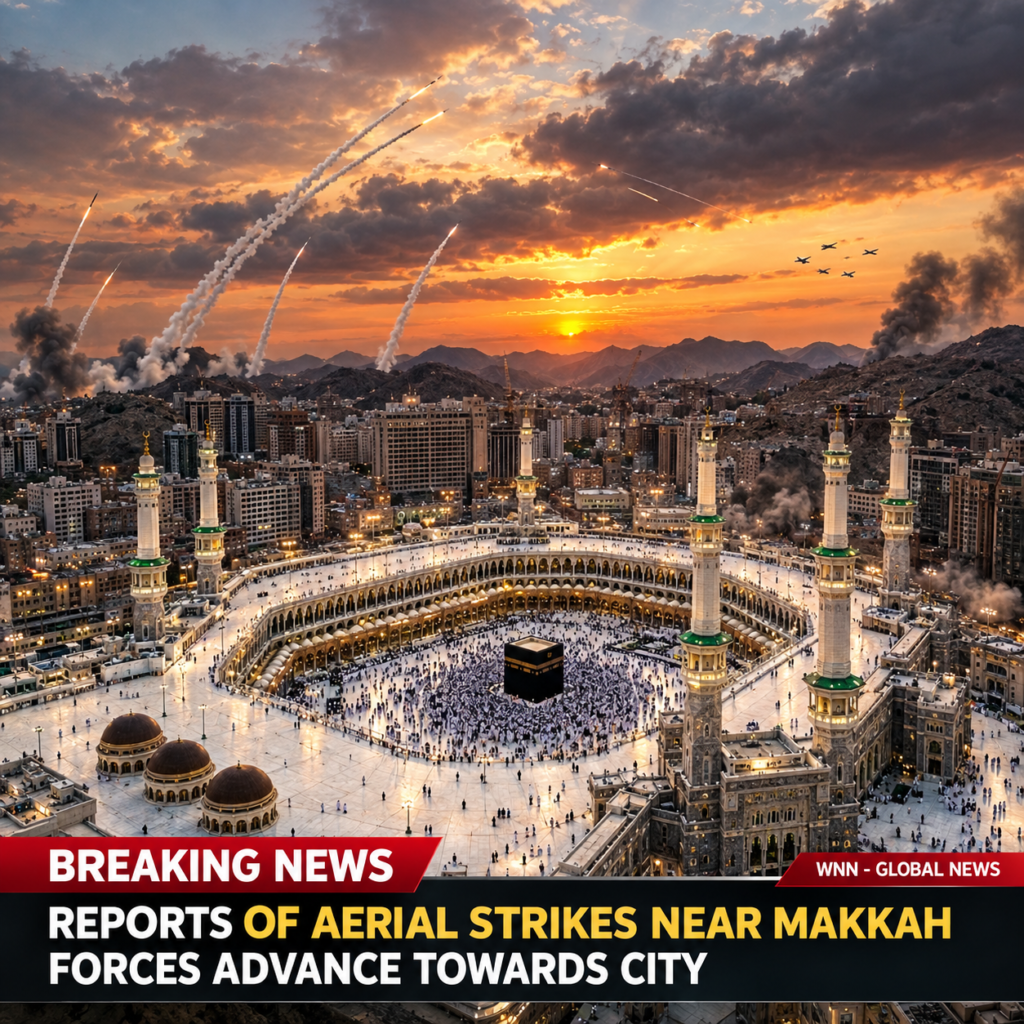
On Tuesday, September 15, Saudi Arabia said its air defenses intercepted and destroyed a drone south of Mecca, before it entered the city’s restricted airspace. Saudi officials attributed the launch to Yemen’s Houthi movement and called Mecca a “red line.”
The Houthis denied targeting Mecca, saying their missiles and drones were aimed at Saudi military bases and oil infrastructure, not holy sites. Independent reporting has not established that Mecca itself was struck; the reported incident was an interception near the city, not an attack that hit the Grand Mosque or pilgrims.
The incident occurred amid a broader escalation between Saudi-backed forces and the Houthis, including attacks on Saudi airports, oil facilities, and Red Sea shipping. Saudi Arabia has issued projectile warnings for parts of the western kingdom, including Mecca and Jeddah.
Where did the drone come from?
The specific launch site has not been publicly identified.
Saudi Arabia Makkah Under Threat attributed the drone to Yemen’s Houthi movement, which controls large parts of western Yemen. The Houthis acknowledged launching drones and missiles at Saudi Arabia that day, but said they were aimed at military and oil targets, not Mecca. They did not publicly say that this particular drone was launched from a named location.
The most accurate description is therefore: it reportedly came from Houthi-controlled Yemen, but the exact launch point—and even its intended target—remain unverified. Mecca is roughly 1,100 km (680 miles) from Yemen’s border, according to AP.
How did Saudi Arabia intercept the drone?
Saudi Arabia has not publicly explained the technical details.
What officials reported is that Saudi air-defense forces detected, intercepted, and destroyed the drone at about 6:50 p.m. local time on September 15, south of Mecca, before it entered the city’s restricted airspace. Reports do not identify whether it was destroyed by a particular missile system, fighter aircraft, electronic jamming, or another method.
Was the drone targeting Mecca?
It remains disputed.
Saudi Arabia says the drone was heading toward Mecca and was intercepted south of the city before entering its restricted airspace. The Houthis deny targeting Mecca, saying their attacks were directed at Saudi military bases and oil facilities.
There is no publicly available independent evidence such as verified flight data or wreckage analysis confirming the drone’s intended target. The confirmed fact is that it was intercepted near Mecca; whether Mecca was its target is not independently established.
What did Saudi Arabian authorities say about the incident?
Saudi authorities said their air-defense forces intercepted and destroyed a Houthi explosive drone south of Mecca at about 6:50 p.m. local time on September 15, before it entered the holy city’s restricted airspace.
The Saudi-led coalition’s spokesperson, Maj. Gen. Turki al-Malki, characterized it as an attempted attack on Mecca and called it a “disgraceful act.” He said the security of Mecca and Muslim pilgrims was a “red line” and warned that Saudi Arabia Makkah Under Threat would take “necessary and deterrent measures” against the Houthis.
Saudi Arabia Makkah Under Threat did not publicly provide detailed technical evidence showing the drone’s flight path or intended target. The Houthis rejected the allegation, calling it “fabrications and lies,” and said their attacks targeted Saudi military and oil facilities instead.
What was the Houthi response to the reported drone incident near Mecca?
The Houthis denied targeting Mecca.
Their military spokesperson, Yahya Saree, called Saudi Arabia’s allegation “fabrications and lies” and said:
“There is no threat whatsoever from Yemen to the holy sites. Our operations target their oil facilities and military bases, and are far removed from the holy places.”
He said the Houthis had launched drones and missiles at Saudi Arabia in retaliation for Saudi airstrikes in Yemen. The Houthis also claimed to have shot down a Saudi fighter jet over Yemen’s Marib province, though that separate claim was not independently verified.
Did the Houthis claim responsibility for the incident?
No. The Houthis did not claim responsibility for sending a drone toward Mecca. They denied that allegation and said Saudi Arabia was spreading “fabrications and lies.”
They did claim launching other drones and missiles at Saudi targets that day, including military and oil facilities, but they did not identify the intercepted drone near Mecca as one of their attacks. Thus, Saudi Arabia attributed it to the Houthis, while the Houthis denied responsibility for that specific incident.
Did the drone reach Mecca or any of the holy sites?
No. According to Saudi authorities, the drone was intercepted and destroyed south of Mecca before entering the city’s restricted airspace. There were no reported impacts on Mecca, the Grand Mosque, or other holy sites.
The Houthis disputed that it was headed toward Mecca, but neither side reported that the drone reached or struck a holy site.
Were there any casualties or property damage?
No casualties or property damage were reported from the drone incident near Mecca. The drone was reportedly destroyed south of the city before entering its restricted airspace, and there were no reports of damage to Mecca, the Grand Mosque, or other holy sites.
What security measures did Saudi Arabia take after the incident?
Saudi Arabia’s reported measures included:
- Activating air defenses to detect and destroy the drone before it entered Mecca’s restricted airspace.
- Issuing brief incoming-projectile alerts for Mecca and nearby western areas, including Jeddah and Taif. Authorities told residents to remain calm and follow official instructions; the alerts were later lifted.
- Maintaining heightened protection around Mecca and the holy sites, which Saudi officials described as a “red line.”
- Warning that Saudi forces would take “necessary and deterrent measures” against further Houthi attacks.
What was Pakistan’s reaction to the incident?
Pakistan strongly condemned the reported incident. Prime Minister Shehbaz Sharif described it as a “dastardly and heinous” attempted drone attack and said Pakistan stood “unwaveringly, shoulder to shoulder” with Saudi Arabia.
At the same time, Sharif called for maximum restraint and urged all sides to avoid further escalation. Pakistan expressed solidarity with Saudi Arabia, but there was no immediate announcement of a Pakistani military operation or deployment in response to this specific incident.
How did other Muslim-majority countries respond?
Reactions were largely condemnatory and supportive of Saudi Arabia, though there was no immediate broad military response:
- The Organization of Islamic Cooperation (OIC), representing 57 Muslim-majority states, called the reported attack an “unacceptable and intolerable transgression” against Mecca and the Medina region.
- The Muslim World League, Gulf Cooperation Council, and Arab League condemned the incident and expressed solidarity with Saudi Arabia.
- Qatar, Kuwait, Jordan, Egypt, Bahrain, and Türkiye issued condemnations or statements supporting Saudi Arabia’s right to protect its territory and the holy sites. Bahrain called for a firm UN Security Council response.
- Pakistan described it as a “dastardly and heinous” attempted attack, pledged solidarity with Saudi Arabia, and also urged restraint and diplomacy.
- The statements generally called for accountability and protection of the holy sites, but no country publicly announced military action specifically in response to this incident.
What airspace security measures are in place around Mecca?
Publicly reported measures around Mecca include:
- Restricted/prohibited airspace over the holy city: Unauthorized aircraft and drones are not permitted to enter the protected area. Saudi authorities specifically said the intercepted drone was destroyed before it entered Mecca’s restricted airspace.
- Continuous air-defense surveillance: Saudi air-defense forces monitor approaches to Mecca and can detect and intercept aerial threats. The exact radar coverage, interceptor locations, and engagement rules are not publicly disclosed.
- Temporary aerial-threat alerts: After the incident, Saudi authorities issued brief alerts for incoming projectiles in western areas including Mecca, Jeddah, and Taif, then lifted them when the immediate danger passed.
- Enhanced seasonal security: During Hajj and other major pilgrimage periods, Saudi Arabia uses additional air-defense and surveillance measures around the holy sites, including tighter control of unauthorized drones and aircraft.
- Civil-aviation restrictions: Saudi aeronautical notices identify prohibited, restricted, and danger areas, with pilots required to follow applicable clearances and air-traffic-control instructions.
How is the incident connected to the wider conflict in Yemen and the Middle East?
The incident is part of a much wider escalation, not an isolated event:
- The Yemen war has intensified. Saudi Arabia supports forces aligned with Yemen’s internationally recognized government, while the Iran-backed Houthis control much of western Yemen. Recent Saudi airstrikes and Houthi drone and missile attacks have revived a conflict that had been relatively quieter under an informal ceasefire.
- The Houthis are expanding attacks deeper into Saudi Arabia. Their reported attacks have targeted airports, military bases, oil facilities, and Red Sea infrastructure. The incident near Mecca—whether or not Mecca was truly the intended target—demonstrated that an aerial threat could travel deep into western Saudi territory.
- It raises the stakes because Mecca is uniquely sensitive. Saudi Arabia portrayed the incident as an attack on Islam’s holiest city and called it a “red line.” That framing prompted condemnation from the OIC and several Muslim-majority governments, increasing the political and religious pressure for a Saudi response.
- It is linked to the Red Sea and global energy crisis. The broader fighting includes Houthi pressure on Saudi oil infrastructure and shipping routes near the Bab el-Mandeb Strait. Disruption there, combined with instability around the Strait of Hormuz, threatens oil exports and international maritime traffic.
- It could widen regional involvement. Saudi Arabia has sought air-defense and diplomatic support from partners, while the United States has reportedly provided intelligence and planning assistance but has avoided direct intervention. Iran’s support for the Houthis makes the conflict part of the wider Saudi-Iran regional rivalry.
What could the incident mean for regional security?
The incident could have several implications for regional security, even though the drone’s intended target remains disputed:
- Higher risk of Saudi–Houthi escalation: Saudi officials called Mecca a “red line” and threatened deterrent measures. If Riyadh concludes that the Houthis intentionally targeted the city, it could intensify airstrikes in Yemen or pursue broader military action.
- Greater risk of regional spillover: The Houthis are supported by Iran, while Saudi Arabia is aligned with the United States and other regional partners. A stronger Saudi response could draw in Iran, the U.S., Pakistan, Türkiye, or Gulf states—directly or indirectly.
- More pressure on air defenses: The reported drone traveled deep into Saudi territory, highlighting vulnerabilities around cities, oil facilities, airports, and holy sites. Saudi Arabia may seek more interceptors, radar coverage, electronic warfare, and allied assistance.
- Threats to Red Sea shipping and energy markets: Continued Houthi attacks could endanger shipping near the Bab el-Mandeb Strait and Saudi oil infrastructure, adding pressure to global energy supplies and insurance costs.
- Religious and political mobilization: Because Mecca is Islam’s holiest city, allegations of an attack can generate intense public anger and make de-escalation more difficult, even if the allegation is later disputed.
- A diplomatic opening—or a harder line: Condemnations from Muslim-majority governments could increase pressure on the Houthis, but calls for restraint and talks could also support mediation by Oman or other intermediaries.
Has Mecca faced similar drone or missile threats in the past?
es. Mecca and the surrounding Mecca province have faced similar reported threats before, mainly during the Saudi–Houthi war:
- July 2017: Saudi authorities said they intercepted a Houthi ballistic missile launched toward Mecca. The Houthis disputed that it was aimed at the holy city and said it was directed at a Saudi military target.
- May 2019: Saudi Arabia said it intercepted two Houthi missiles in Mecca province. Those missiles were reportedly stopped before reaching the city; there were no reported impacts on the Grand Mosque.
- September 2026: Saudi Arabia reported intercepting a Houthi drone south of Mecca before it entered the city’s restricted airspace. The Houthis again denied targeting Mecca.
What role did Saudi Arabia’s air-defense systems play?
Saudi Arabia’s air-defense systems were reported to have played the decisive defensive role:
- They detected and tracked the drone as it approached from the south.
- They intercepted and destroyed it before it entered Mecca’s restricted airspace.
- The interception reportedly occurred at about 6:50 p.m. local time on September 15.
- Their action prevented the drone from reaching Mecca, the Grand Mosque, or other holy sites, and helped avoid casualties or property damage.
How does Saudi Arabia protect Mecca and other Islamic holy sites?
Saudi Arabia protects Mecca, Medina, and the major pilgrimage sites through multiple overlapping layers:
- Airspace control and air defense: The skies over the holy sites are protected by Saudi Air Defense Forces, with air-surveillance and monitoring systems operating continuously. Saudi Arabia says it maintains interception capabilities and readiness to respond to aerial threats.
- Restricted airspace and drone controls: Unauthorized aircraft and drones are barred from protected airspace. During pilgrimage periods, authorities also use surveillance drones and other monitoring tools to detect violations and improve situational awareness.
- Large-scale internal security presence: Saudi military, police, civil-defense, and specialized Hajj-security units coordinate to protect the Grand Mosque, the Prophet’s Mosque, pilgrimage routes, and crowded sites such as Mina, Arafat, and Muzdalifah.
- Crowd and access management: Authorities regulate pilgrim movement, use permits and checkpoints, manage transport routes, and monitor crowd density to prevent stampedes and unauthorized access.
- Emergency and medical response: Civil-defense, ambulance, medical, fire, and evacuation capabilities are integrated into Hajj security planning.
- Intelligence and rapid response: Security agencies monitor potential terrorist, criminal, and aerial threats and can issue public alerts or restrict movement when necessary.
What diplomatic reactions followed the incident?
The diplomatic response was strong but mostly verbal:
- The Organization of Islamic Cooperation (OIC) condemned what Saudi Arabia described as an attack toward Mecca and the Medina region, calling it an “unacceptable and intolerable transgression.”
- The Muslim World League, Gulf Cooperation Council, and Arab League expressed solidarity with Saudi Arabia and called for accountability and protection of the holy sites.
- Türkiye, Qatar, Kuwait, Jordan, Egypt, Bahrain, Pakistan, Bangladesh, and Malaysia were among the countries reported to have condemned the incident or voiced support for Saudi Arabia’s sovereignty and security.
- Several governments urged restraint, dialogue, and an end to escalation, reflecting concern that the incident could widen the Saudi–Houthi conflict.
- Saudi Arabia urged the international community to take a firmer stance against Houthi attacks and said it reserved the right to take measures to defend Mecca, Medina, pilgrims, and its territory.
- The United Nations Security Council discussed the broader escalation in Yemen and Red Sea security, but there was no reported collective military action or new sanctions specifically tied to the Mecca incident
What is the latest confirmed situation following the reported drone incident?
As of September 20, 2026, the latest confirmed picture is:
- Mecca itself was not hit. Saudi Arabia’s reported drone interception south of Mecca remains the last confirmed incident involving the holy city; no impact, casualties, or property damage at Mecca or the holy sites have been reported.
- The wider Saudi–Houthi conflict has continued to escalate. Saudi Arabia said it intercepted a ballistic missile aimed at Riyadh on September 19, with no reported casualties or damage. It also said attacks aimed at Yanbu, Taif, Baysh, and Farasan were thwarted.
- There has been at least one separate civilian death: Saudi civil defense said debris from an intercepted Houthi drone killed a Yemeni resident in Saudi Arabia on September 17. This was not reported as occurring in Mecca.
- The Houthis continue to deny targeting Mecca and claim their attacks focus on Saudi military and energy infrastructure.
- Saudi Arabia is seeking additional air-defense assistance from partners, reportedly because of pressure on its interceptor supplies. Türkiye has publicly said it is ready to meet Saudi defense needs, while the United States has so far limited its role to support and coordination rather than direct combat.
Did the Houthis claim to have shot down a Saudi F-15 fighter jet?
Yes. Houthi military spokesperson Yahya Saree claimed that Houthi forces had shot down a Saudi F-15 fighter jet over Yemen’s Marib province.
However:
- The Houthis did not clearly specify when the incident occurred.
- They released a video that they said showed the aircraft’s wreckage.
- The claim was not independently verified.
- Saudi authorities and the Saudi-led coalition had not confirmed the loss at the time of reporting.
The alleged F-15 shoot-down was a separate incident from the reported drone interception near Mecca
What happened to Saudi Arabia’s East-West oil pipeline?
Saudi Arabia’s Makkah Under Threat East–West oil pipeline was damaged by drone strikes on September 11, 2026, forcing Saudi Aramco to temporarily shut it down.
Key facts:
- The 1,200-kilometer pipeline carries crude from Saudi Arabia’s eastern oil fields and Gulf region across the peninsula to Yanbu on the Red Sea.
- Saudi officials attributed the attack to drones coming from Iraq, apparently launched by Iran-aligned militias. This is separate from the Houthi drone incident near Mecca.
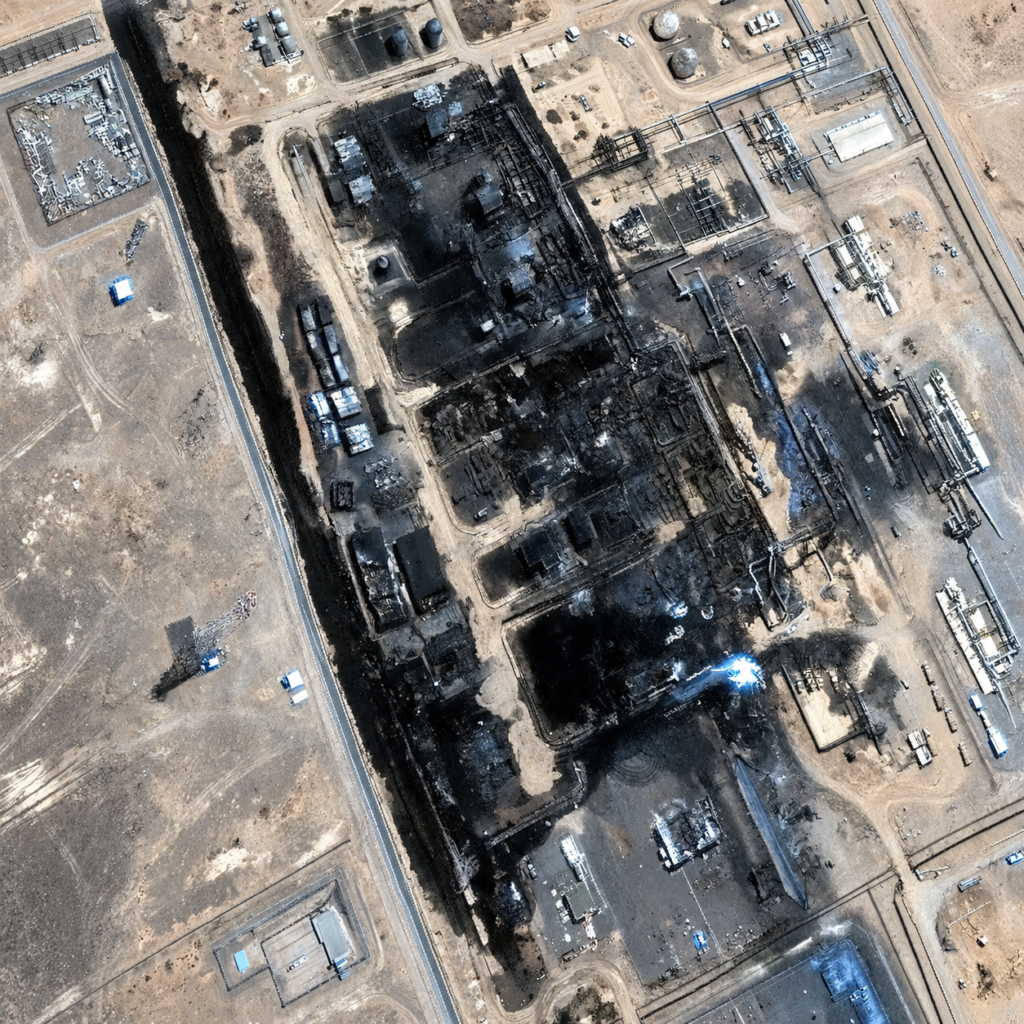
- Satellite imagery and industry sources indicated that three pumping stations were damaged, rather than the two initially assessed.
- The pipeline had been carrying roughly 4–5 million barrels per day, or about 4–5% of global oil supply, because it provides an alternative route that avoids the Strait of Hormuz.
- Repair estimates varied: some sources expected five to six weeks, while others said partial pumping could resume sooner through bypasses or repairs.
- The disruption increased concern over global oil supplies and contributed to higher oil prices.
What happened to Saudi Arabia’s East-West oil pipeline?
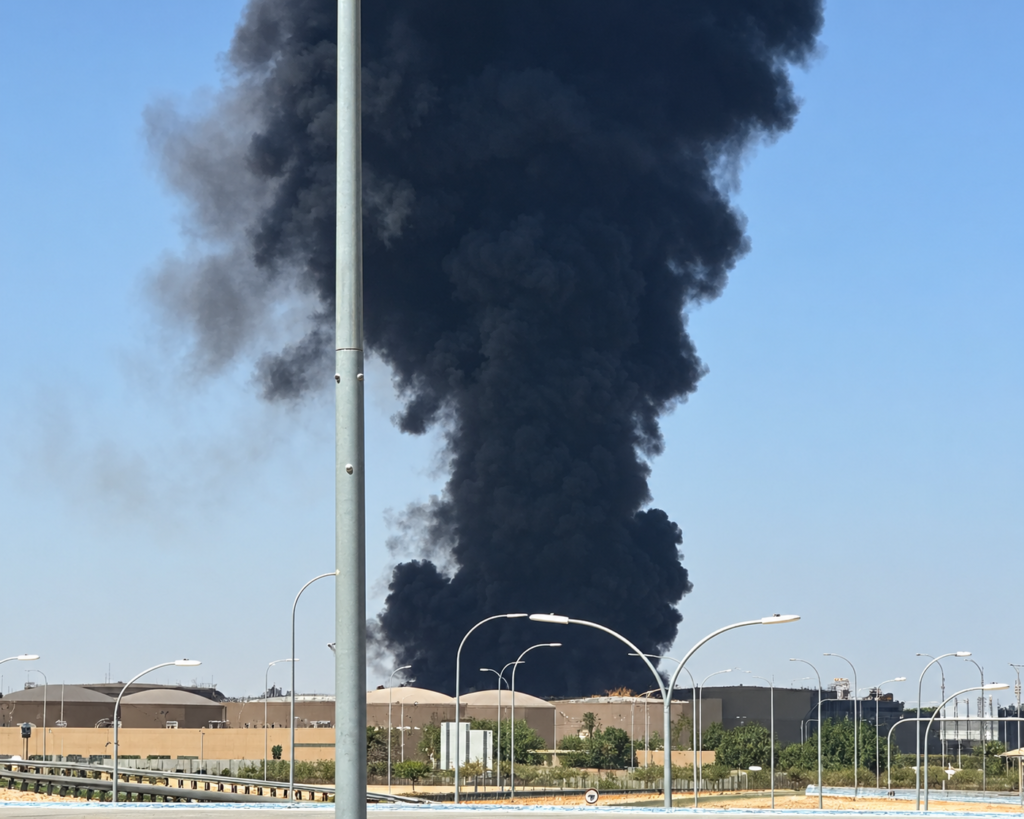
Saudi Arabia temporarily shut its 1,200-kilometre East-West oil pipeline, also known as Petroline, after drone attacks damaged pumping stations along the route. The pipeline normally carries roughly 4,5 million barrels of crude per day from Saudi Arabia’s eastern oil fields to Yanbu on the Red Sea, allowing exports to bypass the Strait of Hormuz. Saudi Arabia has since said that part of the capacity could resume within days, while full repairs could take considerably longer.
Was the Saudi oil pipeline targeted by a drone attack from Iraq?
Yes, Saudi Arabia and Iraq said the drones originated from Iraqi territory. Reuters reported that three pumping stations were damaged and that satellite imagery and industry sources indicated the attack came from Iraq. No group had publicly claimed responsibility for the pipeline attack at the time of those reports. Iraq subsequently took investigative and disciplinary measures, including dismissing a military commander.
Why did Saudi Arabia reportedly cancel September crude oil cargoes for European oil refiners?
The pipeline’s shutdown disrupted crude movements to Yanbu, the Red Sea export terminal. Because some European refiners depend on Saudi crude delivered through that route, Saudi Arabia reportedly cancelled or postponed some September cargoes while trying to reorganize exports through alternative routes. Reuters reported that European buyers were seeking replacement supplies from countries including the United States, Norway, Kazakhstan, Algeria and Guyana.
How much of the global oil supply could be affected?
The pipeline has recently carried approximately 4 ,5 million barrels per day, equivalent to roughly 4,5% of global oil supply. However, that does not mean all 4 5 million barrels are permanently lost: Saudi Arabia can use inventories, alternative shipping arrangements and other export routes. The actual market impact therefore depends on how long the disruption lasts and how much Saudi Arabia can reroute.
How could the Saudi oil pipeline disruption affect Europe’s fuel supply?
European refiners could face higher crude costs and competition for replacement barrels. Saudi crude grades are also not perfectly interchangeable with every other crude, so refiners may need to blend different grades or adjust operations. If the disruption persists, higher crude costs could feed into diesel, gasoline and other refined-fuel prices, increasing transportation and production costs.
What warning did U.S. oil executives reportedly give Donald Trump about a global fuel crisis?
U.S. oil executives have warned that the world is experiencing a serious fuel-supply squeeze because of the prolonged disruption around the Strait of Hormuz, Middle Eastern attacks and reduced refining capacity. The Wall Street Journal reported that executives including Chevron CEO Mike Wirth described the situation as a major global fuel crisis, with inventories under pressure and prices elevated.
Why did the U.S. oil industry reportedly warn that oil prices could remain high?
Several factors are working simultaneously:
- reduced Middle Eastern exports;
- disruption around the Strait of Hormuz;
- damage to Saudi oil infrastructure;
- attacks on Russian refineries;
- depleted fuel inventories;
- limited spare refining capacity; and
- continuing geopolitical uncertainty.
Even if individual disruptions are repaired, rebuilding inventories can take months. Analysts have therefore warned that energy prices could remain elevated for an extended period rather than immediately returning to pre-war levels.
What did Donald Trump say about reducing oil prices and reaching a deal with Iran?
Trump has repeatedly argued that increased oil supply and a diplomatic agreement with Iran could help reduce energy prices. In September, he also said that Iran wanted a deal while Tehran publicly maintained that Washington first needed to meet Iranian conditions, including demands involving military operations, sanctions and the Strait of Hormuz.
What role could Iran play in easing the global oil supply crisis?
Iran could potentially affect the market in two opposite ways.
If an agreement reopened the Strait of Hormuz and allowed Iranian oil exports to increase, additional Iranian barrels could reach international markets and reduce supply pressure. Conversely, continued restrictions or conflict around Hormuz could keep large volumes of Gulf oil from reaching buyers.
The potential effect would depend on sanctions, shipping security, production capacity and the terms of any agreement.
Why did Iran’s foreign minister travel to China during the war?
Iranian Foreign Minister Abbas Araghchi travelled to Beijing for diplomatic discussions with Chinese officials. China said it wanted to safeguard Iran’s rights and interests, encouraged dialogue between Iran and the United States, and called for the reopening of the Strait of Hormuz to protect international energy transportation and supply chains.
What was the significance of an Iranian government aircraft reportedly entering Saudi Arabia?
A report on September 15 said an Iranian government aircraft that departed Tehran was reportedly preparing to land in Saudi Arabia. This generated speculation that an Iranian delegation could be travelling to Riyadh.
However, the report itself stressed that the identity and level of any delegation needed confirmation. Therefore, the aircraft should not automatically be described as proof of negotiations.
Could Saudi Arabia and Iran be holding direct negotiations to reduce tensions?
There were signs of diplomatic contacts and discussions involving Iran and Gulf states, but the available reporting does not establish that Saudi Arabia and Iran had reached a confirmed direct agreement over the pipeline attacks or wider conflict.
Gulf states had been considering discussions with Tehran over navigation and the Strait of Hormuz, but those talks faced delays because of disagreements and escalating attacks.
What did Vladimir Putin say about lifting sanctions on Russia and increasing global oil supplies?
A September 15 statement from Kremlin spokesman Dmitry Peskov, rather than a direct new Putin quotation, called for the removal of what Moscow described as illegal sanctions on energy suppliers, including Russia, as well as safer navigation for oil tankers. The Kremlin’s argument was that removing restrictions could increase energy available to world markets and help stabilize prices.
This distinction is important: the September statement was attributed to Peskov, not Putin personally.
How could Russian oil exports affect international oil prices and global supply?
Russia remains a major oil producer. If more Russian crude and petroleum products reach international buyers, the additional supply could reduce pressure on global markets. Earlier in 2026, the United States temporarily allowed certain Russian oil already at sea to be sold because of the Middle East supply disruption.
However, sanctions remain significant. On September 18, Trump signed legislation expanding sanctions against Russia and giving the administration authority to impose tariffs on countries buying Russian energy.
What missile shortages were reportedly highlighted in a Pentagon Inspector General report?
The Pentagon Inspector General reported that the U.S. military’s use of munitions during Operation Epic Fury created strategic inventory shortfalls and industrial-base bottlenecks.
The report covered operations through June 30, 2026. More than $22 billion in munitions had reportedly been used. The conflict also highlighted pressure on supplies of systems such as THAAD interceptors and Tomahawk cruise missiles, while production capacity limited how quickly stocks could be replenished.
Why did Donald Trump reportedly ask Ukraine not to target Russia’s oil and gas infrastructure?
Trump argued that Ukrainian attacks on Russian diesel and oil infrastructure were contributing to the global fuel shortage and higher diesel prices.
On September 13, he publicly urged Ukraine to stop attacking Russian diesel infrastructure. Trump subsequently said Russia and Ukraine had agreed not to attack each other’s energy facilities, although Ukrainian officials said a mutually enforced arrangement still required clearer guarantees, and attacks continued.
How are Iran and Russia attempting to bypass U.S. sanctions?
Both countries have used or developed alternative mechanisms to maintain trade despite Western restrictions.
These include:
- shadow fleets of tankers;
- ship-to-ship transfers;
- switching vessel flags or ownership structures;
- alternative banking and payment channels;
- land-based trade routes;
- cooperation with countries willing to continue commercial relationships; and
- greater use of China and other non-Western markets.
A U.S. Treasury action in September accused Russia’s VTB Bank of helping Iran establish financial channels for sanctions evasion. Separately, research on the oil trade describes increasingly sophisticated shadow-fleet networks involving Russian and Iranian oil.
How could higher oil and gas prices affect Europe’s industries, inflation, and exports?
Higher energy prices raise the operating costs of factories, transport companies, farms, chemical producers and other energy-intensive industries. Higher diesel prices can also increase the cost of moving goods by trucks, ships and other transportation.
Those higher costs can eventually be passed to consumers, contributing to inflation. European exporters can also become less competitive if their production and transportation costs rise faster than those of competitors in countries with cheaper energy. The European refining sector is particularly exposed because replacement crude may be more expensive or less compatible with existing refinery configurations.
How could China benefit from changes in global oil supply and prices?
China can potentially benefit from its ability to use large oil reserves, diversified suppliers and substantial refining capacity to manage supply disruptions. China had accumulated very large crude inventories, which analysts said helped cushion the effects of the Iran-related supply shock.
At the same time, China is not insulated from the crisis. Chinese oil prices have risen sharply, and Chinese refiners are competing for available crude. Therefore, China’s position provides some strategic flexibility but also exposes it to higher import and energy costs.
How could the Iran war and disruptions to alternative oil routes affect the global economy and energy security?
The crisis demonstrates that having alternative routes does not automatically guarantee energy security.
The Strait of Hormuz is a major global energy chokepoint. Saudi Arabia’s East-West pipeline was designed partly to bypass that chokepoint, but the September drone attack showed that an alternative pipeline can itself become vulnerable. At the same time, disruptions involving the Red Sea, Russian refineries and other infrastructure have reduced the number of reliable supply options.
What is Iran’s alleged role in the Houthi attacks on Saudi Arabia?
Iran is accused by Saudi Arabia and other sources of supporting the Houthis with weapons, military expertise, financing and strategic assistance. Reuters reported in September 2026 that Iranian Revolutionary Guard personnel and Iranian-supplied assistance were involved in supporting Houthi operations in Yemen.
There are also reports that Iranian officials encouraged or instructed the Houthis to attack Saudi Arabia. However, an Iranian official told Pakistan that Tehran does not control the Houthis, so claims about direct Iranian command should be distinguished from documented Iranian support.
What is the relationship between Iran and the Houthi movement?
Iran and the Houthis have a close strategic relationship. Iran has provided the movement with military assistance, including technology and expertise associated with missiles and drones.
At the same time, the Houthis have their own political and military objectives in Yemen. The Institute for the Study of War notes that the Houthis view themselves as a partner of Iran rather than simply an Iranian proxy and can make independent decisions about their military operations.
How have the Houthi attacks affected relations between Saudi Arabia and Iran?
The attacks have increased tensions between Riyadh and Tehran. Saudi Arabia has faced missile and drone attacks from the Houthis while accusing Iran of supporting the movement. Reuters reported that Saudi Arabia’s security alerts in September followed attacks by Iran-aligned fighters.
The escalation has also complicated planned Saudi-Gulf diplomatic engagement with Iran. A high-level meeting involving Iran and Gulf states was postponed in September amid the worsening situation in Yemen.
Could Saudi-Iran negotiations help reduce the current tensions?
Potentially, yes. Diplomatic negotiations could address issues such as support for armed groups, Yemen’s security, maritime security and the protection of Saudi territory.
Pakistan has been involved in efforts to encourage de-escalation and dialogue, including discussions with Iran concerning the Houthi attacks on Saudi Arabia.
However, negotiations would not automatically end the conflict because the Houthis have their own interests and military decision-making. Any durable reduction in violence would likely require arrangements involving Saudi Arabia, Iran, the Houthis and Yemen’s other major political actors.
How does Iran’s regional policy affect the conflict between Saudi Arabia and the Houthis?
Iran’s regional policy affects the conflict by providing the Houthis with military capabilities and strategic support, allowing them to operate as a significant regional armed movement. Iranian support has helped the Houthis develop capabilities involving missiles, drones and maritime operations.
The current conflict also demonstrates that the Saudi-Houthi confrontation is connected to a wider regional struggle involving Iran, the United States, Red Sea shipping and the Gulf. Recent analysis indicates that Iranian and Houthi interests overlap on several strategic objectives, particularly around the Red Sea and Bab el-Mandeb, although the Houthis retain their own agenda
Did Iranian-backed Houthi rebels attack Saudi Arabia’s capital, Riyadh?
Yes. On September 19, 2026, Yemen’s Houthi movement said it had launched missile and drone attacks against what it called “sensitive sites” in Riyadh. Saudi Arabia said its forces intercepted a missile aimed at the capital and reported that other attacks were thwarted. Reuters also documented a large fire and smoke plume near King Khalid International Airport.
What targets did the Houthis reportedly strike in Riyadh?
The Houthis described the targets as “sensitive sites” in Riyadh without providing a complete list. The attack was accompanied by reports of explosions and a large plume of smoke near King Khalid International Airport. The Houthis separately claimed attacks against oil facilities in Yanbu, an important Red Sea oil-export location.
Were fuel tanks near Riyadh’s airport damaged in the attacks?
There is strong visual evidence of a fire in the fuel-storage area at King Khalid International Airport. Reuters photographs and video showed flames and heavy black smoke rising from what appeared to be fuel tanks. However, the precise extent of physical damage to the tanks was not immediately established by Saudi authorities.
What weapons did the Houthi rebels reportedly use against Saudi Arabia?
The Houthis said they used ballistic missiles and drones against targets in Riyadh. Saudi authorities confirmed intercepting a missile headed toward the capital and reported thwarting additional attacks.
Did the Houthis also target Saudi oil and energy facilities?
Yes. The Houthis claimed that they attacked oil facilities belonging to Aramco in Yanbu, on Saudi Arabia’s Red Sea coast. Reuters reported the Houthi claim, although the full extent of damage to the oil facilities was not immediately independently confirmed.
How could the attacks affect Saudi Arabia’s oil production and exports?
Attacks on oil infrastructure can disrupt production, storage, pipelines, ports and export logistics even when crude production itself is not permanently damaged.
The timing is particularly significant because Saudi Arabia was already dealing with disruption to its East-West pipeline after earlier drone attacks. Saudi crude shipments to Europe were subsequently suspended or disrupted. This creates additional pressure on alternative routes, including shipments through the Strait of Hormuz.
Why are Saudi Arabia’s oil disruptions causing concern in Europe?
European refiners receive significant volumes of Saudi crude. When Saudi shipments are disrupted, refiners have to find replacement barrels from other suppliers.
Why did Saudi Arabia reportedly cancel crude oil deliveries scheduled for European customers?
The reported cancellations followed damage to Saudi Arabia’s East-West pipeline, which transports crude toward the Red Sea and Yanbu. The resulting disruption affected September cargo loadings from Yanbu, leading Saudi Arabia to suspend some European shipments while it reorganized its export logistics.
How are the Middle East attacks affecting gasoline and diesel prices in the United States?
The disruptions have pushed U.S. fuel prices sharply higher. Middle Eastern supply problems, the disruption around the Strait of Hormuz and attacks affecting other oil infrastructure have reduced available global supplies and increased competition for replacement crude and refined products.
By mid-September, U.S. diesel had moved above $6 per gallon, while gasoline was also approaching record levels.
What was the reported average U.S. gasoline price, and how much had it increased?
A mid-September report put the U.S. average gasoline price at approximately $4.295 per gallon. The same report said gasoline had increased by more than 40% since the beginning of the Iran war.
Diesel was even more severely affected, with the national average exceeding $6 per gallon.
What warning did Iran reportedly give to neighboring countries about cooperating with the United States?
Iran warned that countries cooperating with a new U.S. attack could be regarded as parties to the conflict.
Iran’s military central command said that any new U.S. attack would trigger sustained retaliation against U.S. bases and interests and warned that regional allies supporting Washington could also be targeted.
What did Donald Trump say about the possibility of escalating the conflict with Iran?
Trump has publicly maintained that the war would end soon while also emphasizing that Iran must not obtain a nuclear weapon. On September 18, he said that once the war ended, U.S. gasoline prices could fall back to previous levels or even lower.
Reuters also reported on September 20 that Trump issued a much stronger warning to Iran, suggesting that failure to reach an agreement could lead to severe consequences. He also expressed willingness to meet Iranian President Masoud Pezeshkian at the UN General Assembly.
Why did the U.S. State Department warn Americans to reconsider travel to the Middle East?
The State Department cited the possibility of unforeseen escalation, attacks on U.S. interests, flight cancellations, airspace closures and other travel disruptions.
Its Saudi Arabia advisory, updated September 15, classified the country at Level 3: Reconsider Travel, citing risks including Iranian drone and missile attacks, armed conflict and terrorism.
How could the conflict in the Middle East affect food, fuel, and other basic living costs?
The main mechanism is higher energy and transportation costs.
Conflict → disrupted oil/gas supplies → higher energy prices → higher transportation and production costs → higher consumer prices.
Diesel is particularly important because trucks, agricultural machinery and other freight systems depend heavily on it. Higher fuel costs can therefore increase the cost of transporting food and manufactured goods. Reuters also reported that U.S. Federal Reserve officials were concerned that persistent energy shocks could add to already-high inflation.
What was the reported Reuters/Ipsos polling finding about Trump’s planned renovation projects in Washington, D.C.?
The September 11 14 Reuters/Ipsos poll surveyed 1,143 U.S. adults. It found that approximately two-thirds of Americans regarded Trump’s Washington construction projects as a low priority, including about half of Republicans. The poll also found strong partisan differences in views of the projects.
What is the proposed Trump triumphal arch near Arlington Cemetery?
It is a proposed 250-foot (76-metre) triumphal arch near Arlington National Cemetery, close to the Arlington Memorial Bridge.
The project was proposed as part of Trump’s plans to mark America’s 250th anniversary and reshape parts of Washington’s monumental landscape. It is designed in the tradition of large triumphal arches such as Paris’s Arc de Triomphe.
What military facilities are reportedly planned as part of the proposed triumphal arch?
On September 20, Trump said the arch would also function as a “Military Complex/Triumphal Arch.”
According to his announcement, it would include:
- facilities for storing and rapidly deploying large numbers of drones;
- positions for snipers on the roof and plaza areas; and
- storage for large quantities of sniper ammunition.
The Pentagon did not provide additional details beyond Trump’s announcement.
What did the FAA reportedly say about the proposed structure and aviation safety?
The FAA determined that the proposed arch would not pose a hazard to aircraft or have a substantial adverse effect on operations at Ronald Reagan Washington National Airport.
However, because of its location near the airport, the FAA required conspicuous lighting, including an “eternal flame” and floodlighting, to make the structure visible to pilots.
Why were hundreds of people reportedly demonstrating outside the Kennedy Center?
Protesters demonstrated against the closure of the Kennedy Center and proposed changes to the institution, including fears that the building could eventually be demolished.
Reuters footage showed hundreds forming a human chain around the Kennedy Center on September 18. The demonstrations followed the board’s decision to close the performing-arts venue for an extended renovation and continuing controversy over Trump’s changes to the institution.
What did the Reuters/Ipsos poll indicate about voters’ priorities regarding Trump’s Washington, D.C. construction projects?
The poll indicated that about two-thirds of Americans viewed the projects as low priority. Views were strongly divided along partisan lines: Reuters reported that 91% of Democrats opposed the projects, compared with about one-quarter of Republicans.
How is the security situation in Saudi Arabia after the Houthi attacks?
Saudi Arabia is operating under heightened security conditions, particularly around Riyadh, southern cities and important energy infrastructure. On September 19, Saudi authorities issued air-raid warnings for Riyadh and Al-Kharj and advised residents to move to safe areas and avoid open spaces until the alerts were lifted.
The attacks have expanded the security concern beyond Saudi Arabia’s southern border. The attempted strike on Riyadh and reported attacks involving Yanbu have increased concerns about the protection of major cities, airports, oil facilities and shipping-related infrastructure.
What security measures has Saudi Arabia taken to defend against Houthi drones and missiles?
Saudi Arabia has relied heavily on its air-defense network to detect and intercept incoming missiles and drones. On September 19, Saudi authorities said a ballistic missile heading toward Riyadh was intercepted, while other attacks were reportedly prevented by air defenses.
Saudi authorities have also used early-warning alerts and civil-defense instructions to protect civilians when attacks are detected. The repeated attacks have increased the importance of rapid detection, interception and protection of sensitive facilities.
Are Saudi Arabia’s key oil, energy, and military facilities now under increased security?
Yes. The recent attacks have put oil and energy infrastructure under greater security attention. The Houthis claimed attacks on an Aramco facility in Yanbu, while Saudi authorities reported that attempted attacks against Yanbu and other locations were thwarted. The exact extent of damage to some claimed targets remains disputed or independently unverified.
The concern is particularly significant because Saudi energy infrastructure is connected to both domestic fuel supplies and international oil exports. Recent reporting has also described attacks or threats involving Saudi energy facilities in the south.
Have the Houthi attacks increased the security threat to Saudi cities and critical infrastructure?
Yes, the geographic scope of the threat has increased. Earlier attacks were concentrated more heavily in southern Saudi Arabia, but the September 19 attempt against Riyadh demonstrated that the capital can also face missile and drone threats during the current escalation
Final Verdict
The September 2026 drone incident near Mecca highlights the growing security challenges facing Saudi Arabia amid the wider Yemen and Middle East conflict. Saudi Arabia says the drone was intercepted south of before entering the city’s restricted airspace, while the Houthis deny targeting the holy city. Because the drone’s exact intended target has not been independently established, the incident should be described carefully as a reported interception near Mecca rather than a confirmed strike on Mecca.
At the same time, the wider pattern of missile and drone attacks against Riyadh, Yanbu and Saudi energy infrastructure shows that the security threat extends beyond the country’s southern border. The situation also has implications for regional diplomacy, Iran-Saudi relations, Red Sea security and global energy markets.
The key confirmed point is that Mecca and the Grand Mosque were not struck in the reported September 15 incident. The continuing escalation, however, demonstrates the importance of air-defense systems, protection of critical infrastructure, diplomatic engagement and efforts to prevent the conflict from spreading further across the region.
Table of Contents

Leave a Reply