
Canada International Relations
Introduction
This article covers seven major areas shaping Canada’s international relations in 2026: the United States, the Middle East, Asia and the Pacific, Europe, Africa, Latin America, and wider global diplomacy. Each section answers eight important questions, focusing on Canada’s trade, national security, economic interests, humanitarian commitments, and diplomatic partnerships.
The goal is to explain how international developments affect Canada’s economy, businesses, energy sector, immigration policies, and role in global affairs.
United States
What are the latest developments in Canada-US relations?
Canada-US relations remain central to Canada’s foreign policy because the two countries share a major trading relationship, a long border, and close defence and security partnerships. Trade disagreements, tariffs, energy cooperation, and border management are important areas of discussion. Both governments have strong incentives to maintain cooperation because businesses and consumers on both sides depend on cross-border commerce. Political changes in either country can influence negotiations, investment, and the future direction of bilateral relations.
How are US trade policies and tariffs affecting Canadian businesses and consumers?
US tariffs can increase costs for Canadian exporters, particularly manufacturers and businesses that depend on cross-border supply chains. Industries such as steel, aluminium, automotive manufacturing, and forestry can face additional expenses or uncertainty when trade restrictions change. Canadian companies may respond by adjusting prices, finding new suppliers, or seeking customers in other markets. Consumers can also experience higher prices when businesses pass additional costs along, while uncertainty may delay investment and hiring.
How are Canada and the United States cooperating on border security and immigration?
Canada and the United States cooperate through border agencies, information-sharing arrangements, and programs designed to identify security threats and manage cross-border movement. Their priorities include preventing smuggling, addressing organized crime, detecting fraudulent documents, and facilitating legitimate travel and trade. Immigration and asylum policies can sometimes create disagreements, especially when governments introduce new restrictions or enforcement measures. Effective cooperation requires balancing public safety with the movement of workers, families, students, and commercial goods.
What are the major issues affecting cross-border trade between Canada and the United States?
Major issues include tariffs, customs procedures, regulatory differences, transportation capacity, and uncertainty surrounding trade agreements. Many manufacturers operate integrated supply chains, meaning parts and materials can cross the border several times before a finished product reaches consumers. Delays or additional fees can therefore affect production costs and delivery schedules. The Canada-US-Mexico Agreement, known as CUSMA in Canada, is also important because its review and implementation can influence future rules for North American trade.
How are changes in US economic policy influencing Canada’s economy and financial markets?
Changes in US interest rates, taxes, tariffs, government spending, and industrial policy can influence Canadian exports, inflation, investment, and employment. Because the United States is Canada’s largest trading partner, slower American economic growth can reduce demand for Canadian products. US monetary policy also affects the Canadian dollar and international investment flows. Canadian policymakers monitor these developments when assessing domestic economic conditions, although the Bank of Canada makes its own decisions based on Canadian inflation and economic data.
How are Canada and the United States cooperating on energy, climate change and natural resources?
Canada and the United States have closely connected energy markets involving oil, natural gas, electricity, uranium, and renewable energy technologies. Cross-border pipelines and electricity transmission systems support energy supply and regional reliability. Cooperation can also involve critical minerals, clean technology, emissions reduction, and infrastructure development. However, differences in environmental regulations, energy priorities, and political leadership can create disputes over projects and climate policies. Maintaining reliable energy trade remains important for businesses and households in both countries.
What role does the United States play in Canada’s national security and defence strategy?
The United States is Canada’s most important defence partner, particularly through NORAD, the binational organization responsible for aerospace warning, aerospace control, and maritime warning for North America. The countries also cooperate through NATO, intelligence-sharing arrangements, military exercises, and efforts to protect critical infrastructure. Shared concerns include Arctic security, cyberattacks, foreign interference, and threats to transportation and communications systems. Canada must maintain this partnership while also investing in its own defence capabilities and strengthening cooperation with other allies.
How could future political and economic developments in the United States affect Canada?
Future US elections, trade decisions, immigration rules, interest-rate changes, and energy policies could significantly affect Canadian businesses and government priorities. More restrictive trade policies could encourage Canada to diversify exports, while improved trade cooperation could support investment and job creation. Changes in US defence commitments could also influence Canada’s military spending and Arctic strategy. Canadian governments and businesses can prepare by monitoring policy changes, strengthening domestic supply chains, and developing commercial relationships with markets beyond the United States.
Middle East
What are the latest developments in the Middle East that could affect Canada?
Developments involving Israel, Palestinians, Iran, and other regional countries can affect Canada’s diplomatic priorities, humanitarian assistance, energy markets, and travel advice. Canada has called for civilian protection, de-escalation, and diplomatic solutions during regional hostilities. In March 2026, the Canadian government condemned Iranian strikes against civilian infrastructure across the Middle East and deployed additional consular support to help Canadians in the wider region.
How are conflicts in the Middle East influencing Canada’s foreign policy?
Regional conflicts require Canada to balance diplomacy, security concerns, humanitarian assistance, and its relationships with allies. Canada may use diplomatic statements, sanctions, international forums, and direct discussions to encourage de-escalation and respect for international law. Conflicts can also create domestic debates about arms exports, civilian protection, demonstrations, and Canada’s responsibilities toward affected communities. The government’s response may change as conditions develop, so its official statements and travel advisories remain important sources of current information.
What role is Canada playing in humanitarian assistance and civilian protection in the region?
Canada supports humanitarian organizations that provide food, medical supplies, clean water, shelter, and protection services to people affected by conflict. In June 2026, Canada announced an additional C$100 million for partners assisting Palestinians in Gaza and the West Bank, bringing its total assistance for Palestine to more than C$500 million. The funding was intended to support emergency relief and stabilization efforts. Canada also calls on parties to protect civilians, humanitarian workers, and essential infrastructure.
How are Canada’s diplomatic relations with Israel and Palestinian representatives evolving?
Canada’s approach involves maintaining diplomatic engagement while addressing security concerns, humanitarian conditions, and the rights of Palestinians and Israelis. It supports a negotiated two-state solution as a pathway toward a lasting peace, with Israel and a viable Palestinian state living in security. Conflict, settlement expansion, violence, and disagreements over humanitarian access can complicate diplomatic relations. Canada’s public statements and international partnerships influence its efforts to encourage negotiations and protect civilians.
How are tensions involving Iran affecting Canada’s security and international relations?
Tensions involving Iran can affect Canada’s national security assessments, sanctions policy, diplomatic relationships, and the safety of Canadians in the Middle East. Concerns may include regional military escalation, threats to civilian infrastructure, cyber activity, and disruptions to important shipping routes. Canada coordinates with allies and international partners when responding to security threats and may update travel advice or consular support. The impact on Canada depends on the scale of escalation and whether diplomatic channels can prevent a wider conflict.
How do Middle Eastern conflicts influence global oil prices and Canada’s energy sector?
The Middle East is a major source of global oil and natural gas, so conflict can increase uncertainty about production and shipping. Threats to key maritime routes may raise transport costs, insurance premiums, and energy prices. Higher global oil prices can benefit some Canadian energy producers, but they can also increase fuel, transport, and manufacturing costs for households and businesses. The overall effect depends on global demand, Canadian production, exchange rates, and the duration of any disruption.
How are developments in the Middle East affecting Canadians travelling, working or living in the region?
Conflict can lead to flight cancellations, airspace restrictions, changing entry requirements, and increased security risks. Canadians living, studying, working, or travelling in affected areas should monitor official travel advisories and register with the Registration of Canadians Abroad when appropriate. They should also keep emergency contacts, travel documents, and contingency plans accessible. Canadian consular officials may provide information and assistance, but their ability to help can be limited by local security conditions and restrictions on movement.
What measures is Canada taking to support regional stability, humanitarian relief and diplomatic efforts?
Canada can contribute through humanitarian funding, diplomatic engagement, coordinated international pressure, sanctions where appropriate, and support for international institutions. It also encourages negotiations and protection for civilians and essential services. Effective assistance requires cooperation with credible humanitarian organizations and attention to whether aid can reach people safely. Long-term stability also depends on political solutions, accountable institutions, regional dialogue, and efforts to address the underlying causes of conflict rather than relying exclusively on emergency relief.
Asia & Pacific
What are the latest developments in Canada’s relations with Asia-Pacific countries?
Canada is working to strengthen economic and strategic relationships across the Indo-Pacific, including partnerships involving trade, technology, energy, education, and defence. The region is important because it contains major economies, manufacturing centres, shipping routes, and growing consumer markets. Canada is pursuing stronger commercial relationships with countries such as India, Japan, South Korea, and members of the Association of Southeast Asian Nations. This approach also helps Canada reduce its reliance on a limited number of export markets.
How are Canada’s trade and economic ties with China changing?
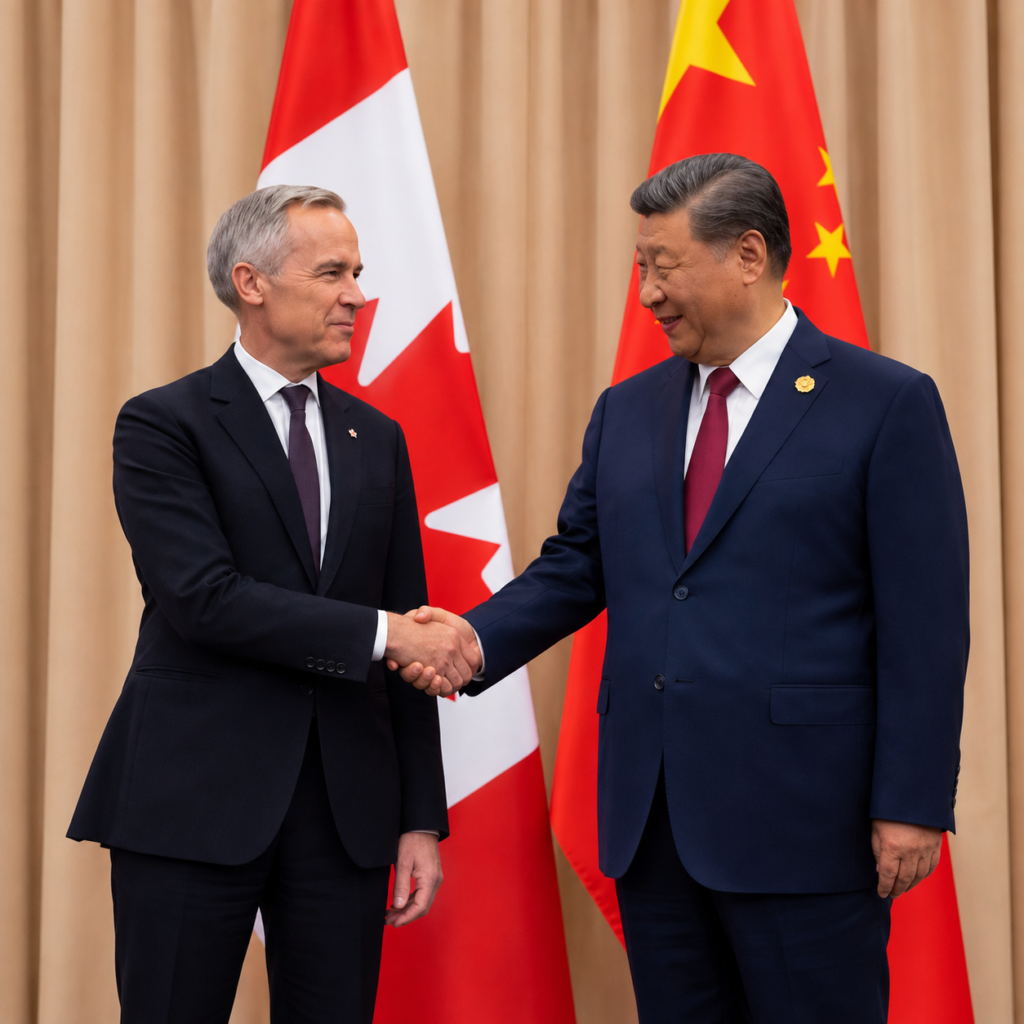
Canada’s relationship with China combines significant commercial opportunities with concerns about economic security, market access, and geopolitical competition. In March 2026, the Canadian government announced progress in renewing economic engagement with China, particularly in energy, clean technology, and climate competitiveness. Canada also stated a goal of increasing exports to China by 50% by 2030. Future progress will depend on market access, trade rules, business confidence, and how both countries manage areas of disagreement
What role does Canada play in Indo-Pacific security and regional cooperation?
Canada contributes to Indo-Pacific security through defence partnerships, military deployments and exercises, diplomatic engagement, and cooperation with regional allies. Important concerns include maritime security, freedom of navigation, cyber threats, and the stability of international supply chains. Canada also works with partners to promote peaceful dispute resolution and respect for international law. Its regional strategy must balance security commitments with economic relationships, because trade with Indo-Pacific countries is an important part of Canada’s long-term economic diversification.
How are Canada and India managing their diplomatic, trade and security relations?
Canada and India are working to expand trade and investment while managing broader diplomatic and security concerns. In September 2026, both countries continued negotiations toward a Comprehensive Economic Partnership Agreement, with a stated objective of concluding it by the end of the year. Canada also aims to increase two-way trade with India to C$70 billion annually by 2030. Cooperation could benefit agriculture, energy, education, technology, and professional services, although progress depends on sustained diplomatic engagement and the resolution of outstanding concerns.
How are developments in Taiwan and the South China Sea affecting Canada’s foreign policy?
Tensions around Taiwan and disputes in the South China Sea raise concerns about maritime trade, regional security, and the possibility of military escalation. Canada supports peaceful resolution of disputes and the importance of international law, including rules governing maritime activity. A major conflict could disrupt semiconductor production, shipping, and access to important manufactured goods. Canada therefore has an interest in maintaining dialogue, cooperating with regional partners, and encouraging restraint while preparing for possible economic and security consequences.
What opportunities exist for Canadian businesses in Japan, South Korea and Southeast Asia?
Canadian businesses may find opportunities in clean energy, critical minerals, agricultural products, advanced manufacturing, artificial intelligence, education, and digital services. Japan and South Korea have strong industrial and technology sectors, while Southeast Asian economies offer growing consumer markets and expanding infrastructure needs. Canadian exporters must assess local regulations, competition, distribution networks, and currency risks before entering these markets. Trade agreements and government-supported business missions can help companies identify partners and understand market conditions.
How are Asia-Pacific economic trends affecting Canadian exports, supply chains and consumers?
Economic growth, manufacturing changes, and demand in Asia can influence Canadian exports of energy, agricultural commodities, minerals, and services. Disruptions in Asian manufacturing or shipping may also increase the cost of electronics, vehicles, machinery, and other imported goods. Canada can reduce some risks by diversifying suppliers and developing additional export destinations. However, replacing established supply chains takes time, investment, and dependable transport connections, so diversification is a long-term process rather than an immediate solution.
How is Canada strengthening partnerships with Indo-Pacific countries in technology, energy and defence?
Canada is pursuing commercial partnerships, research cooperation, defence dialogue, and trade negotiations with countries across the Indo-Pacific. Opportunities include critical-mineral supply chains, clean-energy projects, digital infrastructure, cybersecurity, and advanced manufacturing. Academic exchanges and business partnerships can also support innovation and skilled employment. Stronger cooperation requires clear investment rules, protection of sensitive technologies, and reliable diplomatic communication. By developing a wider network of partners, Canada can support economic resilience while contributing to regional stability.
Europe
What are the latest developments in Canada’s relations with European countries?
Canada’s European relationships focus on trade, defence, support for Ukraine, democratic institutions, energy security, and scientific cooperation. European countries are important partners because of their economic strength and participation in organizations such as NATO and the European Union. Changes in European security priorities and economic conditions can influence Canadian defence planning and export opportunities. Canada continues to have an interest in maintaining close diplomatic communication with European governments and coordinating responses to shared international challenges.
How are Canada and the European Union expanding trade and economic cooperation?
The Canada-European Union Comprehensive Economic and Trade Agreement, known as CETA, provides a framework for reducing many trade barriers and improving access to each other’s markets. Businesses can explore opportunities in agriculture, machinery, services, pharmaceuticals, technology, and clean energy. Cooperation can also involve investment, research, digital trade, and supply-chain resilience. Companies still need to understand product standards, regulatory requirements, and local market conditions. Stronger commercial links can help Canadian exporters diversify beyond the North American market.
What role is Canada playing in supporting Ukraine amid Russia’s war?
Canada supports Ukraine’s sovereignty, independence, and territorial integrity through a combination of military, financial, humanitarian, and diplomatic assistance. It also coordinates with allies on sanctions and efforts to hold Russia accountable for its invasion. Canada’s support is intended to help Ukraine defend itself, maintain essential services, and recover from the consequences of war. The scale and form of future assistance depend on developments on the battlefield, Ukraine’s needs, Canada’s budget priorities, and coordination with international partners.
How does Canada cooperate with European allies through NATO?
Canada works with European allies through NATO on collective defence, military readiness, training, intelligence cooperation, and deterrence. The alliance is particularly important following Russia’s invasion of Ukraine and growing concern about threats to European security. Canadian participation can include military personnel, equipment, exercises, and contributions to allied planning. NATO cooperation also involves cybersecurity, protection of critical infrastructure, and readiness to respond to different forms of aggression. These commitments influence Canada’s defence spending and military modernization priorities.
How are European economic conditions affecting Canadian businesses and investors?
European growth, inflation, interest rates, and industrial demand can affect Canadian exporters and investment decisions. Slower growth may reduce demand for Canadian commodities and manufactured products, while stronger demand can create opportunities for energy, agriculture, technology, and professional services. Currency movements and financial-market volatility also influence the value of cross-border investments. Canadian businesses should monitor regulatory changes and economic forecasts while avoiding overdependence on any single market.
What are Canada and European countries doing to strengthen energy security and climate cooperation?
Canada and European partners can cooperate on liquefied natural gas where commercially and environmentally appropriate, critical minerals, nuclear energy, renewable power, carbon management, and clean technology. European governments are interested in reliable energy supplies and reducing exposure to geopolitical disruptions. Canada can contribute resources, research, and technical expertise, although new infrastructure and export projects require substantial investment and regulatory approval. Climate cooperation also includes emissions reduction, clean-energy innovation, and efforts to make industrial supply chains more sustainable.
How are developments in European immigration and border policies relevant to Canada?
European immigration policies can provide comparisons for Canada’s approach to asylum processing, labour shortages, border management, and integration. Changes in visa rules or border controls may also affect Canadians travelling, studying, or working in Europe. Canada and European countries exchange information and cooperate on international migration issues, but each jurisdiction has its own laws and obligations. Policymakers must balance border integrity with humanitarian responsibilities and the economic benefits of legitimate migration.
What opportunities exist for Canada to expand cooperation with Europe in defence, technology and clean energy?
Canada and European countries can expand joint work in defence manufacturing, cybersecurity, artificial intelligence, quantum research, battery materials, renewable energy, and advanced industrial technology. Research partnerships can connect universities, companies, and public institutions, while defence cooperation can support interoperability and shared procurement goals. Clean-energy projects may also create markets for Canadian critical minerals and engineering services. Success depends on predictable regulations, long-term investment, skilled workers, and the ability to turn research into commercially viable products.
Africa
What are the latest developments in Canada’s diplomatic relations with African countries?
Canada is seeking deeper relationships with African governments and regional institutions through diplomacy, trade, development, and security cooperation. Its Africa Strategy, published in 2025, emphasizes shared prosperity, economic diversification, peace, human rights, and sustainable development. Canada is also interested in strengthening relationships with the African Union and expanding people-to-people connections. These efforts recognize Africa’s growing economic importance and the value of building partnerships that benefit both Canadian and African communities.
How is Canada supporting humanitarian assistance and development initiatives across Africa?
Canadian assistance supports areas such as healthcare, education, food security, poverty reduction, emergency relief, and climate adaptation. Funding may be delivered through international organizations, local partners, development agencies, and humanitarian groups. Canada’s Africa Strategy also highlights youth skills training, renewable energy, infrastructure, and efforts to strengthen local economic opportunities. Effective assistance depends on reaching vulnerable communities, coordinating with local institutions, and ensuring that projects respond to actual needs rather than short-term political priorities.
What opportunities exist for Canadian businesses in African markets?
African markets offer potential opportunities in mining, agriculture, financial services, telecommunications, infrastructure, education, renewable energy, and healthcare technology. Growing populations and urbanization can increase demand for housing, transport, electricity, and digital services. Canadian companies must carefully assess political risk, local regulations, currency fluctuations, logistics, and competition. Responsible investment should also include transparent contracts, environmental protection, fair labour practices, and meaningful benefits for local communities. Canada’s trade and development initiatives aim to help businesses identify opportunities while supporting sustainable growth.
How are political instability and regional conflicts affecting Canada’s engagement with African countries?
Political instability, armed conflict, terrorism, and humanitarian emergencies can make diplomatic engagement and commercial investment more difficult. These conditions may interrupt transport routes, disrupt supply chains, and increase risks for Canadian citizens and companies. Canada can respond through diplomatic dialogue, targeted sanctions where appropriate, humanitarian aid, peacebuilding, and cooperation with regional organizations. Its approach must recognize that African countries have different political systems and security challenges, so effective policies require country-specific knowledge and cooperation with local partners.
How does Canada cooperate with African nations on education, healthcare and economic development?
Canada supports educational exchanges, scholarships, research partnerships, public-health initiatives, and professional training in cooperation with African institutions. Development programs may strengthen healthcare systems, improve access to education, and help communities build employment skills. Collaboration can also involve agricultural research, entrepreneurship, and vocational training for young people. Long-term progress depends on local leadership, effective institutions, reliable funding, and programs designed around community priorities. Partnerships work best when they strengthen local capacity instead of creating permanent dependence on outside assistance.

What role do Canadian mining and natural resource companies play in African economies?
Canadian mining companies can contribute through investment, employment, infrastructure development, tax revenue, and demand for local services. Africa also holds mineral resources important to global energy systems and advanced manufacturing. However, mining can create environmental damage, labour disputes, displacement, and governance concerns if projects are poorly managed. Responsible operations require transparent agreements, strong safety standards, environmental monitoring, and meaningful consultation with affected communities. Canada has an interest in promoting responsible mineral supply chains while ensuring that economic benefits reach local populations.
How are migration, trade and educational partnerships shaping Canada-Africa relations?
Migration and diaspora communities help connect Canada with African countries through family networks, business relationships, education, and cultural exchange. Students and researchers can develop lasting professional connections between Canadian and African institutions. Trade partnerships create opportunities for exporters and investors, while development programs can strengthen skills and local industries. These relationships also require practical attention to visa processing, recognition of qualifications, recruitment ethics, and the protection of migrants’ rights. Stronger connections can benefit both regions when opportunities are fair and mutually beneficial.
How can Canada strengthen cooperation with African countries on climate change, food security and sustainable development?
Canada can expand cooperation through climate finance, renewable-energy investment, agricultural research, water management, disaster preparedness, and technology transfer. Many African communities face climate-related risks, including droughts, flooding, food insecurity, and pressure on water supplies. Canada’s Africa Strategy identifies climate adaptation, biodiversity, renewable energy, and sustainable infrastructure as areas for cooperation. Progress requires locally led projects, reliable financing, and technologies suited to regional conditions. Partnerships should support resilience, economic opportunity, and long-term environmental protection.
Latin America
What are the latest developments in Canada’s relations with Latin American countries?
Canada’s relationships with Latin America include trade, investment, mining, agriculture, education, migration, and security cooperation. Mexico is particularly important because it is part of the North American trading system alongside Canada and the United States. Canada also maintains relationships with countries across Central and South America and the Caribbean. Diplomatic priorities vary by country, but often include economic growth, democratic governance, regional stability, environmental protection, and stronger commercial connections.
How are Canada’s trade agreements influencing economic cooperation with Mexico and other Latin American nations?
CUSMA provides the central framework for Canada-Mexico trade, supporting integrated North American supply chains and commercial exchange. In 2025, two-way merchandise trade between Canada and Mexico reached C$62.4 billion, making Mexico Canada’s third-largest single-country merchandise trading partner. Canadian exports included automotive parts, agricultural products, and wheat, while imports included vehicles, machinery, and fresh produce. Canada and Mexico are also pursuing stronger cooperation in investment, agriculture, energy, innovation, infrastructure, and security.
How are political changes in Latin America affecting Canada’s diplomatic relationships?
Elections and changes in government can influence economic policy, investment regulations, environmental rules, and diplomatic priorities. A new administration may welcome foreign investment or introduce reforms that change the conditions under which Canadian companies operate. Political instability and disputes over democratic institutions can also complicate bilateral relationships. Canada must adapt to these developments while maintaining diplomatic communication, respecting each country’s sovereignty, and protecting the interests of Canadian citizens and businesses abroad.
What role does Canada play in regional security and efforts to combat organized crime?
Canada cooperates with regional partners on issues such as organized crime, illicit financial flows, human trafficking, drug smuggling, and cybersecurity. Cooperation may include law-enforcement dialogue, intelligence-sharing where authorized, training, and support for stronger justice institutions. Organized crime can affect public safety, investment, and migration patterns across the region. Effective responses require cooperation between governments and communities, as well as attention to corruption, poverty, and other conditions that allow criminal networks to operate.
How are migration trends in Latin America affecting Canada’s immigration and humanitarian policies?
Political instability, economic hardship, violence, and environmental pressures can influence migration across Latin America and toward other countries, including Canada. Canadian immigration and asylum systems must assess applications under domestic law and international obligations. Changes in visa requirements, border policies, or regional humanitarian conditions can affect travel and migration patterns. Canada also needs to consider the needs of vulnerable people while maintaining fair processing, accurate identity checks, and clear information for prospective travellers and applicants.
What investment opportunities exist for Canadian companies in Latin America?
Potential opportunities include mining, agriculture, renewable energy, telecommunications, financial services, infrastructure, and technology. Canadian mining firms have a presence in several Latin American markets, while businesses may also find opportunities in solar power, wind energy, logistics, and digital services. Investors should evaluate political and currency risks, taxation, licensing requirements, environmental rules, and community relations. Long-term success depends on responsible business practices, local partnerships, and careful assessment of commercial conditions.
How are Canada and Latin American countries cooperating on climate change, mining and clean energy?
Cooperation can involve renewable-energy development, sustainable mining, biodiversity protection, disaster preparedness, and the responsible production of critical minerals. Canada and Latin American partners share interests in developing resources needed for electrification while reducing environmental damage. Collaboration may include research, investment, regulatory dialogue, and technology sharing. Projects must consider Indigenous rights, water use, land access, and the needs of nearby communities. Strong environmental standards can help build public trust and make investment more sustainable.
How could economic and political developments in Latin America affect Canadian trade and regional partnerships?
Economic growth can increase demand for Canadian agricultural goods, energy, technology, and professional services, while recessions may weaken export opportunities. Political changes can affect taxes, investment protections, and the operating environment for Canadian firms. Regional instability can also disrupt shipping and supply chains. Canada can manage these risks by maintaining diplomatic dialogue, diversifying commercial relationships, supporting transparent trade rules, and monitoring developments that could affect investment or the movement of goods and people.
International Relations
What are the major global developments shaping Canada’s international relations?
Canada’s international relations are shaped by geopolitical competition, wars, trade disputes, climate change, technological development, and changing global supply chains. Relations with the United States remain essential, while partnerships with Europe and the Indo-Pacific are important for defence and economic diversification. Canada also works with international institutions on humanitarian crises, development, and global rules. These overlapping priorities require the government to balance immediate security concerns with longer-term economic resilience and diplomatic cooperation.
How is Canada responding to growing geopolitical tensions and international conflicts?
Canada responds through diplomacy, cooperation with allies, humanitarian assistance, sanctions where appropriate, and support for international law. Its actions vary according to the conflict, the interests at stake, and its legal obligations. Canada may also provide financial, military, or development assistance to partners facing serious threats. Decisions involve weighing the protection of civilians, national security, economic effects, and the possibility of escalation. Continued communication with allies can help coordinate responses and reduce conflicting policies.
What role does Canada play in the United Nations and other international organizations?
Canada participates in the United Nations and other international institutions to discuss peace and security, human rights, development, public health, and climate change. These forums allow Canada to work with countries that may have different political systems and interests. Canada can contribute funding, expertise, diplomatic initiatives, and participation in international missions where authorized. Multilateral institutions also provide mechanisms for negotiation and collective action, although their effectiveness can be limited by disagreements among member states.
How are global trade disputes affecting Canada’s economy and diplomatic strategy?
Trade disputes can raise costs for exporters, disrupt supply chains, reduce business confidence, and complicate investment planning. Canada may respond through negotiations, formal trade mechanisms, targeted countermeasures, and efforts to expand access to other markets. The ongoing Canada-US tariff dispute illustrates why Canada seeks more diversified export relationships while continuing to engage its largest trading partner. Diversification can reduce exposure to individual markets, but it requires time, infrastructure, competitive products, and dependable commercial agreements.
How does Canada cooperate with NATO and other allies on defence and international security?
Canada cooperates with NATO members and other partners through defence planning, military exercises, intelligence cooperation, and efforts to protect critical infrastructure. These partnerships address conventional military threats as well as cyberattacks, foreign interference, and emerging technologies. Canada also works with allies to support Ukraine and respond to threats to international security. Maintaining effective cooperation requires trained personnel, modern equipment, secure communications, and sustained funding for defence capabilities.
How are international sanctions affecting Canada’s foreign policy and economic relationships?
Sanctions can restrict trade, financial transactions, investment, travel, or access to assets in response to actions that threaten international peace, security, or human rights. Canada uses sanctions as one tool of foreign policy, often in coordination with allies. Their effects depend on the measures imposed, the target economy, and the extent of international participation. Sanctions can create compliance obligations for Canadian businesses and financial institutions, so organizations must follow applicable Canadian rules and seek professional guidance when transactions may be restricted.
What role does Canada play in global climate negotiations, humanitarian assistance and human rights initiatives?
Canada participates in international climate negotiations, supports humanitarian responses, and works with partners on human rights and sustainable development. Climate diplomacy involves emissions reduction, adaptation, clean technology, and climate finance. Humanitarian efforts provide emergency assistance to people affected by conflict and disasters, while human rights initiatives can include diplomatic advocacy and support for international institutions. Canada’s influence depends on the credibility of its commitments, the resources it provides, and its ability to work constructively with other countries.
How is Canada balancing national interests, international cooperation and economic security in an increasingly complex world?
Canada must protect its citizens and economy while maintaining relationships with allies, trading partners, and international institutions. That means diversifying trade, strengthening defence capabilities, protecting critical infrastructure, and managing risks associated with sensitive technologies and strategic resources. At the same time, diplomacy and multilateral cooperation remain important for addressing challenges that cross borders. A balanced strategy seeks practical cooperation where interests overlap, clear safeguards where risks are significant, and flexibility as international conditions change.
Final Verdict
Canada’s international relations in 2026 are shaped by the need to protect national security, strengthen trade, manage geopolitical tensions, and maintain constructive relationships with countries around the world. The United States remains essential to Canada’s economy and defence, while Europe, Asia-Pacific, Africa, and Latin America offer opportunities for broader partnerships.
Conflicts in the Middle East, Russia’s war against Ukraine, changing trade policies, and competition over energy and critical minerals demonstrate why diplomacy matters. Canada must also respond to humanitarian emergencies, climate change, cybersecurity threats, and changing international economic conditions.
Looking ahead, trade diversification, strong alliances, responsible investment, humanitarian assistance, and international cooperation will remain important to Canada’s global strategy. By protecting its national interests while working with international partners, Canada can strengthen its economic resilience and contribute to a more stable international environment.
Table of Contents

Leave a Reply