
Canada Housing & Real Estate
Introduction
Canada’s housing and real estate market affects homebuyers, renters, investors, newcomers, and communities across the country. Housing affordability, mortgage costs, rental availability, and construction activity remain important issues, while differences between cities create very different opportunities for people looking to buy or rent a home.
This guide covers seven key areas: housing market updates, first-time homebuyers, the rental crisis, mortgages and interest rates, new developments, affordable housing policy, and Airbnb and short-term rental regulations. It explains the main trends, financial considerations, government initiatives, and local rules that shape Canada’s housing landscape in 2026.
Market Updates
What is the current state of Canada’s housing market?
Canada’s housing market is experiencing relatively weak activity, with affordability concerns and economic uncertainty affecting buyer confidence. The Canadian Real Estate Association (CREA) reported that national home sales declined by 0.7% month over month in August 2026, while the national benchmark price was 3% lower than a year earlier. Conditions vary significantly across provinces and cities.
How are home prices changing across Canadian cities and provinces?
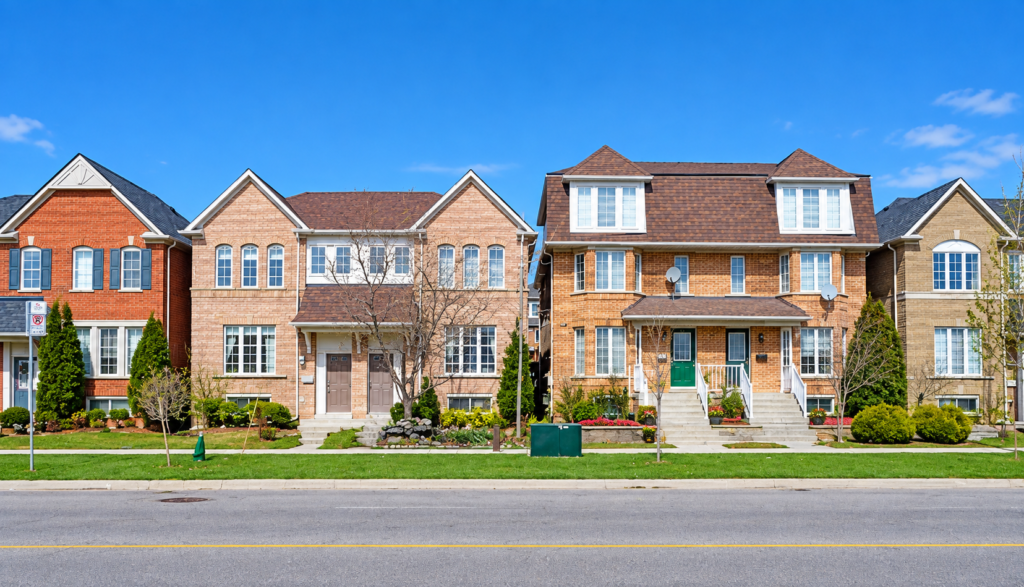
Home prices are moving differently across the country. In September 2026, the Greater Toronto Area’s average selling price was approximately C$1.006 million, down 5.1% year over year, while Ontario’s composite benchmark price was C$736,300, down 3.9%. These figures measure different geographic areas and price indicators, so they should not be compared as if they were identical.
Which Canadian cities offer the most affordable housing options?
Cities in the Prairies and some smaller communities often offer more affordable housing than Toronto and Vancouver. Edmonton, Winnipeg, Regina, and Saskatoon are worth researching, although prices, employment opportunities, and neighbourhood costs differ within each city. Buyers should compare local property prices with wages, property taxes, transportation costs, and access to services before deciding where to live.
How are housing sales and property inventory changing across Canada?
CREA reported just under 200,000 properties listed for sale nationally at the end of August 2026, with inventory at 4.8 months of supply. That was close to the historical average for listings and below the five-month long-term average for inventory. In September, national sales were down 7.7% compared with a year earlier, indicating that activity remained under pressure.
What factors are influencing housing demand and supply in Canada?
Housing demand depends on mortgage rates, household income, employment, population growth, consumer confidence, and the cost of renting. Supply is influenced by construction costs, available land, zoning rules, infrastructure, financing, and the availability of skilled workers. When homes are built in the wrong locations or are unaffordable to local households, increasing the overall number of units may not fully resolve local housing shortages.
How are Toronto and Vancouver’s housing markets comparing with Edmonton and Calgary?
Toronto and Vancouver generally have higher housing costs and face significant affordability challenges, while Edmonton and Calgary have historically offered more accessible prices relative to many major metropolitan markets. Toronto’s September 2026 sales and average prices weakened year over year, while CMHC’s 2026 outlook anticipated comparatively stronger construction and sales conditions in the Prairies than in Ontario and British Columbia. Local neighbourhoods and property types can produce very different results.
How are economic conditions affecting Canada’s real estate market?
Interest rates, employment, household debt, inflation, and trade uncertainty influence whether buyers feel comfortable taking on a mortgage. Economic uncertainty can lead households to postpone purchases, while higher construction and financing costs can make new projects less viable. CMHC expects weak demand and downward pressure on prices and construction in 2026, with conditions improving gradually in 2027 and 2028.
What are the major trends shaping Canada’s housing market outlook?
Key trends include cautious homebuyers, regional differences in prices, growing attention to rental housing, and the need for more affordable homes. Construction activity and housing demand may remain uneven as developers adjust to financing costs and unsold inventory. Government policies, population trends, mortgage conditions, and employment will be important factors to monitor over the coming years.
First-Time Buyers

What should first-time homebuyers know before purchasing a property in Canada?
First-time buyers should establish a realistic budget, review their credit history, compare mortgage options, and obtain a mortgage pre approval before making an offer. They should also inspect the property, understand local market conditions, and budget for closing costs and ongoing maintenance. A lender’s approval limit is not necessarily the amount a household can comfortably afford.
How much of a down payment is required to buy a home in Canada?
The minimum down payment depends on the purchase price. Under federal rules, buyers generally need 5% on the first C$500,000, 10% on the portion between C$500,000 and C$1.5 million, and 20% for homes priced at C$1.5 million or more. A down payment below 20% typically requires mortgage loan insurance, subject to applicable rules.
How can the First Home Savings Account (FHSA) help Canadians save for a home?
The FHSA allows eligible first-time homebuyers to save for a qualifying first home with tax advantages. The annual contribution limit is generally C$8,000, and the lifetime contribution limit is C$40,000. Eligible contributions are generally tax deductible, and qualifying withdrawals for a first home are tax-free.
How does the Home Buyers’ Plan (HBP) help eligible first-time buyers?
The Home Buyers’ Plan allows eligible individuals to withdraw money from their Registered Retirement Savings Plan (RRSP) to purchase or build a qualifying home. The current withdrawal limit is C$60,000 per eligible individual, subject to the program’s rules. Withdrawals generally must be repaid to the RRSP over a specified period; amounts not repaid when required may become taxable income. Buyers should review current Canada Revenue Agency requirements before withdrawing funds.
What federal and provincial programs support first-time homebuyers in Canada?
Federal options include the FHSA, the Home Buyers’ Plan, and the first-time home buyers’ GST/HST rebate for eligible newly built or substantially renovated homes. The federal rebate can provide up to C$50,000, with the amount reduced for eligible homes priced between C$1 million and C$1.5 million. Provincial and municipal programs may offer additional rebates, tax relief, or assistance, depending on location and eligibility.
How much income is needed to qualify for a mortgage in Canada?
There is no single income requirement because mortgage eligibility depends on the purchase price, down payment, interest rate, other debts, credit history, property taxes, and heating costs. Lenders assess whether borrowers can manage housing expenses and their other financial obligations. A mortgage calculator or pre-approval can help estimate a reasonable budget, but the final decision rests with the lender.
What additional costs should first-time homebuyers budget for?
Beyond the down payment, buyers should plan for legal fees, a home inspection, appraisal charges where applicable, property insurance, and moving expenses. Land transfer taxes may apply, and some provinces or municipalities offer eligible first time buyers rebates. Buyers should also account for property taxes, utilities, maintenance, condominium fees, and mortgage insurance if required.
What are the biggest challenges facing first-time homebuyers in Canada?
High property prices, the need to save a large down payment, mortgage qualification rules, and competition for suitable homes can make ownership difficult. Buyers may also struggle to balance housing costs with food, transportation, childcare, and other living expenses. Tax-advantaged savings, realistic budgeting, and considering different neighbourhoods or home types may improve their options.
Rental Crisis
What is the current state of Canada’s rental market?
Canada’s rental market remains challenging for many households, although conditions differ across cities and some markets are beginning to ease. CMHC’s 2025 Rental Market Survey tracks rents, vacancy rates, and turnover across Canadian provinces and major centres. Renters should consider both advertised rents for available apartments and average rents paid by existing tenants, as these measures can differ substantially.
Why are rents increasing in many Canadian cities?
Rents can rise when demand for housing outpaces the supply of available units. Population changes, limited construction, high building costs, financing expenses, and competition for well located homes can all contribute. However, rent trends vary by city, apartment size, vacancy rates, and whether a unit is newly advertised or occupied by a long-term tenant.
Which Canadian cities have the highest rental costs?
Toronto and Vancouver are among Canada’s most expensive rental markets, particularly for centrally located apartments and larger homes. Other cities, including Victoria and some communities in Ontario and British Columbia, can also have high housing costs relative to local incomes. Renters should check current local listings and CMHC data because rankings change with property type and reporting period.
How is the shortage of affordable rental housing affecting Canadians?
A shortage of affordable units can force households to spend a larger share of their income on rent, live in overcrowded homes, or move farther from work and school. Some people delay moving out independently, while others face greater risk of housing insecurity. The impact is particularly severe for low-income households because they have fewer financial resources to absorb rent increases.
What factors are contributing to Canada’s rental housing crisis?
The crisis reflects several factors, including insufficient affordable supply in high-demand areas, population and household changes, construction costs, financing conditions, and barriers to building housing. In some locations, low vacancy rates intensify competition between renters. Improving affordability requires both additional housing supply and measures that help households with the greatest financial needs.
How are high rents affecting newcomers, students and low-income households?
Newcomers may face high upfront costs, limited Canadian rental histories, and difficulty finding housing near employment or education. Students often compete for smaller units and shared accommodation, while low-income households may have to sacrifice spending on food, transportation, or healthcare to cover rent. Access to reliable rental information, tenant support services, and affordable housing programs can help reduce these pressures.
How do rent-control rules differ across Canadian provinces?
Rent regulation is mainly a provincial responsibility, and the rules differ substantially. Ontario generally limits annual increases for many covered rental units, with exceptions; British Columbia sets an annual allowable increase for covered tenancies; and Quebec has its own rent-setting and lease rules. Some jurisdictions exempt newer units or particular types of housing, so tenants should consult the relevant provincial tenancy authority before assuming a specific cap applies.
What measures are governments taking to improve rental affordability in Canada?
Governments use a combination of affordable housing funding, rental construction incentives, housing benefits, tenant protections, and measures designed to accelerate approvals. The federal government’s Build Canada Homes initiative is intended to increase affordable housing development through direct-build projects and partnerships. The effectiveness of these measures depends on the number of homes delivered, their affordability, and whether they meet local needs.
Mortgage & Rates
How are mortgage rates affecting Canada’s housing market?
Mortgage rates influence monthly payments, the amount buyers can borrow, and the cost of purchasing a home. Higher rates can discourage buyers and reduce the number of households that qualify for financing, while lower rates may improve affordability for some borrowers. Even when rates ease, high property prices and other household expenses can remain significant barriers.
How do Bank of Canada interest rate decisions influence mortgage costs?
The Bank of Canada’s policy rate directly influences many short-term borrowing rates and affects broader financial conditions. Variable-rate mortgages are generally more directly linked to changes in lenders’ prime rates, while fixed mortgage rates are strongly influenced by bond yields and lender pricing. Mortgage offers therefore do not necessarily move by the same amount or at the same time as the Bank’s policy rate.
What is the difference between fixed-rate and variable-rate mortgages in Canada?
A fixed rate mortgage keeps its interest rate unchanged for the agreed mortgage term, providing greater certainty about interest costs during that period. A variable rate mortgage has an interest rate that can change as market rates and the lender’s prime rate change. The best choice depends on the borrower’s budget, risk tolerance, mortgage terms, and expectations about future rates.
How are mortgage payments affecting household affordability?
Mortgage payments can consume a large portion of household income, leaving less money for utilities, food, transportation, savings, and unexpected expenses. Buyers should calculate the total monthly cost of homeownership, including property taxes, insurance, maintenance, and condominium fees where applicable. A lower purchase price or larger down payment may reduce borrowing needs, but buyers should preserve an emergency fund.
What is Canada’s mortgage stress test, and who must pass it?
The mortgage stress test assesses whether borrowers could afford payments at a higher qualifying rate than their actual mortgage rate. For uninsured mortgages at federally regulated lenders, OSFI’s minimum qualifying rate is generally the greater of the contract rate plus two percentage points or 5.25%. The applicable requirements depend on the mortgage and lender, and certain straight switches of uninsured mortgages at renewal may be exempt when the loan amount and amortization do not increase.
What should Canadian homeowners know about renewing their mortgages?
Homeowners should review renewal offers well before their current mortgage term ends and compare rates, fees, prepayment options, and the consequences of switching lenders. A higher renewal rate may increase payments, particularly for households that borrowed when rates were lower. Borrowers should also check whether extending the amortization or consolidating debt would increase their total long term interest costs.
How can borrowers compare mortgage offers from Canadian banks and lenders?
Borrowers should compare the annual interest rate, term, amortization, payment frequency, fees, prepayment privileges, and penalties for breaking the mortgage early. They should also check whether the rate is fixed or variable and whether the lender offers the flexibility they need. A mortgage broker can help compare options, but borrowers should understand the full terms before signing.
What factors should Canadians consider before choosing a mortgage?
Important factors include household income stability, down payment, existing debt, expected time in the home, risk tolerance, and plans for future borrowing. Buyers should consider whether they could manage higher payments if rates rise or income falls. Choosing a mortgage that remains affordable under less favourable conditions can reduce financial stress.
New Developments
What are the major housing development projects underway across Canada?
Canada has housing initiatives aimed at increasing the supply of affordable, rental, and community housing. Build Canada Homes has advanced direct-build projects in Dartmouth, Longueuil, Ottawa, Toronto, Winnipeg, and Edmonton, alongside partnerships intended to support more than 7,500 homes. These projects represent a range of stages and housing types, so the number announced should not be interpreted as the number of completed homes.
Which Canadian cities are seeing the most new home construction?
Construction levels vary by year, housing type, and regional market conditions. Major metropolitan areas such as Toronto, Montréal, Vancouver, Calgary, Edmonton, and Ottawa have significant development activity, although some face weaker demand and slowing starts. CMHC’s 2026 outlook expected construction and sales to remain weaker than historical averages in Ontario and British Columbia, with relatively stronger conditions in the Prairies and Quebec.
How are new housing developments helping address Canada’s supply shortage?
New developments add homes to the market and can improve the range of housing options available to households. Purpose built rentals, apartments, townhouses, and smaller homes can serve different income levels and household sizes. However, the impact on affordability depends on where homes are built, how quickly they are completed, and whether their prices or rents are accessible to local residents.
What types of homes are being built to meet Canada’s changing housing needs?
Developers are building detached homes, townhouses, condominiums, apartment buildings, rental communities, and secondary suites. Smaller units and multi-family developments can help accommodate singles, students, seniors, and smaller households. Affordable and supportive housing are also important for people who cannot meet market rents, while accessible designs can help older adults and people with disabilities.
How are condominium and purpose-built rental developments changing Canadian cities?
Condominiums add ownership options and can increase residential density near transit, employment, and services. Purpose built rental buildings provide dedicated long-term rental housing, potentially offering more stable supply than homes that change between ownership and rental use. However, high financing and construction costs can delay projects or make new units expensive.
What role does infrastructure play in the success of new housing communities?
Housing needs reliable transportation, water and wastewater systems, electricity, schools, healthcare, parks, and other public services. If infrastructure does not keep pace with new construction, residents may face congestion and limited access to essential services. Coordinated planning between developers and governments can help ensure that new neighbourhoods are practical and sustainable.
How are construction costs and labour shortages affecting new housing projects?
High material prices, financing costs, land expenses, and wages can make housing projects more expensive to build. Shortages of skilled tradespeople may also delay work or limit the number of projects that can proceed simultaneously. When projected costs rise beyond what buyers or renters can afford, developers may postpone construction or reconsider the project.
What challenges are delaying housing development across Canada?
Common obstacles include zoning and approval delays, infrastructure constraints, financing difficulties, construction costs, labour availability, and uncertain market demand. Some projects also face environmental assessments, consultation requirements, or complex coordination among different levels of government. Faster approvals can help, but projects still need adequate funding, skilled workers, infrastructure, and realistic demand forecasts.
Affordable Housing Policy
What is the Canadian government doing to improve housing affordability?
The federal government supports housing through funding programs, financing initiatives, policy changes, and partnerships with provinces, territories, municipalities, and housing providers. Build Canada Homes is a federal initiative intended to accelerate affordable housing development. Housing affordability also depends on provincial land-use rules, municipal approvals, infrastructure investment, and local rental and ownership costs.
Which federal housing programs support affordable homeownership and rental housing?
Federal measures include the First Home Savings Account, the Home Buyers’ Plan, the first-time home buyers’ GST/HST rebate for eligible new homes, and programs supporting affordable and community housing. Build Canada Homes also aims to increase the supply of affordable homes through direct development and partnerships. Eligibility, funding availability, and application requirements vary by program.
How are provincial and municipal governments addressing housing affordability?
Provincial governments can adjust tenancy rules, fund affordable housing, change planning legislation, and support housing development. Municipalities influence zoning, building approvals, property taxes, local infrastructure, and the availability of land for new homes. Results depend on how effectively these policies work together and whether new housing meets local affordability needs.
What support is available for low-income renters in Canada?
Support may include provincial or territorial housing benefits, rent supplements, subsidized housing, social housing, and emergency assistance. Some municipalities and non profit organizations also offer housing navigation and tenant support services. Programs usually have eligibility requirements and may involve waiting lists, so renters should contact their local housing authority or provincial housing department for current options.
How are governments addressing homelessness and the need for supportive housing?
Government responses include emergency shelters, transitional housing, permanent affordable housing, and supportive housing that combines accommodation with services such as mental health or addiction support. Federal initiatives and local partnerships help fund projects and community-based responses. Long-term progress depends on adequate housing supply, stable operating funding, health and social services, and prevention measures that help people avoid losing their homes.
What role does social housing play in Canada’s affordable housing system?
Social housing provides homes for eligible households that cannot afford market rents, often with public or non profit support. It can improve housing stability for low-income families, seniors, people with disabilities, and other groups facing barriers. Limited supply and maintenance needs remain challenges, making sustained investment in both existing properties and new housing important.
How are housing policies affecting developers, landlords and homebuyers?
Planning rules, construction incentives, financing programs, tax measures, and rental regulations affect the cost and feasibility of housing projects. Policies that reduce unnecessary delays can encourage construction, while unclear or rapidly changing rules may increase uncertainty for investors and developers. For buyers and renters, the real impact depends on whether policies result in more suitable homes, lower costs, and better access.
Are Canada’s current housing policies sufficient to address the affordability crisis?
Housing programs can provide important assistance, but the affordability challenge is too large to be resolved by one policy alone. Canada needs sufficient housing supply across different price levels, well planned infrastructure, effective tenant support, and financing that makes new construction viable. Outcomes should be measured by completed homes, rent and price affordability relative to incomes, homelessness, and access for vulnerable households.
Airbnb & Short-Term Rentals
What are the rules for operating Airbnb and other short-term rentals in Canada?
Short term rental rules depend on provincial legislation and local municipal bylaws. Hosts may need a licence or registration, may be required to use their principal residence, and may need to collect and remit applicable taxes. Condo bylaws, lease agreements, insurance terms, fire safety requirements, and zoning rules can also restrict short-term rental activity.
How do short-term rental regulations differ across Canadian cities?
Cities set different limits on rental duration, eligible properties, registration, licences, and the number of nights a property can be rented. For example, Toronto defines short term rentals as stays of fewer than 28 consecutive days, while Vancouver requires a licence for stays under 90 consecutive days. British Columbia also has a provincial principal-residence requirement in many communities, subject to exemptions and local rules.
What are Toronto’s rules for Airbnb and short-term rental properties?
Toronto generally allows short-term rentals only in an operator’s principal residence, and hosts must register with the city and renew their registration annually. An entire home can generally be rented for a maximum of 180 nights per calendar year, while up to three rooms may be rented under the partial-unit rules. Hosts must meet documentation and safety requirements and display the required registration number in their listing
What restrictions apply to short-term rentals in Vancouver?
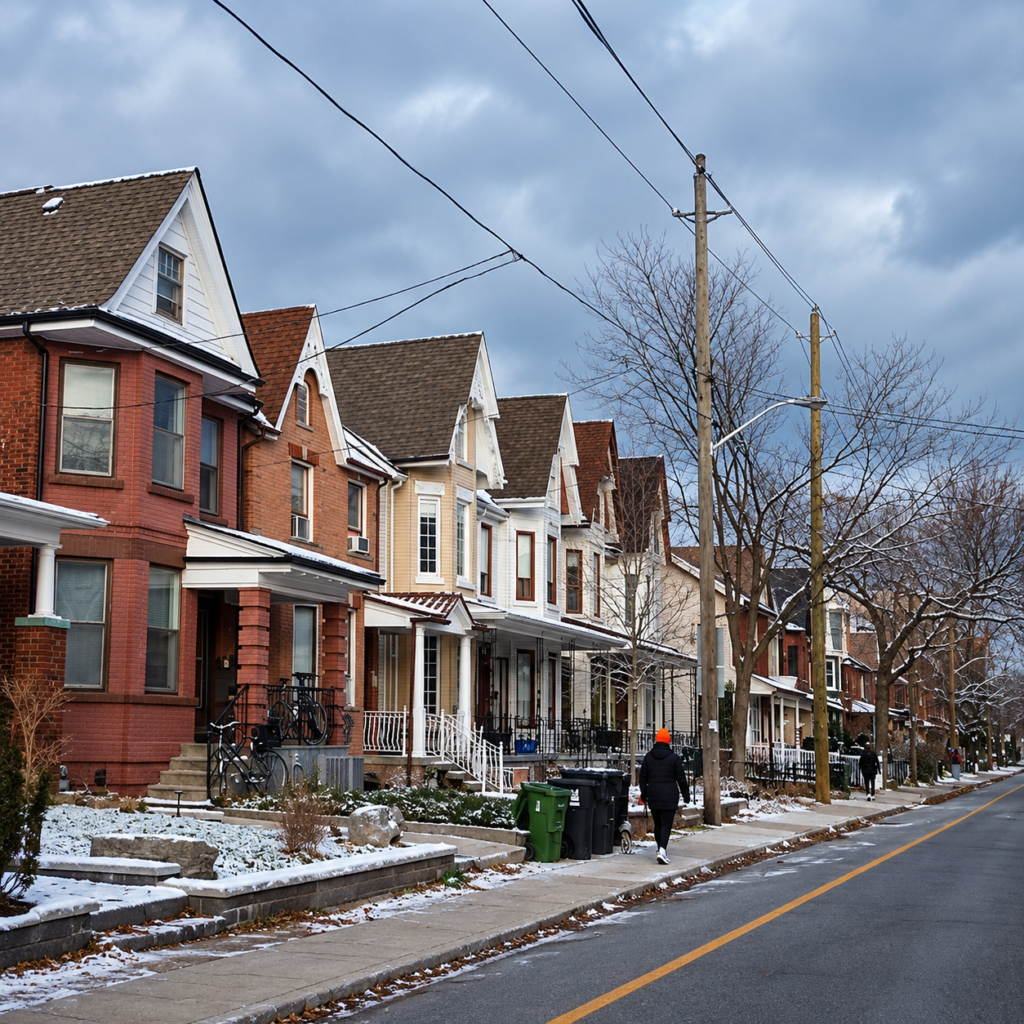
Vancouver requires a short-term rental business licence for stays under 90 consecutive days. The property must generally be the host’s principal residence, and owners or long-term tenants need to meet applicable eligibility requirements; tenants must have written landlord approval. Strata rules may also apply, and the licence number must appear in online listings. The city lists a C$1,108 annual licence fee and a C$77 application fee, so hosts should check current fees before applying.
How are short-term rentals affecting the supply of long-term rental housing in Canada?
In high-demand markets, converting homes into short-term tourist accommodation may reduce the number of properties available for long-term tenants. The extent of the impact varies by city, neighbourhood, and property type. Principal-residence restrictions and registration systems are intended in part to limit the use of entire homes as full-time short-term rentals and help preserve long-term housing supply.
What licences, registrations and taxes may short-term rental hosts need to comply with?
Depending on the location, hosts may need municipal registration, a business licence, zoning approval, and permission under their lease or condominium rules. Income earned from rentals generally must be reported for tax purposes, and GST/HST or other accommodation taxes may apply depending on the circumstances and jurisdiction. Hosts should keep records of income and expenses and consult the Canada Revenue Agency and local authorities about their specific obligations.
How are Canadian governments enforcing short-term rental regulations?
Enforcement can include registration checks, inspections, fines, licence suspensions, and action against listings that do not comply with local rules. Some municipalities require platforms or hosts to display valid registration numbers and may use listing data to identify potential violations. British Columbia also has provincial rules, while municipalities may impose additional restrictions.
What should property owners know before investing in an Airbnb business in Canada?
Investors should confirm that the property is legally eligible for short-term rentals before purchasing it. They should calculate realistic income after cleaning, platform fees, utilities, insurance, taxes, maintenance, vacancies, and licence costs. A property that works financially as a long-term rental may not be legally or economically suitable for Airbnb, so owners should also consider regulatory changes and alternative rental strategies.
Final Verdict
Canada’s housing and real estate market in 2026 continues to face major challenges involving affordability, rental availability, mortgage costs, and the pace of new construction. Although some markets are experiencing lower prices and slower sales, conditions vary considerably between provinces, cities, and property types.
Long term improvements will require more housing supply, efficient development approvals, infrastructure investment, support for first time buyers, and stronger access to affordable rental housing. Buyers should carefully assess their finances, renters should understand their legal protections, and property investors must check local regulations before making decisions.
Table of Contents

Leave a Reply