
World News 2026
Introduction
Canada’s role in the world is evolving rapidly in 2026 as trade, geopolitics, security and international partnerships continue to change. Relations with the United States remain especially important, while Canada is also strengthening connections with Europe, Asia-Pacific, the Middle East, Africa and Latin America.
From tariffs and energy trade to global conflicts, NATO cooperation and trade diversification, international developments can have a direct impact on Canada’s economy, businesses and communities. This guide explores the major global relationships and foreign-policy issues shaping Canada’s position in the world in 2026.
Canada & United States
What are the latest developments in Canada-US relations?
Canada-US relations remain focused on trade, tariffs, border management, energy and continental security. The United States continues to be Canada’s most important economic partner, making bilateral relations especially important for Canadian businesses. Both countries are also dealing with changing policies that could affect trade and investment.
How are Canada-US trade and tariff disputes affecting Canada?
Tariff disputes are creating uncertainty for Canadian exporters, manufacturers and businesses that depend on cross-border supply chains. Higher tariffs can increase production costs and make Canadian products less competitive. Businesses are responding by reviewing suppliers, prices and international markets.
What are the major issues in the Canada-US economic relationship?
Major issues include tariffs, market access, energy trade, supply chains, manufacturing and investment. Canada also wants to protect its industries while maintaining access to the large U.S. market. Changes in American economic policy can have a significant impact on Canadian growth.
How are border policies affecting Canadians and cross-border trade?
Changes in border policies can affect tourism, transportation, immigration, trade and supply chains. Businesses that depend on rapid movement of goods between the two countries can be particularly sensitive to delays or new requirements. Border cooperation therefore remains an important part of the bilateral relationship.
What is happening with the Canada-US-Mexico trade agreement?
The Canada-US-Mexico trade framework remains central to North American economic relations. Its future and implementation are important for industries that rely on integrated continental supply chains. Canada continues to defend its interests while working with its North American partners.
How are energy exports shaping Canada-US relations?
Energy is one of the most important components of Canada’s relationship with the United States. Canadian oil, natural gas and electricity contribute to North American energy security. Energy trade also creates strong economic connections between Canadian provinces and U.S. states.
What are the major Canada-US security and defence issues?
Continental defence, border security, Arctic security and NATO cooperation are major areas of interest. Canada and the United States also cooperate through North American defence arrangements. Growing attention to the Arctic has increased the strategic importance of Canada’s northern territory.
How could changing US policies affect Canada’s economy and businesses?
Changes in U.S. tariffs, taxes, trade rules or immigration policies can directly affect Canadian companies. Exporters may face higher costs or reduced demand, while changes in U.S. investment conditions can influence Canadian businesses. Diversifying trade and strengthening domestic competitiveness can help reduce these risks.
Canada & Middle East
What are the latest developments in Canada’s relations with Middle Eastern countries?
Canada maintains diplomatic, economic and people-to-people relationships with countries across the Middle East. Its priorities include regional security, humanitarian assistance, trade and diplomatic engagement. Relations vary considerably between individual countries.

What is Canada’s position on major conflicts in the Middle East?
Canada generally emphasizes international law, civilian protection, diplomacy and peaceful conflict resolution. Its specific positions can vary depending on the conflict and developments on the ground. The government also works with international partners on diplomatic and humanitarian responses.
How is Canada responding to humanitarian crises in the region?
Canada provides humanitarian assistance through international organizations and humanitarian partners. Support can include food, healthcare, emergency assistance and protection for vulnerable populations. Canada also participates in international efforts to respond to major humanitarian emergencies.
What role is Canada playing in Middle East peace and security efforts?
Canada works with international partners and diplomatic organizations to support peace, stability and security. It participates in discussions involving regional conflicts and humanitarian concerns. Canada’s role is generally based on diplomacy, international cooperation and support for international law.
How are Middle East conflicts affecting Canadians and Canadian businesses?
Conflicts can affect Canadians living, working or travelling in the region and may create consular and evacuation concerns. Businesses can also face disruptions to transportation, investment and supply chains. Higher geopolitical risk can influence global markets and commodity prices.
How could Middle East instability affect Canada’s energy prices and economy?
Instability in major energy-producing regions can influence global oil and natural-gas prices. Higher energy prices can benefit Canadian energy producers but increase costs for transportation, businesses and consumers. The overall economic impact therefore depends on the scale and duration of the disruption.
What are Canada’s diplomatic and humanitarian priorities in the region?
Canada’s priorities include protecting civilians, supporting humanitarian assistance, encouraging diplomatic solutions and maintaining regional stability. It also works with international partners to respond to crises. Consular support for Canadians affected by regional conflicts remains another important responsibility.
How are Canada’s relations with Gulf countries developing?
Canada maintains economic and diplomatic relationships with Gulf states in areas including trade, investment, energy, education and aviation. Gulf economies can provide opportunities for Canadian businesses seeking international markets. Cooperation also extends to regional security and diplomatic issues.
Canada & Asia-Pacific
What are the latest developments in Canada’s relations with Asia-Pacific countries?
Canada is strengthening relationships across the Asia-Pacific region through trade, diplomacy, security cooperation and people-to-people connections. The region is important for Canada’s economic diversification strategy. Countries such as Japan, South Korea, India and Australia are particularly significant partners.
How is Canada strengthening its Indo-Pacific strategy?
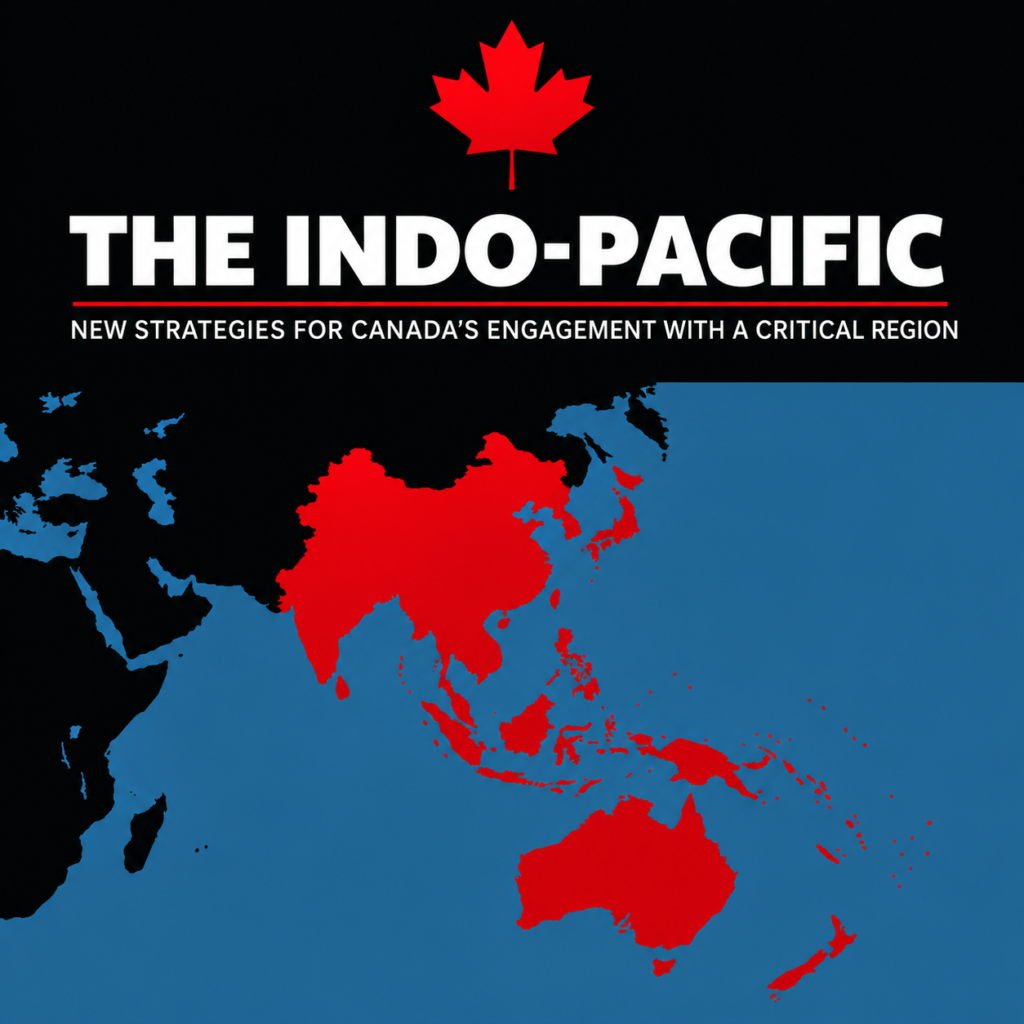
Canada’s Indo-Pacific approach focuses on expanding trade, strengthening diplomatic relationships and improving security cooperation. It also seeks greater engagement with regional institutions and partners. The strategy is designed to increase Canada’s long-term economic and strategic presence in the region.
What are the major issues in Canada-China relations?
Canada or China relations remain complicated by trade, diplomatic disagreements, security concerns and people-to-people ties. China is an important global economic power and a major market, but Canada also has concerns involving national security and international interference. Managing these competing interests remains challenging.
How are Canada-India relations developing?
Canada-India relations involve important connections through trade, education, immigration and the large Indian diaspora in Canada. At the same time, diplomatic and security disagreements have created challenges in the relationship. Future cooperation will depend on progress in diplomatic engagement and mutual economic interests.
What role do Japan and South Korea play in Canada’s Indo-Pacific strategy?
Japan and South Korea are important economic and security partners for Canada. Both countries have advanced economies, strong technology sectors and significant roles in regional security. Cooperation can include trade, energy, critical minerals, technology and defence.
How is Canada expanding trade with Asia-Pacific markets?
Canada is seeking to increase exports and investment relationships across the region. Canadian strengths in agriculture, energy, critical minerals, technology and natural resources create potential opportunities. Trade diversification can also reduce Canada’s dependence on the U.S. market.
What are Canada’s security and defence priorities in the Indo-Pacific?
Canada’s priorities include maintaining a regional military presence, protecting international rules and strengthening cooperation with partners. Maritime security, freedom of navigation and regional stability are important concerns. Canada also works with allies on broader Indo-Pacific security issues.
How could tensions in the Asia-Pacific region affect Canada?
Regional tensions can affect global trade, supply chains, energy markets and investment. Disruptions involving major economies could increase costs for Canadian businesses and consumers. Canada could also face pressure to balance its economic relationships with strategic and security considerations.
Canada & Europe
What are the latest developments in Canada-Europe relations?
Canada and Europe maintain close relationships based on trade, security, diplomacy and shared democratic values. The European Union is an important Canadian economic partner. Cooperation has expanded in areas including defence, energy, climate policy and technology.
How is Canada’s relationship with the European Union developing?
Canada and the European Union cooperate through diplomatic, economic and institutional relationships. Trade remains an important part of the partnership, while both sides also work together on international security and climate-related issues. The relationship provides Canadian businesses with access to a major international market.
What role does CETA play in Canada-Europe trade?
The Canada-European Union Comprehensive Economic and Trade Agreement, known as CETA, is designed to reduce trade barriers and improve market access. It creates opportunities for Canadian exporters and European companies. Agriculture, manufacturing, services and investment are among the areas affected by the agreement.
How are Canada and European countries cooperating on defence and security?
Canada works closely with European allies through NATO and other security partnerships. Cooperation includes military exercises, defence planning and support for European security. Canada also contributes to broader NATO efforts to strengthen collective defence.
What is Canada’s role in supporting Ukraine?
Canada has provided diplomatic, humanitarian, economic and military support to Ukraine. It works with European and other international partners in response to Russia’s invasion. Support for Ukraine remains an important component of Canada’s European and international security policy.
How are Canada and Europe working together on energy and climate issues?
Canada and European partners are cooperating on energy security, clean technology and climate policy. Canada’s natural resources and critical minerals can support European supply-chain diversification. Cooperation on clean energy and emissions reduction is also becoming increasingly important.
What opportunities exist for Canadian businesses in European markets?
European markets offer opportunities in agriculture, technology, energy, clean technology, financial services and advanced manufacturing. Trade agreements can make it easier for eligible Canadian businesses to access European customers. Companies that understand European regulations and consumer demand can benefit from greater market access.
How could European geopolitical developments affect Canada?
European conflicts and security developments can influence Canada’s defence commitments, energy markets and international alliances. Disruptions to European trade can also affect global supply chains. Canada is closely connected to European countries through NATO and broader diplomatic relationships.
Canada & Africa
What are the latest developments in Canada-Africa relations?
Canada maintains relationships with African countries through diplomacy, development assistance, trade, education and investment. The continent is increasingly important because of its growing populations, markets and natural resources. Canada is also interested in strengthening partnerships with African governments and institutions.
How is Canada expanding trade and investment with African countries?
Canada is exploring opportunities in areas such as mining, agriculture, energy, infrastructure and technology. African markets offer potential opportunities for Canadian companies looking to diversify internationally. Stronger commercial relationships can support both Canadian investment and African economic development.
What role does Canada play in African development and humanitarian assistance?
Canada provides development and humanitarian assistance through government programs and international organizations. Support can focus on health, education, food security, gender equality and economic development. Humanitarian assistance is also important during conflicts and natural disasters.
Which African countries are important economic partners for Canada?
Canada has important relationships with countries including South Africa, Egypt, Nigeria, Kenya and Morocco, although the nature of each relationship differs. Trade, mining, education and investment are common areas of cooperation. The importance of individual countries can change as economic relationships develop.
How is Canada supporting peace and security initiatives in Africa?
Canada supports international peace and security efforts through diplomacy, development assistance and cooperation with international organizations. It can also contribute to peacekeeping and capacity building initiatives. The specific level of involvement depends on the country and regional security situation.
What opportunities exist for Canadian mining and energy companies in Africa?
Africa has significant mineral and energy resources that can create opportunities for Canadian companies. Canadian firms have longstanding experience in mining and resource development. However, businesses must carefully consider political, environmental, regulatory and community-related risks.
How are education and immigration strengthening Canada-Africa connections?
Education creates long-term relationships between Canadian institutions and African students and professionals. Immigration and diaspora communities also strengthen business, cultural and family connections. These people-to-people relationships can contribute to trade, investment and knowledge exchange.
What are Canada’s priorities under its Africa strategy?
Canada’s priorities include sustainable development, economic partnerships, peace and security, education and stronger diplomatic relationships. Canada also seeks opportunities for responsible investment and trade. Cooperation is increasingly focused on building long-term partnerships rather than only providing assistance.
Canada & Latin America
What are the latest developments in Canada-Latin America relations?
Canada maintains extensive diplomatic and economic relationships across Latin America and the Caribbean. Trade, investment, mining, energy, migration and regional security are important areas of cooperation. Canada is also seeking stronger economic relationships as it diversifies its international partnerships.
How are Canada and Mexico working together on trade and economic issues?
Canada and Mexico are closely connected through North American trade and supply chains. Both countries have strong economic relationships with the United States and face common questions around tariffs and continental trade. Cooperation between Canada and Mexico is therefore important for North American economic stability.
What role does Latin America play in Canada’s trade diversification strategy?
Latin America offers Canada additional markets for exports, investment and business expansion. Stronger relationships in the region can help Canadian companies reduce reliance on individual markets. Agriculture, mining, energy, financial services and technology offer potential areas for growth.
How are Canadian mining and energy companies expanding in Latin America?
Canadian companies have a significant presence in several Latin American resource markets. Mining is particularly important because Canada has considerable expertise and investment in the sector. Energy companies also explore opportunities across the region, although political, environmental and regulatory conditions must be carefully assessed.
What are Canada’s major diplomatic priorities in the region?
Canada focuses on trade, democratic governance, economic development, human rights, security and regional cooperation. Diplomatic engagement also supports Canadian citizens and businesses operating in Latin America. Canada works with regional governments and organizations on shared challenges.
How is Canada responding to political and security challenges in Latin America?
Canada generally supports democratic institutions, peaceful political processes and regional cooperation. It can use diplomacy, development assistance and international partnerships to respond to instability. Organized crime, migration and political crises can also affect Canada’s regional priorities.
How are immigration and people-to-people connections shaping Canada-Latin America relations?
Immigration creates strong family, cultural, educational and business connections between Canada and Latin American countries. Students, workers and entrepreneurs contribute to bilateral relationships. These connections can also encourage tourism, investment and trade.
What new trade and investment opportunities are emerging for Canadian businesses?
Opportunities are developing in mining, critical minerals, agriculture, renewable energy, infrastructure, technology and financial services. Businesses can benefit from growing consumer markets and resource development. However, companies need to understand local regulations, political conditions and market risks before expanding.
Canada & International Relations
What are Canada’s major foreign-policy priorities in 2026?
Canada’s major priorities include strengthening relationships with the United States and other allies, expanding trade diversification, supporting international security and protecting Canadian interests abroad. The Indo-Pacific, Europe, Arctic and North American relationships are particularly important. Humanitarian assistance and international cooperation also remain significant.
How is Canada strengthening its position in the global economy?
Canada is seeking to diversify trade and investment beyond its traditional markets. The country has opportunities in energy, agriculture, critical minerals, technology and advanced manufacturing. Stronger international partnerships can help Canadian companies access new customers and reduce exposure to individual markets.
What role is Canada playing in the United Nations?
Canada participates in United Nations diplomatic, humanitarian, development and peace-and-security initiatives. It works with other member states on international challenges including climate change, humanitarian crises and global security. Canada’s UN engagement forms part of its broader commitment to multilateral cooperation.
How is Canada working with NATO and other international security partners?
Canada remains an active NATO member and works with allies on collective defence and international security. Defence cooperation includes military deployments, exercises and strategic planning. Canada’s role is particularly important in areas such as European security, Arctic defence and North American continental security.
How is Canada diversifying its international trade relationships?
Canada is developing stronger relationships across Europe, Asia-Pacific, Latin America, Africa and other international markets. The goal is to create more opportunities for Canadian exporters and reduce excessive dependence on one trading partner. Energy, agriculture, technology and critical minerals are important areas for diversification.
What role does Canada play in global peace, security and humanitarian efforts?
Canada contributes through diplomacy, humanitarian assistance, development programs and international security partnerships. It works with allies and international organizations to respond to conflicts and humanitarian emergencies. Canada’s contribution varies depending on the crisis and available resources.
How is Canada responding to major geopolitical changes around the world?
Canada is strengthening relationships with allies while trying to protect its economic and security interests. Rising geopolitical competition, trade disputes, conflicts and changes in global supply chains are influencing Canadian foreign policy. Canada is increasingly focused on resilience, diversification and strategic partnerships.
What are the biggest international issues that could affect Canada?
The biggest issues include Canada-US trade tensions, global conflicts, energy prices, China-related geopolitical competition, Indo-Pacific security, European security and disruptions to international supply chains. Changes in global markets can also affect Canadian inflation, exports and investment. Canada’s ability to diversify its partnerships will be important in managing these risks.
Final Verdict
Canada’s global position in 2026 is being shaped by changing trade relationships, geopolitical tensions, international security and the need for greater economic diversification. Strong partnerships with the United States and other global regions will remain essential as Canada works to protect its economy, security and international interests. Staying adaptable and building diverse partnerships will be key to Canada’s success in an increasingly uncertain world.
Table of Contents

Leave a Reply