
Canada Arts & Entertainment
Introduction
Canada’s arts and entertainment scene in October 2026 reflects the country’s diverse cultural identity, bringing together music, film and television, literature, visual arts, theatre, performance and digital culture. Across major cities and communities, October offers a particularly active calendar of concerts, literary festivals, museum exhibitions, theatre productions and multidisciplinary cultural events.
The sector is also being shaped by significant public investment and changing digital audiences. Federal support in 2026 includes funding for the Canada Music Fund, Telefilm Canada, the Canada Media Fund, the National Film Board and the Canada Council for the Arts, alongside broader support for Canada’s audio and audiovisual industries.
At the same time, Canadian artists and creators continue to reflect the country’s regional, linguistic, Indigenous and multicultural diversity. From emerging musicians and writers to filmmakers, visual artists, performers and digital creators, Canada’s cultural landscape continues to evolve while reaching audiences both nationally and internationally.
Canada Arts & Entertainment:
Canada’s arts and entertainment sector continues to combine music, film, television, literature, visual arts, theatre and digital culture. In 2026, federal support includes new funding for the Canada Music Fund, Telefilm Canada, the Canada Media Fund, the National Film Board and the Canada Council for the Arts. Canadian Heritage has also announced $600 million per year in immediate support for the country’s audio and audiovisual sectors.
October is also a particularly active month for Canadian cultural events, with literary festivals, concerts, theatre productions, museum exhibitions and multidisciplinary arts festivals taking place across major cities and communities.
Music:
What are the major developments in Canada’s music industry in October 2026?
Canada’s music sector is entering the final part of 2026 with continued emphasis on Canadian artists, live performance and digital audiences. Budget 2025 provided $48 million over three years beginning in 2026–27 for the Canada Music Fund, intended to strengthen artist careers and the competitiveness of Canada’s music sector. Canadian Heritage also identifies global digital platforms and international stages as important opportunities for Canadian musicians.
Who are some popular Canadian music artists and musicians?
Canada has produced internationally recognized artists across pop, rock, hip-hop, country, folk and other genres. Artists such as Drake, The Weeknd, Justin Bieber, Céline Dion, Shawn Mendes, Tate McRae, Alessia Cara, Michael Bublé, Shania Twain and Alanis Morissette have contributed to Canada’s international music profile. At the same time, Canada’s music scene includes thousands of independent and emerging artists working across English, French and Indigenous music communities.
What are the major Canadian music festivals and live concerts?
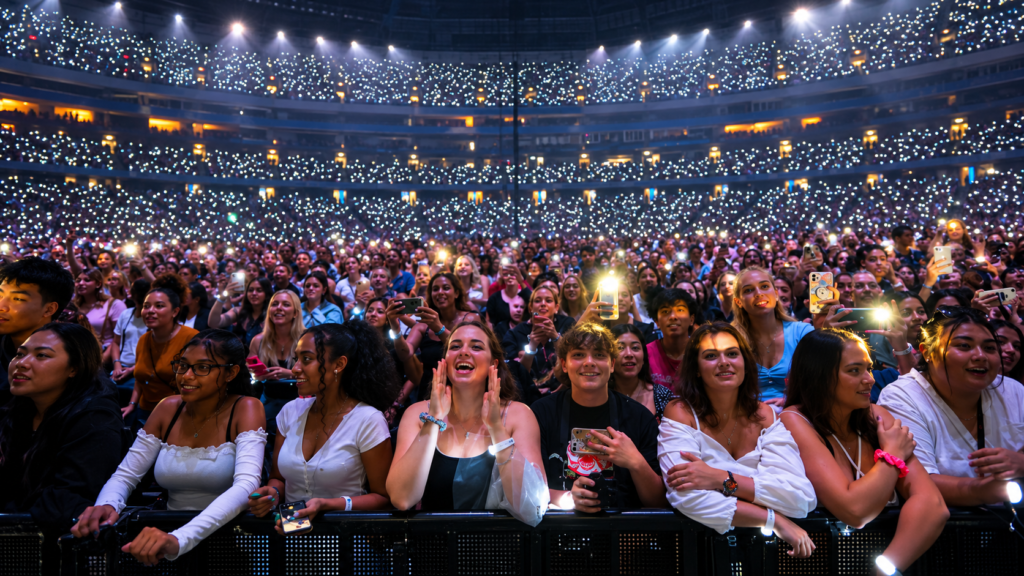
October features concerts and cultural festivals across Canadian cities. Montréal’s October calendar, for example, includes major performances at venues such as the Bell Centre, MTELUS and Théâtre Beanfield, alongside local artists and international touring acts. The Algoma Fall Festival in Sault Ste. Marie runs from October 8–27 and combines music, theatre, dance, visual arts and other cultural programming, with artists including Susan Aglukark and William Prince.
What is the music scene like in Toronto, Vancouver and Montreal?
Toronto, Vancouver and Montréal remain three of Canada’s major music centres. Toronto has large concert venues, independent clubs and a strong multicultural music community. Vancouver combines local artists with touring productions and a Pacific-facing cultural scene. Montréal has particularly strong French-language, indie, electronic, jazz and alternative music communities, with October programming spread across venues throughout the city.
Who are some emerging Canadian artists?
Canada’s emerging music scene includes artists working across alternative, hip-hop, R&B, folk, country, electronic, Indigenous and multilingual music. New artists increasingly use streaming services, social media, independent labels and live performances to build audiences before reaching larger national and international markets. Government programs such as the Canada Music Fund are designed in part to help Canadian-owned music companies invest in artists and reach audiences.
How is Canada’s streaming music industry changing?
Streaming has become an important way for Canadian artists to reach listeners in Canada and abroad. Music discovery increasingly occurs through digital platforms, social media and algorithm-driven recommendations. This creates opportunities for independent artists but also increases competition for attention and revenue. Canadian cultural policy is therefore
What international opportunities are available to Canadian musicians?
Canadian artists can reach international audiences through streaming platforms, international touring, festivals, export programs, collaborations and digital promotion. Canada’s cultural policy specifically aims to enhance the ability of Canadian artists to compete for audiences on global digital platforms and stages around the world.
How are Indigenous and multicultural music influencing Canada’s music scene?
Indigenous and multicultural artists contribute a wide range of languages, traditions, musical forms and contemporary influences. Indigenous music is increasingly visible through festivals, recordings, live performances and cultural programming. Canada’s multicultural population also contributes music from many cultural communities, helping Canadian cities develop diverse music scenes rather than a single national sound.
Film & TV
What are the major developments in Canada’s film and television industry in October 2026?
Canada’s screen sector is receiving significant public support in 2026. Budget 2025 allocated $150 million over three years to Telefilm Canada, $127.5 million over three years to the Canada Media Fund, and $26.1 million over three years to the National Film Board. Canadian Heritage is also working on modernizing policy frameworks for the screen sector.

What major films and TV productions are being made in Canada?
Canada remains an important production location for domestic and international film and television. Toronto, Vancouver and Montréal provide production crews, studios, locations, post-production facilities and established creative industries. Telefilm Canada continues to invest in Canadian productions and international co-productions, while Canada’s broader audiovisual support system helps finance Canadian stories.
Why are Toronto, Vancouver and Montreal important to Canada’s film industry?
Toronto has a large production ecosystem, studio facilities and a major television and film workforce. Vancouver is a major North American production centre because of its crews, infrastructure and range of locations. Montréal offers French-language production capacity, visual-effects expertise, animation and strong connections with Quebec’s cultural sector. Together, these cities form important parts of Canada’s screen economy.
What major Canadian film festivals and events are taking place?
Canadian film culture includes major festivals in Toronto, Vancouver, Montréal and other cities. Festival programming connects Canadian filmmakers with audiences, distributors and international industry representatives. Montréal’s October cultural calendar also includes film-related programming alongside music, theatre and other festivals.
What major projects are Canadian actors and directors working on?
Canadian performers and filmmakers continue to work across domestic productions, international productions and streaming projects. Canada’s industry includes established actors, directors, writers, cinematographers, animators and production specialists. Telefilm Canada’s international strategy also supports Canadian participation in international markets and co-productions.
How do Canada’s film-production tax credits support the industry?
Federal and provincial film and television tax-credit programs reduce eligible production costs and encourage producers to undertake projects in Canada. These programs also help sustain Canadian production companies, crews and related businesses. Canadian Heritage continues to list Canadian Film or Video Production Tax Credits as part of its cultural-sector policy framework.
What is the current trend in Canadian streaming productions?
Streaming has expanded the potential audience for Canadian productions while changing how content is financed, distributed and discovered. Canada’s cultural policy is adapting to this environment by focusing on audiovisual content across multiple platforms. The Canada Media Fund supports Canadian audiovisual content across platforms, while the government has announced additional support for the sector.
How is Canadian film and television reaching international audiences?
Canadian productions reach international audiences through streaming services, theatrical distribution, international festivals, sales agents and co-productions. Telefilm Canada actively promotes Canadian cinema internationally and supports participation in global markets. This helps Canadian filmmakers develop relationships with international producers, distributors and audiences.
Books & Literature
What are the major developments in Canadian literature in October 2026?
October is one of Canada’s busiest periods for literary programming. The calendar includes Kingston WritersFest, Edmonton’s LitFest, Vancouver Writers Fest, Ottawa International Writers Festival, Victoria Festival of Authors, Wordstock Sudbury and the Toronto International Festival of Authors.
What new Canadian books are important in 2026?
Canadian publishing in 2026 includes fiction, nonfiction, poetry, memoir, Indigenous literature, children’s books and works by emerging writers. Rather than one dominant genre, Canadian literature continues to reflect different regional, linguistic and cultural experiences. Major literary festivals provide opportunities for readers to discover newly published Canadian authors and books.
What are the major literary events and book festivals in October?
Several major festivals take place during the month. Vancouver Writers Fest runs October 18–25 with more than 150 local and international authors across more than 90 events. Toronto International Festival of Authors runs October 28–November 1 at Victoria University and features more than 100 events. Wordstock Sudbury takes place October 16–17.
What are the current trends in Canadian fiction and nonfiction?
Canadian publishing continues to cover identity, migration, Indigenous experiences, family, history, social change, climate, politics, culture and personal experience. Fiction remains diverse in genre, while nonfiction includes memoir, biography, history, science and social commentary. Literary festivals increasingly bring writers and readers together through conversations, readings and workshops.
How are Indigenous Canadian authors influencing literature?
Indigenous writers have become an important part of contemporary Canadian literature. Their work contributes First Nations, Inuit and Métis perspectives to fiction, poetry, memoir, children’s literature and nonfiction. Literary festivals also increasingly feature Indigenous authors and discussions about history, identity, culture and reconciliation.
What is the current status of Canada’s publishing industry?
Canada’s publishing sector includes large publishers, independent presses, university presses and small literary publishers. The federal Canada Book Fund supports Canadian publishers and organizations involved in the production and promotion of Canadian books. Canadian Heritage identifies the fund as part of its broader support for Canadian stories and voices.
What developments are taking place in Canadian libraries and reading culture?
Libraries continue to function as important community spaces for books, literacy, education, digital access and cultural programming. Literary festivals also extend reading culture beyond libraries and bookstores by creating opportunities for direct interaction between authors and readers. Canada’s major fall literary calendar demonstrates continued demand for author talks, readings and workshops.
What opportunities exist for young Canadian writers and emerging authors?
Emerging writers can participate in literary festivals, writing workshops, contests, readings, independent publishing and mentorship programs. Events such as writers’ festivals also create opportunities to meet publishers, established authors and other writers. Canada’s literary ecosystem includes regional festivals, universities, libraries, small presses and national cultural organizations.
Visual Arts
What are the major developments in Canada’s visual-arts scene in October 2026?
Canada’s visual-arts sector continues to feature contemporary art, Indigenous art, photography, sculpture, installation and multimedia work. The Canada Council for the Arts continues to support professional artists and arts organizations, while Canadian Heritage’s 2026–27 plans include work related to visual-arts policy and artist support.

What major art exhibitions are taking place in Canada?
October includes major exhibitions in Toronto, Montréal, Vancouver and other communities. Montréal’s Museum of Fine Arts is presenting Chiharu Shiota: The Soul Trembles, while Toronto’s MOCA is reopening October 4 with its fall program featuring artists including Bharti Kher and Delcy Morelos. Vancouver Art Gallery is presenting exhibitions including Vancouver Now!, Future Geographies and SANCTUARY.
What new developments are taking place in the Toronto, Montreal and Vancouver art scenes?
Toronto’s contemporary scene includes major museum and gallery programming, particularly at institutions such as MOCA and the Art Gallery of Ontario. Montréal combines contemporary art with Quebec and Canadian collections, Indigenous art and international exhibitions. Vancouver has a strong contemporary and Pacific-facing art scene, with exhibitions exploring climate, nature, identity and contemporary artistic practice.
What are the major museum and gallery exhibitions in October?
Several exhibitions extend through October. At the Montréal Museum of Fine Arts, Rising Suns runs until October 11 and Ready, Set, Go! Sports Inspire Art until October 12, while Allison Katz’s Jeu d’esprit begins October 9. At MOCA Toronto, Bharti Kher’s Bones and Delcy Morelos’ Ombligo open October 4.
What contemporary themes are Canadian artists exploring?
Canadian artists work across themes such as identity, environment, climate change, colonial history, Indigenous perspectives, migration, community, technology and the relationship between people and nature. Vancouver Art Gallery’s Future Geographies, for example, explicitly examines art in the context of climate change.
What role does Indigenous art play in Canada’s visual-arts scene?
Indigenous art is a major part of Canada’s cultural landscape, represented in museums, galleries, festivals and public collections. Institutions increasingly present First Nations, Inuit and Métis artists in both historical and contemporary contexts. Canadian Heritage also maintains funding programs supporting Indigenous cultural heritage, while the Canada Council supports professional Indigenous artists and organizations.
What is the current trend in Canada’s art market?
Canada’s art market includes established galleries, auction houses, independent artists, museums, collectors and international buyers. Contemporary and Indigenous art remain important areas of interest, while digital technologies continue to influence how artists present and promote their work. Canada’s cultural institutions also play a role in developing audiences and supporting artists.
How do Canadian galleries and museums support new artists?
They support artists through exhibitions, commissions, residencies, acquisitions, public programs, mentorship and professional opportunities. The Canada Council for the Arts also provides funding and awards for professional artists and arts organizations. The 2026 Governor General’s Awards in Visual and Media Arts provide up to eight annual awards of $25,000 each, with the nomination deadline on October 7, 2026.
Theatre & Performance
What major theatre productions are taking place in Canada in October 2026?
October’s theatre calendar includes touring musicals, plays, comedy, dance, opera and experimental performance. Montréal’s schedule includes Mamma Mia! from October 13–18, Wonderful Joe beginning October 13, and several dance and theatre productions. Toronto’s calendar includes touring productions and local theatre projects throughout the month.
What major theatre performances are taking place in Toronto and Montreal?
Toronto’s October program includes productions such as To a Flame, a world premiere presented by Nightwood Theatre through October 4, while DANCER: A Musical in Ten Furlongs runs at the Terminal Theatre beginning October 6. Montréal has an extensive performing-arts calendar, including Mamma Mia!, The Secret Chord, Wonderful Joe and several dance productions.
What are the major Canadian performing-arts events in October?
Canadian performing arts in October include multidisciplinary festivals combining music, theatre, dance and visual arts. The Algoma Fall Festival, for example, runs October 8–27 and includes music, theatre, dance, visual arts and storytelling. Major cities also host theatre seasons, concerts, dance performances and comedy throughout the month.
What challenges does Canada’s theatre industry face?
Canadian theatre organizations face challenges including production costs, venue expenses, audience development, artist compensation and the changing economics of live entertainment. Smaller organizations can also have difficulty maintaining stable revenue between productions. Public funding and ticket revenue therefore remain important components of the performing-arts ecosystem.
What major stage projects involve Canadian actors and performers?
Canadian performers work across theatre, musical theatre, dance, comedy, opera and multidisciplinary performance. October programming demonstrates the range of opportunities, from new Canadian plays and musicals to international touring productions featuring Canadian performers and creative teams.
How is Indigenous theatre influencing Canadian performing arts?
Indigenous theatre brings First Nations, Inuit and Métis stories, languages, cultural knowledge and contemporary experiences to Canadian stages. Indigenous-led productions can also explore themes of identity, history, community and reconciliation. Federal cultural programs increasingly support Indigenous-led storytelling and cultural organizations.
How popular is musical theatre in Canada?
Musical theatre has a significant audience across Canada’s major cities and regional theatre communities. Touring productions, local productions and large professional theatre companies attract audiences throughout the year. Montréal’s October calendar, for example, includes Mamma Mia! at Salle Wilfrid-Pelletier from October 13–18.
How do Canadian performing-arts organizations support artists?
Organizations support performers through paid productions, auditions, training, workshops, commissions, touring opportunities and professional development. Federal programs such as the Canada Arts Presentation Fund provide support for professionally presented arts festivals and performing-arts series. Budget 2025 allocated $46.5 million over three years starting in 2026–27 for this fund.
Celebrity & Pop Culture
What are the major developments in Canada’s entertainment world in October 2026?
Canadian entertainment remains highly active across music, film, television, comedy, theatre and digital media. Toronto, Montréal and Vancouver continue to host major concerts and performances, while Canadian artists participate in international productions and tours. The growth of streaming and social platforms is also changing how Canadian creators build audiences.
What major projects involve Canadian actors, musicians and entertainers?
Canadian talent continues to participate in domestic productions as well as major international projects. Musicians are touring Canadian venues, actors are working across film and television, and performers are appearing in theatre and comedy productions. October’s Toronto and Montréal calendars demonstrate the combination of local talent and international touring artists.
Who are some emerging public figures in Canada’s entertainment industry?
Emerging Canadian public figures can come from music, acting, comedy, digital content, fashion and visual arts. Social media has lowered some barriers to discovery, allowing creators to build audiences before receiving traditional television, record-label or film-industry opportunities.
What role do Canadian celebrities play in film, television and music?
Canadian celebrities can contribute as performers, producers, creators, entrepreneurs and cultural ambassadors. Internationally successful Canadian musicians and actors also increase global visibility for Canada’s entertainment industry. At the domestic level, established performers can help generate audiences for Canadian productions, festivals and live events.
How is social media influencing Canadian pop culture?
Social platforms have changed how Canadians discover music, entertainment, fashion and creators. Short-form video can rapidly increase the visibility of songs, performers and online personalities, while creators can communicate directly with audiences without relying exclusively on traditional media. This has also created new challenges around monetization, copyright and audience competition.
What are current Canadian fashion and entertainment trends?
Canadian entertainment trends increasingly combine streetwear, music culture, digital creators, multicultural influences and local identity. Major cities such as Toronto, Montréal and Vancouver each contribute different styles, while social media helps trends move rapidly between Canadian communities and international audiences.
How do Toronto, Vancouver and Montreal shape Canadian pop culture?
Toronto has a large entertainment, music, film and digital-media ecosystem. Vancouver combines film and television production with music, fashion and Pacific cultural influences. Montréal contributes strong French-language entertainment, music, comedy, fashion and visual arts. Together, the three cities have a major influence on Canada’s contemporary cultural identity.

How are Canadian celebrities and creators participating internationally?
Canadian entertainers participate internationally through global tours, streaming platforms, film and television productions, international festivals, fashion events and digital collaborations. Canada’s cultural-support system also aims to help Canadian artists compete internationally, particularly in music and audiovisual industries.
Final Verdict
Canada’s arts and entertainment sector in 2026 combines strong live events, growing digital audiences, diverse cultural voices and substantial public support. Music, film and television are receiving targeted federal investments, while literature, visual arts and theatre continue to attract audiences through festivals, museums, galleries and live performances.
October is particularly active, with literary festivals in cities including Vancouver, Edmonton, Kingston and Toronto; major visual-art exhibitions in Toronto, Montréal and Vancouver; and extensive music and theatre programming across the country. Indigenous artists and multicultural creators are also an increasingly visible part of Canada’s cultural landscape.
Table of Contents

Leave a Reply